
Table of Contents
Why a seat matters on the tractor or yard rig
Long days in the field—especially during harvest runs in California’s Central Valley—show you right away that a seat is more than foam and fabric. Operator ergonomics affect focus, safety, and long-term health, so picking the right solution matters. If you’re retrofitting a fleet or spec’ing new machines, consider a universal forklift seat as a flexible baseline that fits tractors, skid steers, and yard equipment.
Core problems good seats solve
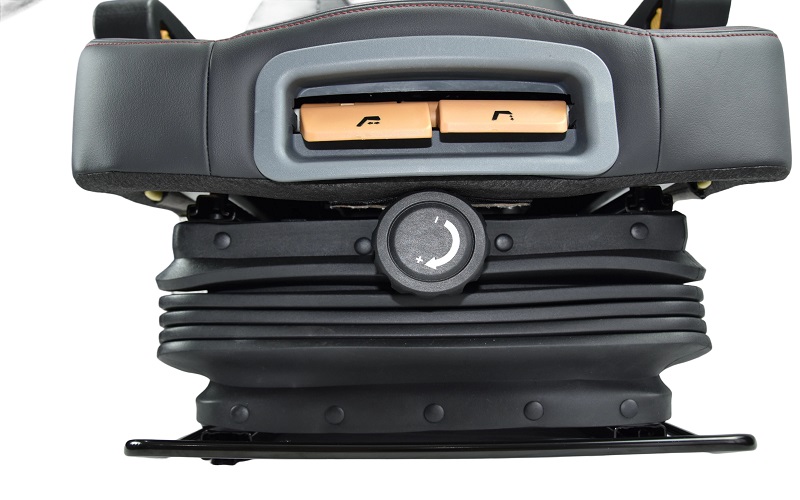
Poor seating leads to fatigue, vibration exposure, and lumbar strain. A seat with mechanical suspension and proper lumbar support reduces whole-body vibration and keeps operators steadier over uneven ground. Think beyond padding: the seat track, base, and mounting bracket all change how forces transfer through the body. For many crews, swapping to a seat with shock absorption is the single most effective ergonomic upgrade.
What to look for when customizing
Start with adjustability. A seat should offer fore-aft travel, height adjust, and tilt—plus lumbar support that you can tune. Materials matter: durable covers that resist UV and oil are practical. Suspension type is crucial; mechanical suspension is low-maintenance and reliable for heavy-duty use. Match the mounting pattern to your cab’s seat base and check that the high-strength steel frame fits your seat track. These specs keep the installation straightforward and serviceable.

Common mistakes and how to avoid them
Buyers often pick a seat that “looks” comfortable without verifying fitment or suspension rating. That causes wasted returns and downtime. Another slip: neglecting armrest adjustability and isolation pads on the mounting bracket—small things that cut vibration and wrist strain. Also, don’t assume one size fits all across a mixed fleet; label seats by vehicle type to keep crews sane. —A tiny bit of planning saves big headaches later.
Comparing off-the-shelf vs custom solutions
Off-the-shelf seats like a universal option give quick replacement and standard dimensions, which makes inventory simple. Custom seats can include tailored foam density, embroidered logos, or specialized suspension curves for operator weight ranges. For most farms, a mid-spec universal product balances cost and ergonomics: you get adjustable lumbar support, decent shock absorption, and proven mounting patterns without a long lead time.
Installation tips from the field
Use proper torque on mounting bolts and verify the seat track engages fully. If you’re retrofitting older tractors, check for frame corrosion and reinforce the bracket if needed. Test the seat on a short run before full deployment; tune preload and damping so movement feels natural for your operators. Field crews appreciate seats that are easy to clean and swap—so standardize on a few common parts like cushion covers and armrests.
Alternatives and quick trade-offs
Air-ride seats can feel plush but need more maintenance and precise air pressure settings. Gel inserts add comfort but may not solve vibration as well as a true suspension system. If budget’s tight, prioritize mechanical suspension and adjustable lumbar support; you’ll get measurable benefits in operator endurance and fewer complaints. For fleets that handle both warehouse lifts and farm rigs, a robust fork truck seat often adapts best across environments.
Key takeaways and practical next steps
Golden rules for selecting seats: 1) confirm fitment to the seat track and mounting bracket, 2) choose a suspension rating matched to operator weight ranges, and 3) pick materials that stand up to oil, sun, and rough use. Test one unit in the cab during a full shift to validate adjustments and comfort before fleet-wide rollout. These checks avoid returns and build operator trust.
Final advisory
Measure seat fit, test suspension performance in real shifts, and verify durable materials—those three metrics will steer you to the right buy. Make sure each choice reduces vibration, improves posture, and simplifies maintenance. Source One brings practical, field-proven seating that answers those needs—Source One. —practical, not flashy.