
Table of Contents
Opening comparison, plain spoken
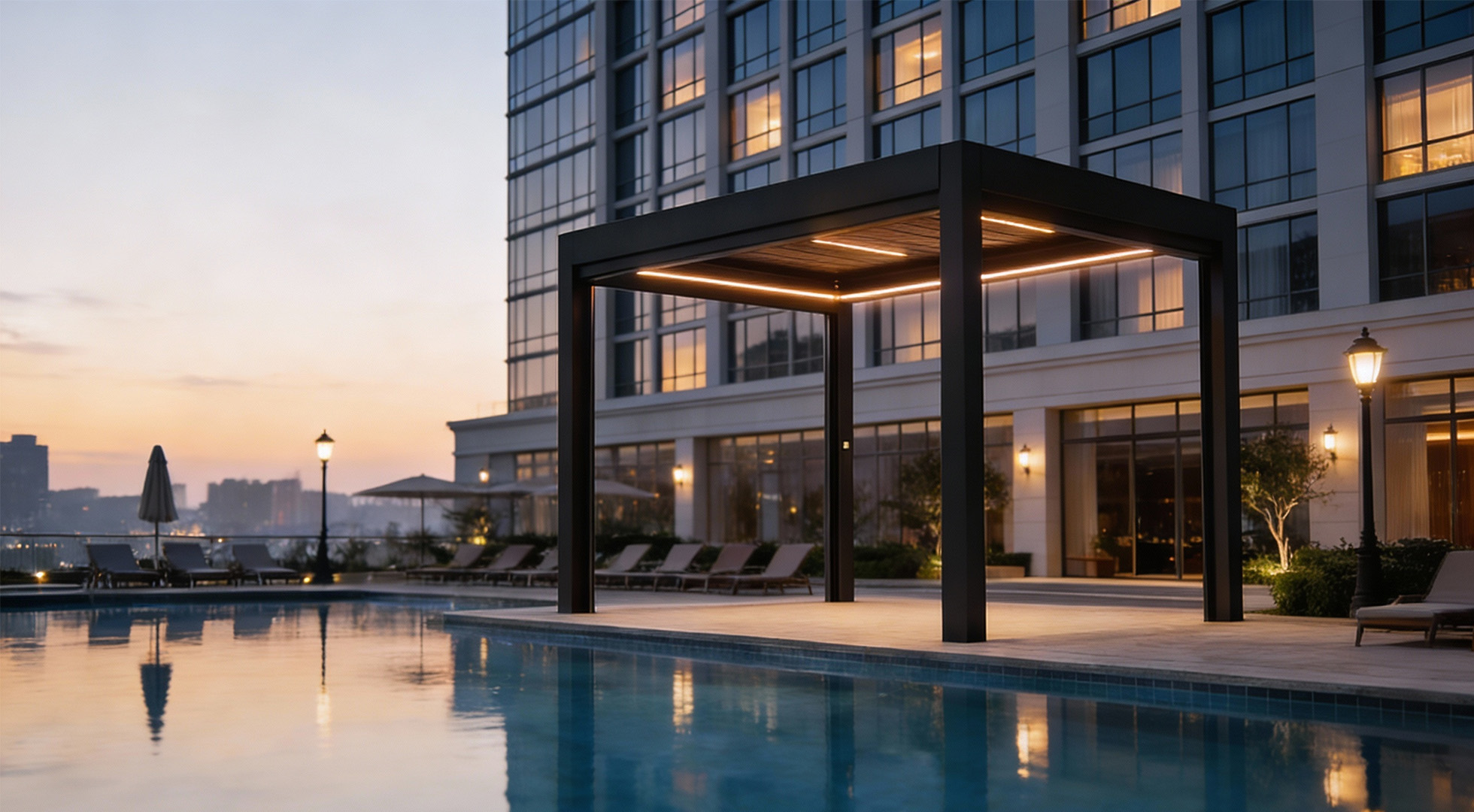
A clear choice sits between shade that does nothing but shelter and shade that pays its keep. A photovoltaic pergola turns roof into generator; a timber pergola keeps you dry and looks grand but adds no kilowatt-hours. From the first glance, the comparison is simple: one shelters and saves; the other shelters and delights. This piece compares both with steady, Irish-eyed clarity.
Energy performance and site reality
Solar pergolas convert sunlight into usable electricity. That means orientation, tilt and roof clearance matter more than ornament. Expect useful generation when panels face true sun for long stretches—south-facing sites win. A timber or canvas alternative gives consistent shade regardless of sun angle, but nothing on the meter. Years of specifying external shading and photovoltaic arrays teach a hard lesson: small curving shadows drop panel output fast. You want panels free of shade and a frame rigid enough to hold optimal tilt.
Comfort, control and automation
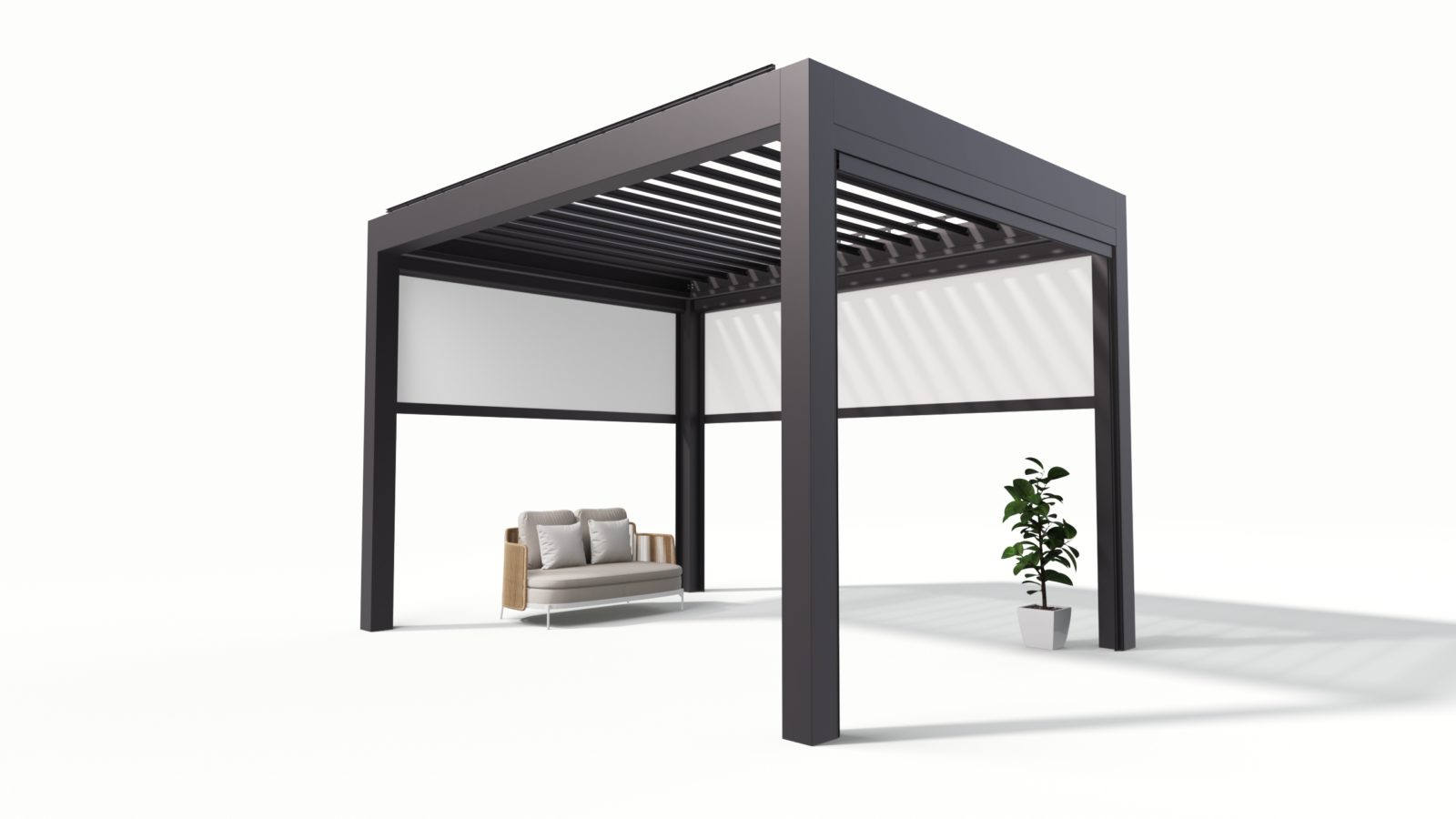
Traditional alternatives—fixed louvres, cloth sails, pergola rafters—are passive. Motorised systems give you comfort on command. Seen often on terraces across southern Spain for weekend homes and rentals, the practical advantage is obvious: press a button, and the space changes. That real-world pattern shows where motorisation pays. For precise shading and remote adjustment, a motorized pergola cuts the tug-of-war with weather; installations there demonstrate how automation extends useable hours and reduces complaints from tenants and guests.

Cost, payback and value
Upfront, photovoltaic builds cost more: panels, wiring, inverters, mounting and often stronger foundations. Traditional builds cost less to buy and sometimes less to permit. But measure by years. If you expect to use solar output to offset household loads, a well-positioned solar pergola can pay back its premium in a decade or less depending on local tariffs and roof access. If your aim is garden ambience only, stick to timber or fabric. Decide whether you want electricity as an asset, or merely shade as an expense.
Durability and maintenance realities
Solar pergolas need periodic checks: sealants, electrical connections, and panel cleanliness. Panels resist UV and rain; frames must resist corrosion. Timber pergolas demand repainting, rot checks, and tensioning for any fabric. In windy or snowy zones, proper engineering trumps aesthetics; poor framing invites failure. Pick materials that suit the climate—stainless or powder-coated aluminium for coasts, treated timber for drier climes—and plan inspection every few years.
Common mistakes people make
People choose panel count before checking shade paths. They leave wiring decisions to general contractors who lack PV experience. They under-spec foundations for heavier modules or add motors without routing drainage and service access. Avoid these: confirm full-sun windows across seasons, get structural calculations for wind and snow loads, and assign an installer who knows both shading structures and PV integration. That saves retrofit headaches and hidden costs.
Alternatives worth weighing
Awnings: low cost, quick install, no electrical benefit. Shade sails: elegant, cheap, limited lifespan in strong winds. Fixed roof extensions: solid, high-permit cost, no energy generation. Carport-style solar arrays: similar energy function but often less integrated into outdoor living. Each option answers a different brief. Match the brief—energy, aesthetics, budget, or ease—before committing.
Design instincts and decision checklist
Think of three things first: how much power you want, how often you’ll use the space, and how weather behaves locally. Orient panels to the best solar exposure you can manage. Fit motors and conduits during initial build, not later. Prioritise good installers and clear warranties. Simple tests—temporary shading runs, mock-ups of panel tilt, and a cabinet for inverter access—reveal problems early.
Synthesis in a Dublin hush
Choose a photovoltaic pergola when you want shading that also earns its keep; choose traditional alternatives when your aims are purely aesthetic or the budget forbids added complexity. The right choice comes from measured questions and solid specification, not wishful thinking. For balanced solutions that combine tidy mechanics with sensible warranties, I look to suppliers who understand both solar and shelter, such as Light Hunter.