
Table of Contents
Why a QA framework matters for pond features
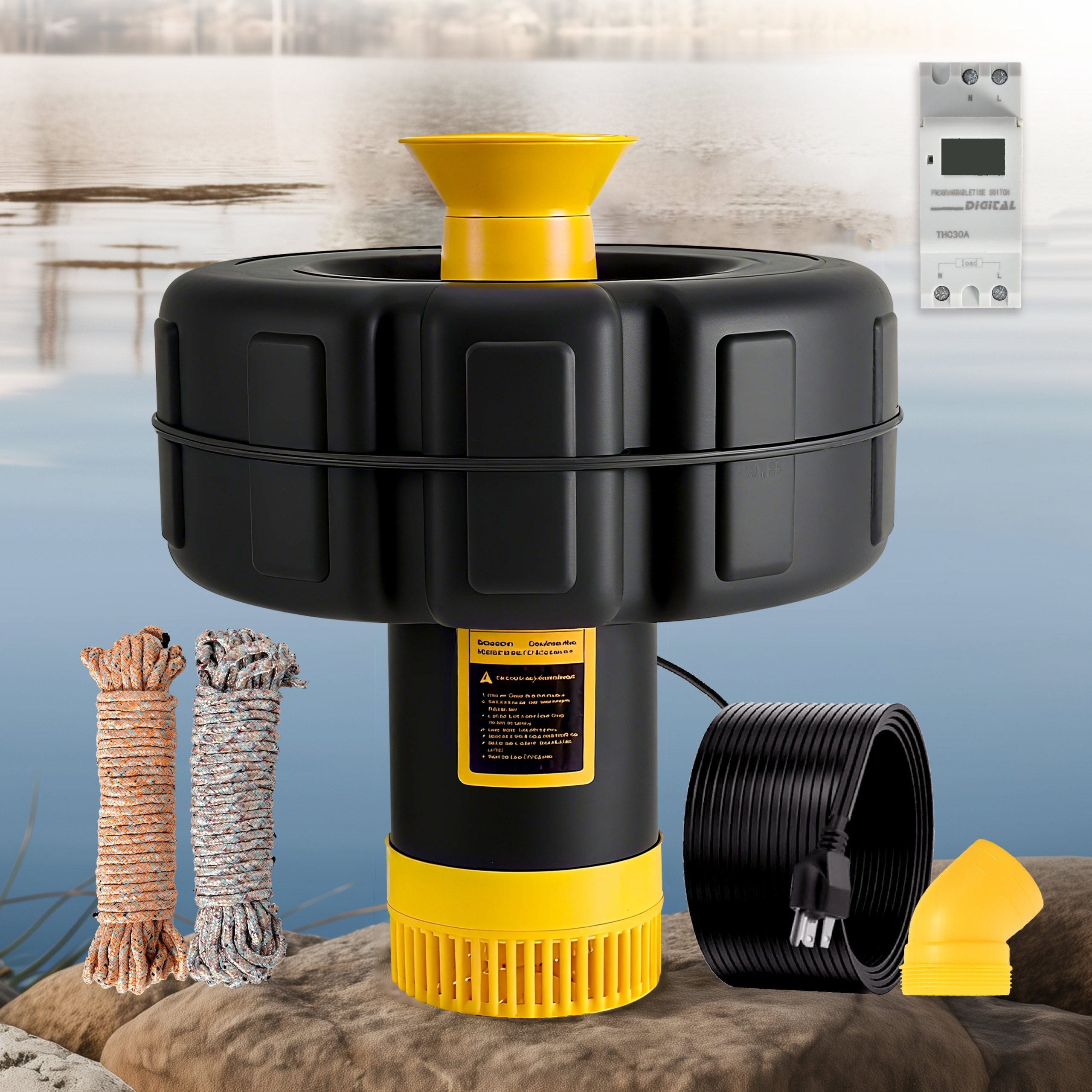
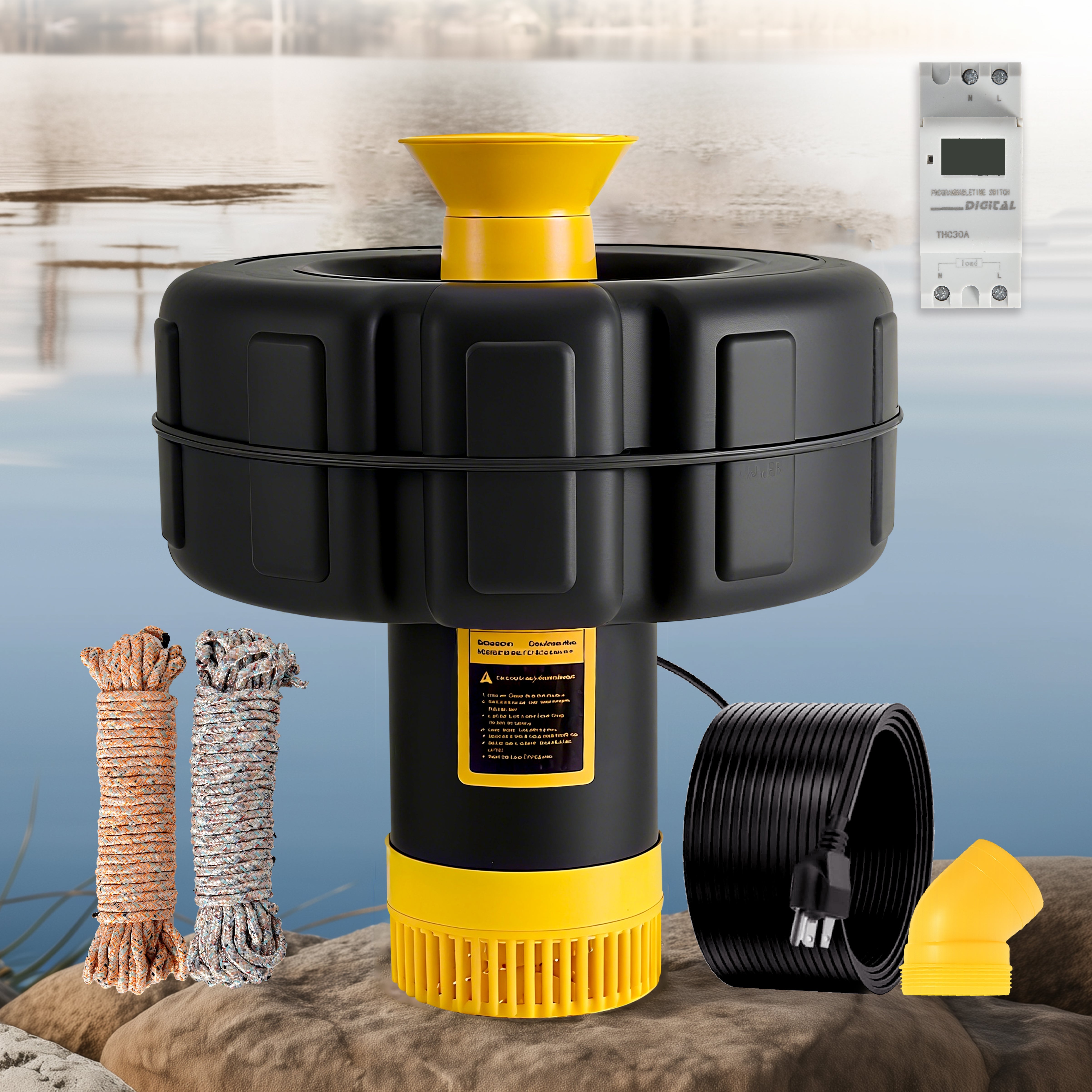
Renovators adding a water feature quickly learn that a decorative fountain is also an ecological device — it affects oxygen levels, circulation, and long-term maintenance. A clear QA blueprint prevents attractive but fragile choices from becoming seasonal headaches. When you begin sourcing a pond fountain for a backyard or community pond, you’re not just buying a kit: you’re selecting pumps, nozzles, floatation platforms, and service expectations that must work together reliably over years.
Core principles of the framework
Keep three concerns front and center: performance, durability, and ecological fit. Performance is measurable — flow rate, spray height, and aeration capacity. Durability covers materials, UV resistance, and corrosion protocols for metal fittings. Ecological fit asks whether the chosen solution supports the pond’s biology and maintenance schedule. The framework below turns those principles into repeatable checks for wholesale selection and on-site acceptance.
Seven-step QA framework for auditing wholesale suppliers
1) Define functional requirements: target spray pattern, circulation radius, and required aeration. 2) Request engineering specs: submersible pump ratings, expected flow rate (GPH), nozzle types, and power draw. 3) Inspect materials: confirm UV-stabilized floats, marine-grade fasteners, and sealing methods. 4) Demand test reports: run-time endurance, salt-spray results, and float buoyancy tests. 5) Validate electrical safety: grounding, GFCI protection, and cable ratings for wet environments. 6) Confirm spare parts policy and lead times. 7) Establish acceptance tests on delivery: startup, leak checks, and a 72-hour runtime under load.

Technical checks you must run on arrival
On-site testing should be routine, documented, and signed off. Start with a dry inspection of the float platform and nozzle assembly, then a wet run to verify actual flow rate and spray alignment. Measure pump amperage against the spec sheet, verify that the submersible pump remains cool after extended operation, and test the aeration effect — is there visible water turnover and surface agitation where expected? Check cable entry seals and ensure the control box has proper IP rating for outdoor use.
Comparing floating fountains and fixed aerators
Floating fountains provide aesthetic spray patterns and moderate aeration; fixed aerators focus on deep-water oxygen transfer with less visual impact. If shoreline access is limited, floating units simplify installation. Fixed diffusers may require trenching and more complex piping but can deliver stronger deep-water aeration. For many small ponds, a hybrid approach — a floating decorative fountain paired with a submerged diffuser — balances clarity and beauty. Consider the nozzle profile and diffuser head type when deciding; the former defines display, the latter defines oxygen transfer.
Common mistakes renovators make—and how to avoid them
Renovators often underestimate installation environment: wind can blow spray onto decking or plants; seasonal freeze cycles can damage plumbing if not winterized. They also accept nominal pump specs without verifying real-world flow against head height — pumps lose significant GPH as lift increases. Another frequent error is skipping spare parts and modularity requirements; when a nozzle or float collar fails mid-season, sourcing replacements from overseas can halt operation for months. Insist on local service options and clear spare parts lists — it saves more than time, it preserves the pond’s ecology.
—A brief note from the field: when we fitted a small neighborhood pond in Portland, Oregon with a commercial floating fountain, the visible clarity improved within weeks because circulation reduced surface film. That project reinforced that practical aeration and simple maintenance schedules drive user satisfaction more than elaborate spray heights.
Evaluating supplier claims and certifications
Look for tested IP ratings, UL or CE electrical declarations, and materials documentation on UV and corrosion resistance. Ask suppliers for run-hour history on deployed units and references from similar climates. Avoid vendors who provide only marketing shots without measurable specs — you need performance curves and test matrices. Where possible, require a sample or pilot unit for a 30–90 day trial before committing to large wholesale orders.
Choosing between off-the-shelf kits and bespoke systems
Off-the-shelf offers faster procurement and predictable parts interchangeability; bespoke systems deliver tailored aesthetics and site-specific hydraulics but introduce tooling and lead-time complexity. For many small ponds, commercially available floating fountains for small ponds strike the right balance: proven pump packages, modular nozzles, and accessible maintenance points. If the site requires unique spray patterns or unusual mounting, plan for prototype runs and clear acceptance criteria in the contract.
Three golden rules for selection (Advisory)
1) Verify measured performance, not just rated specs: demand a wet-run report at target head and nozzle configuration. 2) Insist on modularity and spare-part availability within your region to reduce downtime and shipping risk. 3) Prioritize ecological compatibility: choose systems that improve oxygenation without excessive surface disturbance or chemical disruption to the pond’s biology.
Following these rules produces installations that are predictable, serviceable, and gently supportive of pond health — which, in the long run, protects your renovation’s value. Orison sits naturally in that space as a supplier focused on practical, maintainable designs that consider both display and ecology; their products and support structures help bridge the gap between contractor intent and seasonal reality. —