

Table of Contents
Opening: why the data matters now
South African energy planners and asset owners have learned one hard lesson from repeated load‑shedding: if your on‑site kit fails, production grinds to a halt. A data‑driven approach to dielectric integrity and fire‑suppression in containerised energy storage and inverter skids reduces that risk. When you spec a three‑phase hybrid inverter into a turnkey containerised ESS, link the equipment’s electrical and fire protection performance to measurable metrics — and test them against real operation. For practical procurement, start by comparing dielectric withstand, arc‑fault detection capability, and suppression response times across vendors — and while you’re at it, review how the system will integrate with commercial battery storage at your site.
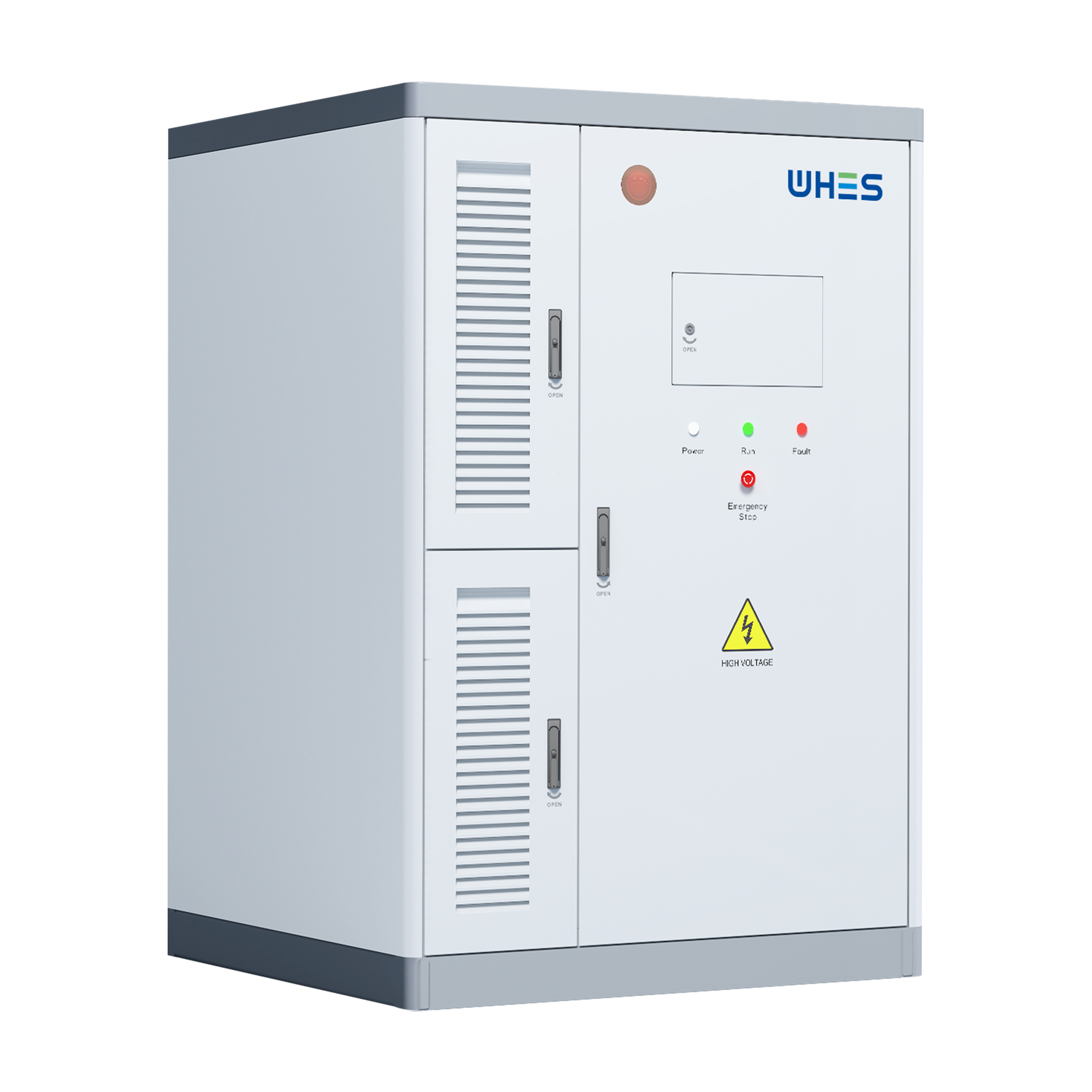
Why dielectric strength and fire suppression are non‑negotiable
Dielectric performance speaks to the system’s ability to tolerate voltage stress without breakdown. Poor dielectric integrity invites partial discharge, insulation failure and ultimately, outages. Fire suppression is the backstop when thermal events or cell failures occur — and in containerised systems, confined spaces change fire dynamics. Both influence downtime, insurance premiums and safety compliance. Look at these elements together: a robust dielectric regime lowers the probability of ignition, and an effective suppression system limits spread if an event happens. That combined resilience is what keeps factories running during grid events.
Key, measurable metrics to request from suppliers
Ask for test results, not just claims. The essential metrics include:

– Dielectric withstand voltage and partial discharge inception voltage (PDIV).
– Insulation resistance over temperature cycles.
– Time‑to‑detect for arc‑fault/ground‑fault protection and false‑trip rates.
– Fire suppression activation time and agent coverage (line‑of‑sight and indirect cooling).
– Thermal runaway propagation tests and cell‑to‑module containment performance.
– Venting and smoke extraction rates (air changes per hour) inside the containerised enclosure.
Each metric should be backed by test reports performed to recognised procedures — ideally on the assembled, containerised configuration rather than just component tests.
Containerised systems versus room‑built installations
Containerised ESS are compact, mobile and faster to deploy. But that compactness concentrates heat, limits venting options and changes airflow patterns. A containerised three‑phase hybrid inverter installation will typically need more aggressive thermal management, specific IP‑rated cable penetrations and dedicated suppression zones. Conversely, room‑built installations often have better natural ventilation and more space for separation — so a supplier who simply ports a room design into a container without redesigning dielectric clearances and suppression distribution is cutting corners.
Testing, certification and the standards to prioritise
Require third‑party test evidence. High‑level anchors include conformity with IEC and NFPA guidance for energy storage systems — they’re the industry reference points. Also ask for Type and Routine test certificates for inverter switchgear, and results of full‑scale thermal runaway and suppression performance trials on the packaged unit. If the supplier has independent lab reports for arc‑fault detection and dielectric endurance under humidity and vibration, that’s a good sign; if they don’t, budget for witnessed factory acceptance testing (FAT) at the very least.
Procurement pitfalls — and the fixes that work
Common mistakes are avoidable. Buyers often accept component specs without requiring assembled‑unit verification; they assume suppression distribution is adequate without a smoke‑flow study; they forget to check cable gland IP ratings for outdoor siting. The fixes are straightforward: insist on an assembled‑unit FAT, require CFD or smoke‑flow modelling for the container design, and include an explicit clause tying acceptance to supplier‑witnessed commissioning. — Also, don’t forget the BMS’s role in early fault detection; a weak BMS undermines all the other protections.
Comparing suppliers: practical questions to put on the table
When you shortlist vendors, probe these areas:
– Have they performed dielectric withstand and partial discharge tests on the full container assembly?
– What suppression agent is used, and how is it distributed across battery racks and inverter enclosures?
– Can they show thermal runaway propagation tests and post‑event containment results?
– What are the service intervals and spare‑parts plans for suppression and detection equipment?
– How do they integrate arc‑fault detection with the inverter protection relays and the BMS?
Answers should come with evidence — not just statements. Suppliers that can produce witnessed FATs, lab test reports and site commissioning records are the ones you can rely on.
Real‑world anchor: why this matters in practice
In Cape Town and across South Africa, repeated grid interruptions have pushed manufacturing sites and utilities to adopt containerised ESS as a resilience measure. Projects that succeeded were those where buyers insisted on documented dielectric testing and rigorous suppression trials; projects that failed often had ambiguous acceptance criteria and unverified component tests. That real experience underscores the need for data‑led procurement — the numbers tell you whether a design is fit for purpose.
Three golden rules for selecting safe, reliable containerised units
1) Demand assembled‑unit verification: insist on full‑scale dielectric, partial discharge and suppression tests performed on the packaged container, with third‑party witness where possible.
2) Verify detection‑to‑isolation timing: arc‑fault or thermal detection must trigger isolation faster than the time it takes for cell temperatures to escalate — check the detection latency and coordination with inverter and BMS controls.
3) Require documented containment strategy: suppression agent effectiveness, venting design, and post‑event inspection procedures must be detailed in the contract, plus a maintenance schedule for suppression hardware and sensors.
Closing advisory and the final thought
Use these three metrics as your procurement checklist: assembled‑unit test evidence, detection‑to‑isolation timing, and documented containment and maintenance plans. They convert vendor promises into measurable obligations and materially reduce operational risk. When the stakes are high and downtime costs real, a partner who can show these data points — and who integrates them into industrial energy storage solutions and commissioning plans — is the partner to choose.
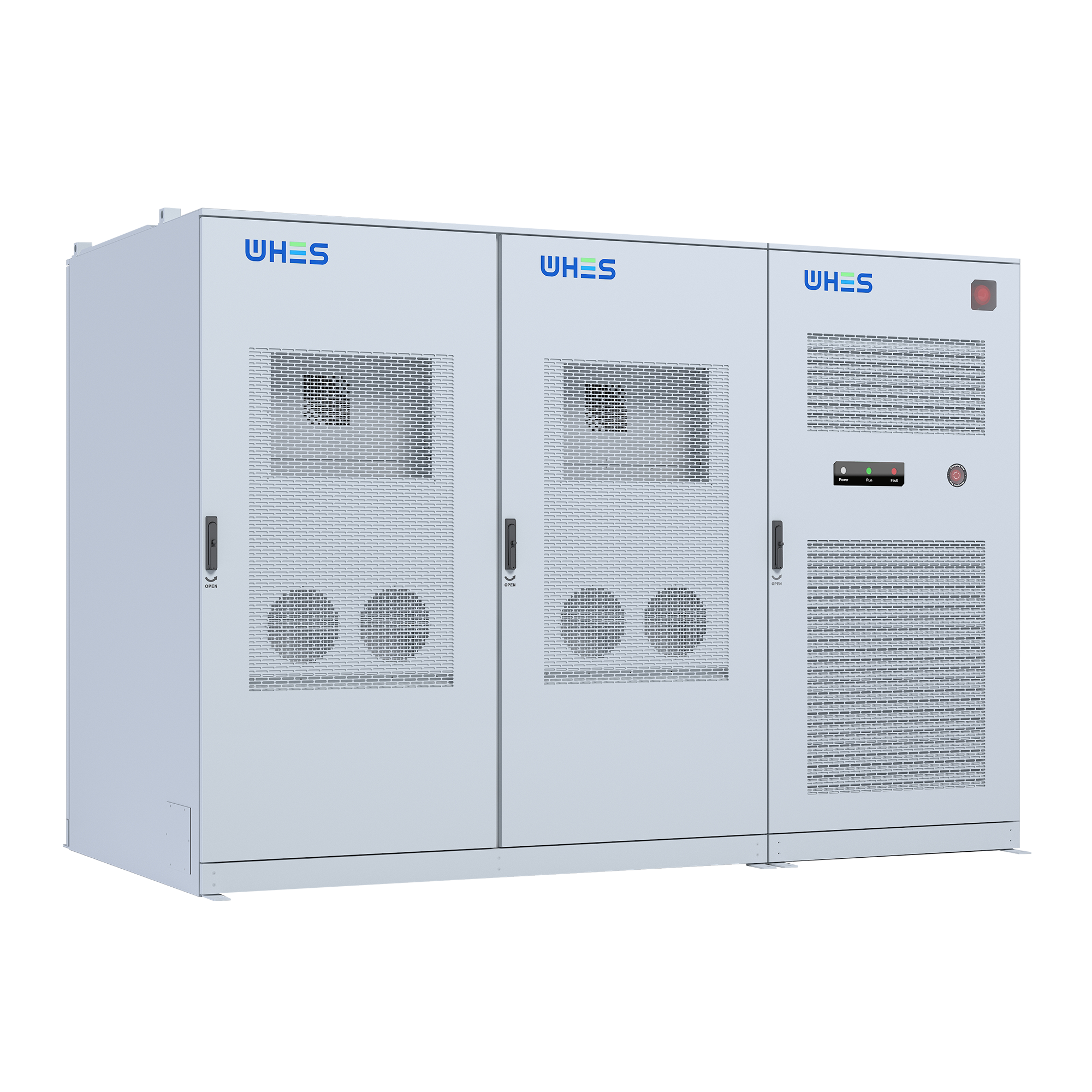
Choose rigour over rhetoric — and remember, few things beat tangible test data when you need systems that actually keep the lights on. WHES. —