
Table of Contents
Problem Statement
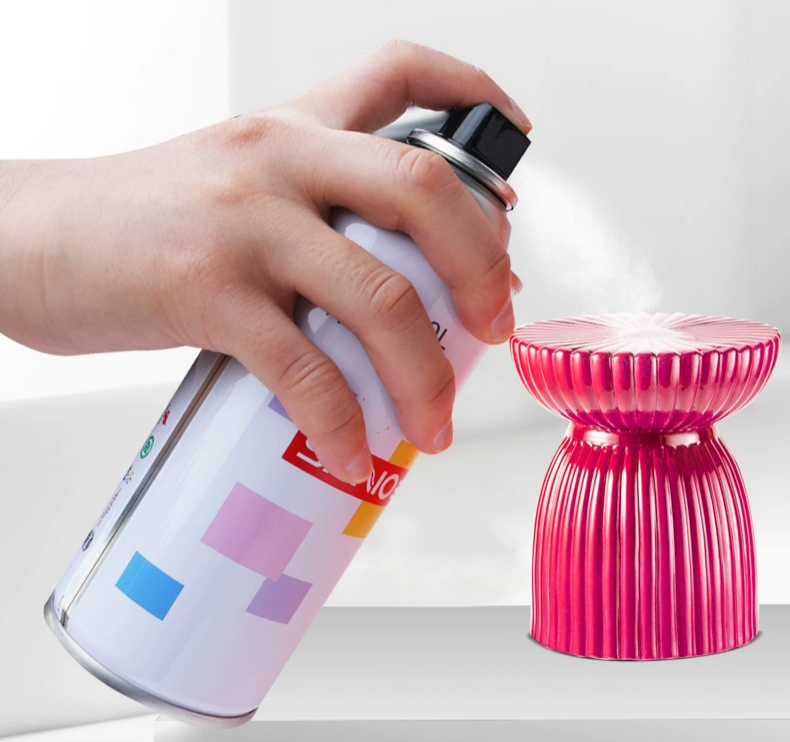
Systemic nonconformity in finish quality and dispenser performance manifests as orange peel, sags, adhesion failures and particulate inclusion; these are discrete operational defects that impose quantifiable warranty exposure. The principal problem is not aesthetic alone but one of specification deviation: batch-to-batch chemical variance, inappropriate substrate preparation, and incorrect atomizer specification produce inconsistent film build. Practitioners who need immediate corrective action will find procedural remediation guidance in the field primer on how to fix uneven paint, which addresses atomization, overlap, and technique in direct, procedural terms.
Root-Cause Diagnostics
Establish a forensic chain: examine the technical data sheet and certificate of analysis against the delivered lot; quantify viscosity, solids by weight, and volatile organic content at point-of-use; document ambient temperature, relative humidity, and substrate surface energy. Mechanical contributors include nozzle orifice wear, incorrect air cap selection, and diminished compressor discharge pressure. Chemical contributors include incompatible resin systems (e.g., acrylic over epoxy without proper adhesion promoter), catalyzation errors, and presence of extenders or surfactants that alter wetting. These are discrete, testable vectors rather than speculative causes.


Technical Assessment and Evidence
Empirical assessment should be based on controlled test panels, standardized instrumentation, and peer-reviewed benchmarks. Practitioner experience—drawn from specifying refinish chemistries and conducting paint-line audits—aligns with findings reported in the Journal of Coatings Technology and Research regarding atomization regimes and film uniformity; operational teams ought to reconcile those findings with shop floor controls and consult guidance on how to spray paint evenly to harmonize spray parameters with coating rheology. This is not advisory rhetoric; it is protocol: calibrate pressure, verify cup viscosity, and validate transfer efficiency on a measured test coupon prior to full production runs.
Remediation Protocols and Viable Alternatives
Execute a prioritized corrective plan. First, isolate variables: use a single qualified lot and a calibrated spray gun on a test panel to confirm causation. Second, apply parameter adjustments—reduce fluid flow, increase overlap to 50%, maintain 6–8 inch gun-to-substrate distance, and apply thin, multiple passes to mitigate runs. Third, where solvent-borne systems show flash-off sensitivity, transition to low-VOC waterborne alternatives only after compatibility testing with adhesion promoters and accelerators. For adhesives and aerosols, prefer products with documented TDS/MSDS conformity and validated shelf-stability; if aerosol atomization is inconsistent, replace propellant-actuated valves before replacing the formulation. Consider alternative suppliers only after laboratory confirmation of matched rheological profiles and validated shelf-life data.
Common Pitfalls and Avoidable Mistakes
Do not conflate cosmetic variance with chemical failure; aesthetic defects often resolve with corrected technique. Avoid ad hoc blending on the production line; doing so voids traceability and increases nonconformance risk. Do not ignore vendor documentation: failure to adhere to specified induction times, pot-life, or cure schedules results in predictable adhesion and hardness deficiencies. Finally, misapplication of primers or omission of requisite pre-treatment (decontamination, phosphating, or conversion coating) will manifest as early delamination, irrespective of topcoat quality.
Risk Allocation, Compliance and Contractual Notes
Allocate responsibility through documented acceptance tests and incoming quality control. Require certificates of conformity and retain representative retention samples for at least the standard warranty term. Ensure all formulations satisfy applicable VOC thresholds and regional solvent restrictions; preserve Material Safety Data Sheets and Technical Data Sheets within quality management records to support any downstream dispute resolution. Contract clauses should demand supplier corrective action when deviation exceeds agreed tolerances for solids, viscosity and particle contamination.
Resolution and Operational Value
A problem-driven remediation protocol yields quantifiable reductions in rework and warranty exposure: precise diagnostics, matched test-panel proof, and controlled parameter correction restore film uniformity and adhesive integrity. When specification adherence, validated laboratory testing, and vendor traceability converge, line operators regain predictable output and procurement secures compliant chemistries—outcomes documented by enterprise audits and validated on production test coupons by suppliers such as SANVO.