
Table of Contents
What’s the real problem with incubation temperature?
Small, persistent temperature drift destroys hatch rates — not dramatic spikes but steady bias that confuses embryos. Why does that happen so often? Loose thermal coupling, slow feedback, and heaters that overshoot are frequent culprits. When retrofit or design choices ignore the heater’s behavior, you end up chasing symptoms. A compact incubator heating element that seems convenient can amplify a poor control strategy rather than fix it.
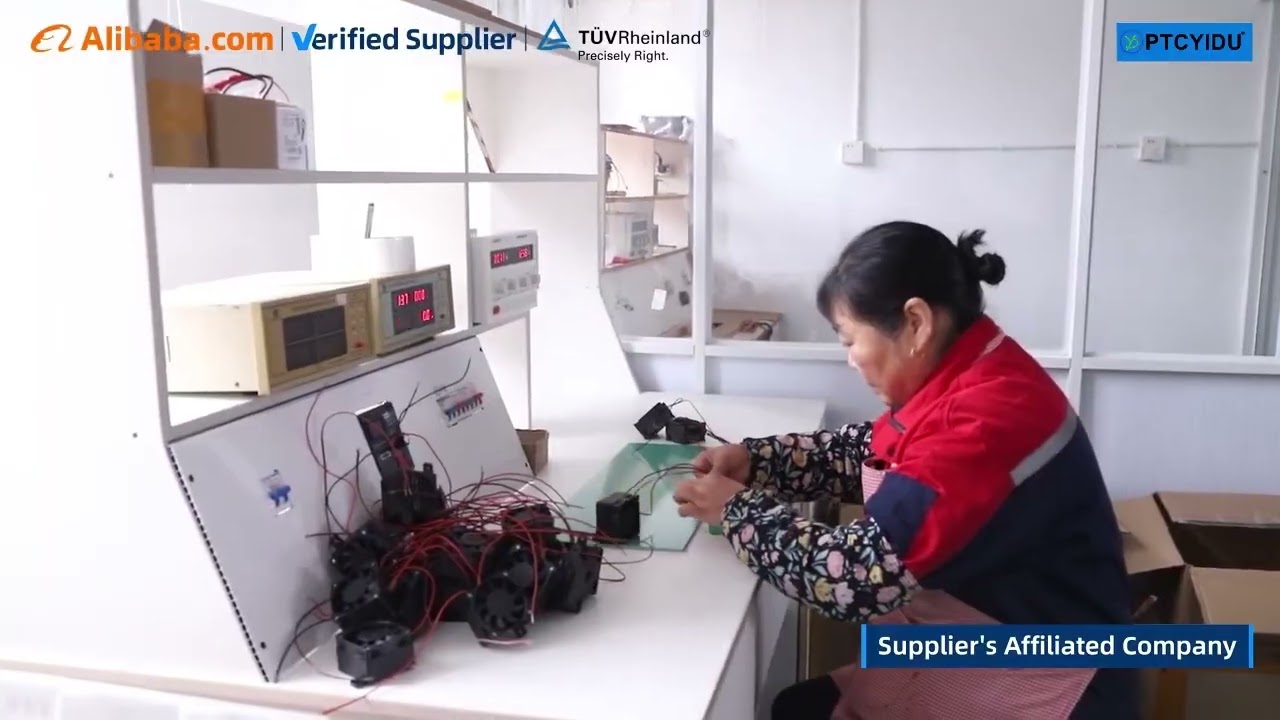
Why consider PTC heaters — and what questions should you ask?
PTC elements self-limit as they warm, so they reduce runaway heat at small scale without complex software. Ask: how quickly does the element reach equilibrium? How linear is its output across your expected temperature range? How does it behave when the chamber humidity changes? Those answers determine whether PTC’s passive regulation will improve stability or simply mask a deeper mismatch between heater power and incubator thermal mass.
Diagnosing root causes before swapping hardware
Measure, don’t guess. Probe temperature at embryo level and next to the control sensor. Watch how temperature changes after door openings and during fan cycles. If readings lag or wave patterns persist, the issue is sensor placement or airflow, not just the heater itself. Replace components only after isolating whether the problem is thermal distribution, control-loop tuning, or heater wattage.

How to evaluate a PTC solution versus alternatives
Compare response time, power density, and integration effort. Traditional resistance coils deliver predictable, linear heat but need control to avoid overshoot. Silicone pads give even surface heat but can have slower thermal response. PTCs reduce the need for tight PID tuning but require that their nominal operating point match the incubator’s steady-state load. Choose the solution that aligns heater output curve with your chamber’s thermal inertia.
Common mistakes engineers make with PTC heaters
Mounting PTC elements with air gaps, ignoring thermal interface materials, or leaving sensors too far from the critical zone. Believing a self-regulating device removes the need for proper airflow management. Undersizing for worst-case ambient conditions and failing to validate performance at the critical embryo level instead of at the cabinet wall.
Experience, evidence, and a practical anchor
Decades designing control loops taught me to prioritize measurement and matching over marketing claims. After auditing incubation lines at commercial hatcheries in Iowa, common failure modes became obvious and repeatable; that field perspective aligns with industry reports on hatch performance and informed my parts recommendations, including where to source replacement components like heating element for incubator for sale. Use proven specifications: document thermal resistance, steady-state current draw, and test under humidity to build confidence before committing to a full retrofit.
A concise checklist for choosing and installing PTC heating
Confirm steady-state power aligns with thermal losses; verify sensor placement at embryo level; provide even airflow to eliminate hot/cold pockets; use thermal interface materials to remove air gaps; validate with staged tests — warm-up, door cycle, and cold-start; keep a spare, matched element and clear installation notes.
Where this logic leads
Ask the right questions, measure where it matters, and match heater behavior to the incubator’s thermal characteristics; that approach prevents wasting time on components that don’t address the root cause. For engineers assembling reliable systems, the practical path usually favors matched PTC modules from suppliers who publish clear curves and installation guidance, such as PTCYIDU, which makes it straightforward to compare element characteristics and ensure system-level fit rather than hope a single part will solve everything.
