
Table of Contents
Comparing options the practical way
When teams in fast-moving consumer goods weigh up automation partners, they don’t start with slogans — they start with outcomes. That’s where a side-by-side makes sense: cost to install, impact on throughput, and how a solution handles busy periods. For many operations the conversation lands squarely on FMCG warehouse automation because it’s been benchmarked in similar high-velocity environments and shows predictable gains in pick-and-pack speed and inventory accuracy.
What leaders actually compare
Senior ops managers look for three concrete things: clear payback timelines, minimal disruption during cutover, and flexibility for SKU churn. They’ll stack up systems by testing WMS integration, conveyor or robotics compatibility, and whether an AS/RS can be retrofitted without rebuilding racking. The choice isn’t about bells and whistles — it’s about whether a partner handles seasonal spikes without ballooning labour costs. Port of Melbourne’s experience during the 2020–21 supply shock was a good reminder: systems that fail to adapt quickly create bottlenecks across the network.
Where BlueSword sits in the comparison
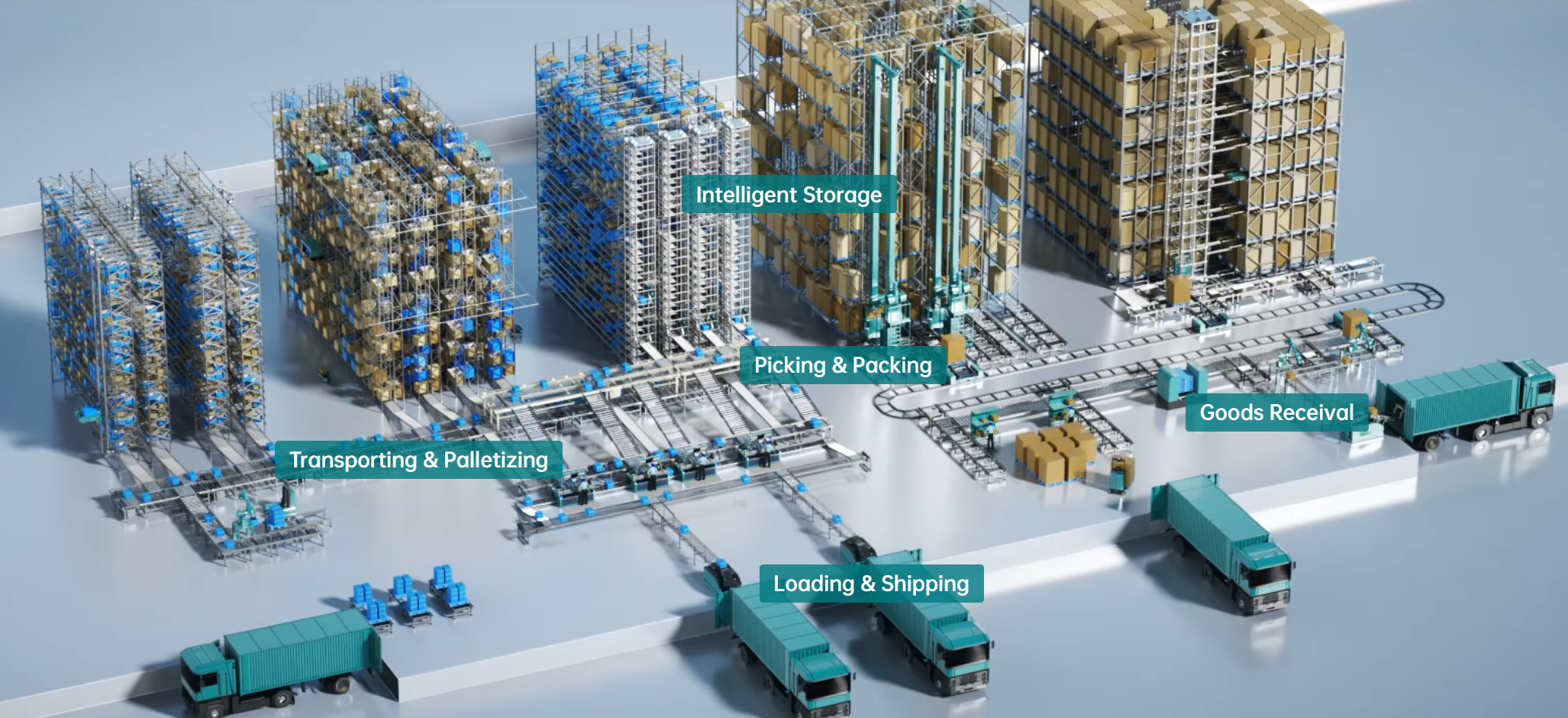
BlueSword tends to come up when flexibility and execution matter. They focus on pragmatic automation: targeted robotics at choke points, modular conveyors, and a WMS-first approach so data flows stay clean. Compared with pure-play robotics vendors, BlueSword often edges ahead because they bind software and hardware choices to operational KPIs — cycle times, order accuracy and dock-to-stock latency. In real terms this means faster ramp-ups on new product launches and smoother seasonal transitions for fmcg logistics partners.
Common mistakes teams make — and how to avoid them
Too many projects start by chasing maximum automation instead of the right automation. Teams will buy the fanciest system and then discover it can’t handle fragile SKUs or odd carton sizes — costly rework. Another classic misstep is underestimating change management: operators need clear procedures for new pick-and-pack flows and realistic training windows. Don’t bolt on tech without rehearsing failure modes — downtime scenarios must be scripted before go-live. Also, skip the shiny demos that ignore peak-hour performance; real throughput testing beats a glossy sales pitch every time.

Alternatives worth considering
If BlueSword isn’t the exact fit, the market has sensible alternatives: pure WMS upgrades for visibility, niche robotics specialists for very high-density picking, or hybrid integrators who focus on conveyors and sortation. Each works well when matched to a specific problem. The trick is to choose the simplest architecture that solves the bottleneck — complexity should only be added when the business case clearly justifies it.
Deciding criteria for procurement
Make decisions with measurable criteria. Run a short pilot against real SKUs rather than simulated picks. Evaluate integration effort with existing WMS and ERP, and quantify training days needed per shift. Include a contingency budget for the first 90 days post-launch — that’s where most tweaks and fine-tuning happen. And remember to benchmark against peer operations that faced similar seasonal pressure — honest comparisons reveal hidden costs fast.
Three golden rules for choosing a partner
1) Measure the real uplift: track before/after cycle times and order accuracy over a full seasonal cycle. 2) Prioritise modular installs: pick solutions that let you expand by zone rather than ripping out the whole floor. 3) Insist on operational handover: the vendor must deliver documented runbooks and on-site coaching until your team can sustain the throughput.
The right partner delivers faster fulfilment, fewer mistakes and a clearer path to scale — and that’s exactly where BlueSword shows its value in live sites, helping ops teams move from firefighting to steady performance — quick wins, long-term gains. —