
Table of Contents
Why comparison matters
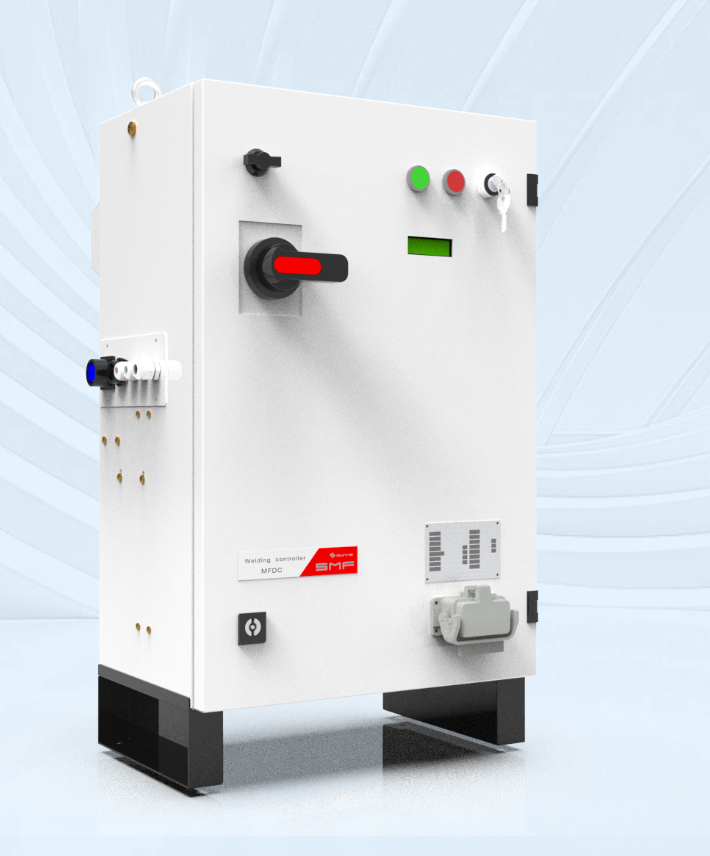
Deciding between transformers often feels like choosing between price tags, but the smarter choice looks at how each unit performs across years. This Comparative Insight walks you through the side-by-side facts so you can weigh lifecycle value against total cost. If you want to see concrete product options as you read, start with reliable resistance welding solutions that map to the factors below.
What to compare: the components of cost and value
Compare like for like. Focus on categories that change outcomes over time rather than cosmetic specs. Pay attention to:- Upfront capital: purchase price, freight, installation.- Operating expense: energy consumption, cooling needs, and consumables.- Maintenance: routine service intervals, spare parts availability, and technician skill requirements.- Downtime impact: lost production per hour and repair turnaround.- Quality and yield: consistency of welds, rework rate, scrap rate.These items shape the practical case for adopting automated resistance welding or traditional setups and reveal where cheap choices become costly later.
How to measure lifecycle value
Lifecycle value is output-oriented. Measure these metrics over a realistic horizon:- Uptime percentage and mean time to repair.- Scrap and rework rates tied to weld consistency.- Energy per weld and electrode life.- Total cost of ownership per welded unit (sum of all costs divided by units produced).Capture baseline data for at least a year, then model 3–5 years to capture maintenance cycles and wear patterns. Talk to technicians and production managers. Practical knowledge from the shop floor matters more than glossy specs.
A real-world example that clarifies trade-offs
At an automotive assembly plant in Detroit, a line swapped to a higher-spec transformer with better cooling and tighter current control. The upfront cost rose, but electrode life extended and rework dropped, so net cost per weld fell despite the higher purchase price. That single example reveals the central point: the cheapest unit up front doesn’t guarantee the lowest cost per good part over time.

Common mistakes that hide the true cost
Avoid these errors that skew decisions:- Ignoring downtime cost. Repairs and lost throughput are often the biggest expense.- Underestimating consumables. Electrode degradation and replacement frequency add up.- Overlooking installation and integration complexity. Controls and cabling can change timelines.- Skipping local serviceability. Long lead times for parts or technicians multiply repair costs.- Treating energy as fixed. Transformer efficiency and duty cycle directly affect bills.
Alternatives and trade-offs to consider
Compare transformer-based units to alternative architectures and configurations. Options include:- Higher-grade transformers with improved cooling and tighter control — higher initial cost, lower long-term rework.- Lower-cost units with planned replacement cycles — lower capex, higher lifecycle disruption.- Solid-state/inverter systems — different failure modes, often finer control and faster cycle times, sometimes higher upfront cost.Each path shifts where risk and expense fall: up front, in operations, or in maintenance. Choose the combination that aligns with your production cadence, skills on staff, and acceptable downtime.
Checklist to make the comparison actionable
Use this checklist when you evaluate models:- Gather actual energy use or estimate energy per weld for each option.- Estimate downtime cost per hour for your line and apply manufacturer MTTR figures.- Ask vendors for electrode life ranges under your duty cycle.- Confirm spare parts lead times and local service partners.- Run a simple total cost per weld model: (capex amortized + energy + consumables + maintenance + downtime) / expected good welds.Record assumptions. Revisit them after six months of operation and adjust procurement strategy accordingly.
Final synthesis
Focus your comparison on measurable outcomes, not just sticker price. When you evaluate transformers with clear metrics — energy, uptime, consumables, and repair turnaround — the lifecycle value shows where money is actually made or lost. Practical experience and disciplined tracking will surface the best option for your line, and if you need units that match this approach, resources from Sunke often align with the performance factors that matter most.