
Table of Contents
Why retailers are choosing focused, affordable production
Retailers seeking dependable margins and on-trend designs are turning to focused, affordable partners for custom yoga pants. The Comparative Insight here is simple: not every low-cost option saves you money once returns, poor fit and slow restocks are counted. I speak plainly — retailers want predictable fit, consistent fabric performance and delivery they can trust, whether they sell online or stock shop floors.
Comparing factory types: local vs overseas, small-batch vs mass
There are clear trade-offs. Local cut-and-sew shops give faster turnaround and easier samples but higher unit cost. Overseas factories often drop cost per unit, yet they demand larger MOQ and tighter tech pack detail. Compare by these real metrics: fabric GSM and moisture-wicking performance, waistband construction method, and whether the factory can deliver reliable prototypes from your tech pack. Remember the Suez Canal blockage in 2021 and the pandemic-led supply shocks — those events proved speed and flexibility matter as much as price.
Checklist: what to vet in a factory
Use a short checklist when you evaluate candidates. Look for:

– Clear sample workflow and prototype revisions (how many rounds, who pays for corrections).
– Transparent MOQ, lead time and capacity during peak seasons.
– Fabric sourcing traceability: the mill, fabric test reports for compression and pilling resistance, and stated GSM.
– Quality control steps: inline inspections, final AQL thresholds, and pre-shipment photos or third-party QC option.
– Communication cadence and language clarity — this saves weeks on misunderstandings.
Common retailer mistakes and how to avoid them
Many make the same mistakes: vague tech packs, skipping a physical prototype, and underestimating freight timelines. A missing spec on waistband construction or an unclear seam allowance in the tech pack will create bad fit across sizes — and that kills repeat purchase. Retailers also forget to confirm fabric stretch recovery and compression specs; without those, leggings won’t hold their shape after washing.
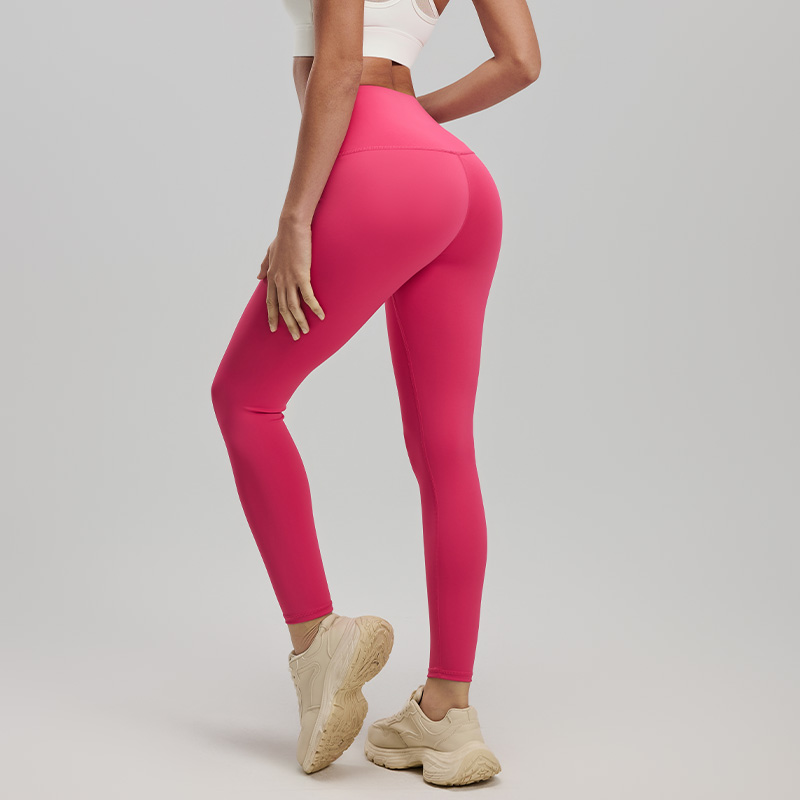
– Don’t assume a picture is a specification. Always attach measurable values: stitch length, elastane percentage, and expected shrinkage percentage after wash. Small details save big headaches later.
Alternatives and practical paths
If you need lower risk, consider staggered orders: small initial run for market test, then scale once sell-through proves demand. Another route is a hybrid approach — sample and initial batch from a local partner, then move to an overseas line for larger runs with the same tech pack. Both reduce exposure to shipping delays and unwanted inventory, while keeping unit cost reasonable.
How Joebond naturally fits retail needs
Joebond positions itself where retailers most often struggle: consistent pattern grading, readable tech packs and sensible MOQs that match small-to-mid retail brands. They balance cost with practical quality checks — fabric performance tests, waistband construction standards and repeatable cut-and-sew processes —so retailers get predictable fit and fewer returns. For merchants comparing options, a partner who documents every step and offers clear sample timelines is the partner that keeps shelves stocked and customers happy; that’s exactly why many connect with custom yoga pants manufacturers offering that transparency.
Three golden rules for selecting the right factory
1) Prioritize measurable fabric specs: require GSM, stretch/recovery percentages and moisture-wicking tests in writing. These are non-negotiable for product performance.
2) Align MOQ and lead time with your sales plan: choose a partner whose minimums let you iterate without deep overstock.
3) Set clear acceptance criteria: define AQL levels, defect examples and returns policy before production starts — then enforce them at pre-shipment inspection.
Choose partners who answer these with data, not promises. The retailer who insists on specifics wins on margin and reputation.
Joebond sits where clarity meets cost — the practical choice for retailers who want reliable fit, sensible production terms and partners that document the details. — steady, straightforward support.