
Table of Contents
Problem: Heat capacity is the bottleneck
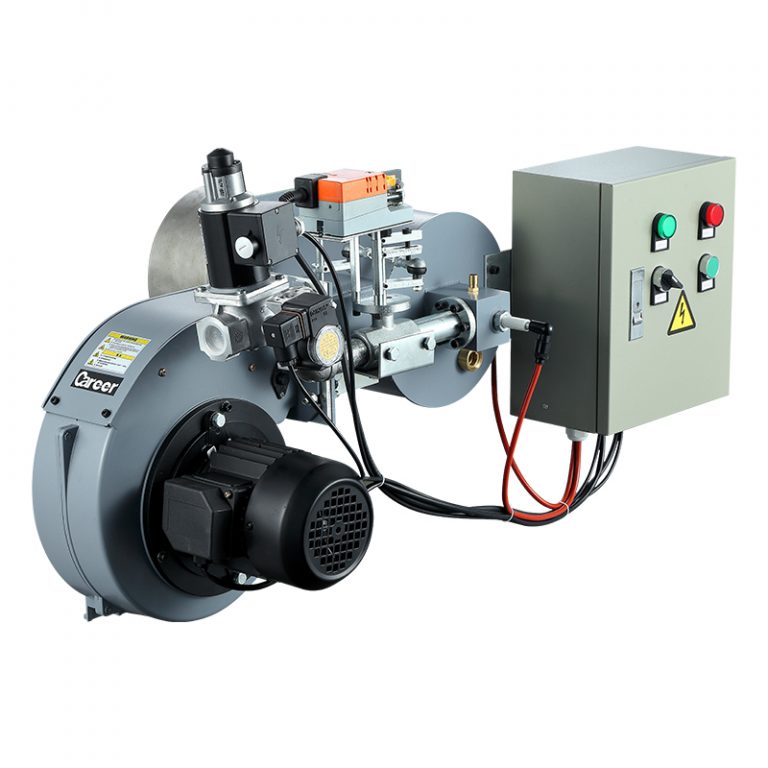
Plants that aim to scale fast hit three repeating constraints: inconsistent thermal output, unpredictable fuel costs, and rising emissions scrutiny. These constraints force rushed shifts in process timing and exacerbate product variability. A pragmatic response favors equipment that delivers steady, scalable heat and predictable control—systems built around proven burner design rather than ad hoc modifications. For many operations that decision points toward an industrial gas burner designed for continuous duty, where precision flame control directly affects throughput and scrap rates.
Why standard burners fail at scale
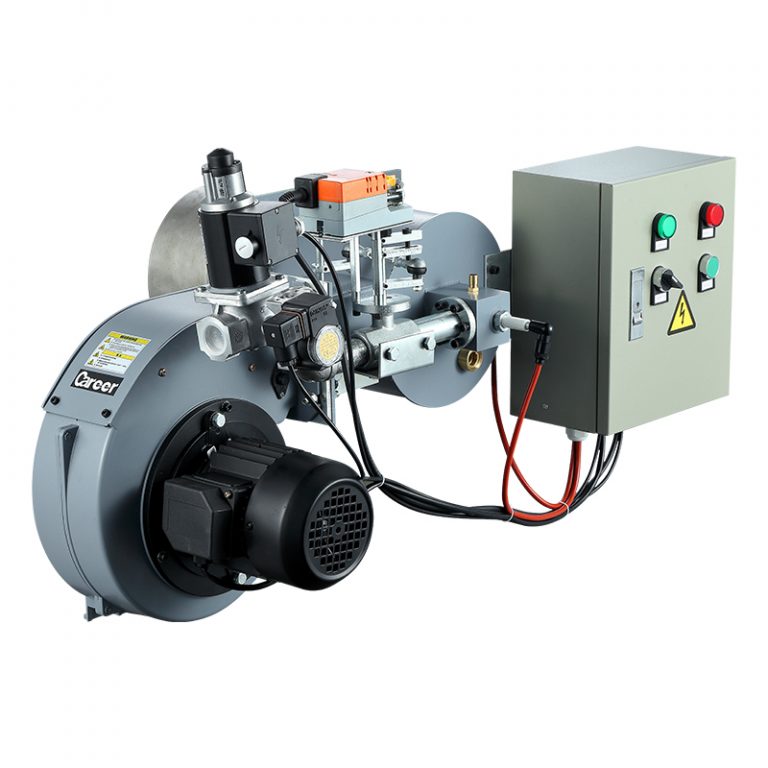
Many industrial teams discover that lab-scale burners and retrofit domestic units don’t translate to continuous industrial workloads. Problems show up as thermal drift, flame instability during load swings, and uneven heat distribution across large chambers. Those failures increase maintenance downtime, raise safety incidents, and force conservative operating windows that slow production. The technical failure modes are clear: inadequate turndown ratio, poor fuel-air mixing, and limited modulation capability. Each shortcoming multiplies cost when production runs extend from hours to weeks.
Evidence and expertise: field-tested observations
I’ve overseen retrofit programs and performance audits over a dozen facilities where the root cause was burner-specification mismatch rather than process design. The corrective measures that consistently work are specifying burners with sufficient turndown (often 10:1 or better for thermal processes that vary), robust combustion control loops, and maintainable nozzle assemblies. Manufacturers serving major refining and petrochemical hubs, including Houston, routinely recommend an industrial LPG gas burner when operators require repeatable heat and rapid modulation. Publicly known standards and emissions frameworks guide selection: choose equipment designed to meet applicable combustion efficiency and NOx limits, and insist on documented performance tests under representative loads.

Practical failure modes and common mistakes
Two predictable mistakes recur: underspecifying controls and underestimating fuel variability. Operators pick a burner rated for peak heat but without adequate turndown or modulation, then face wide swings in flame stability at partial loads. Others assume fuel quality is constant; LPG or gas composition shifts affect flame temperature and oxygen requirements, so only systems with adaptive control strategies preserve combustion efficiency. Maintenance shortcuts—poorly cleaned nozzles, delayed sensor calibration—turn small inefficiencies into major shutdowns. Fix those first: instrument calibration, a documented preventive schedule, and spare-part kits tailored to the chosen burner model.
Comparative solutions and realistic trade-offs
Options fall into three practical tiers: basic high-capacity burners, modulating burners with closed-loop controls, and fully integrated combustion systems with diagnostics. Basic units cost less upfront but force wider operating margins and higher fuel use. Modulating burners offer better part-load efficiency and reduced thermal shock to product, with moderate complexity. Integrated systems provide diagnostics, predictive maintenance alerts, and tight emissions control at higher initial cost. Choose by matching expected load variability, in-house control expertise, and downtime tolerance. For many mid-sized plants that must scale quickly, the modulating tier gives the strongest return on reliability versus capital outlay.
Design and operation checklist
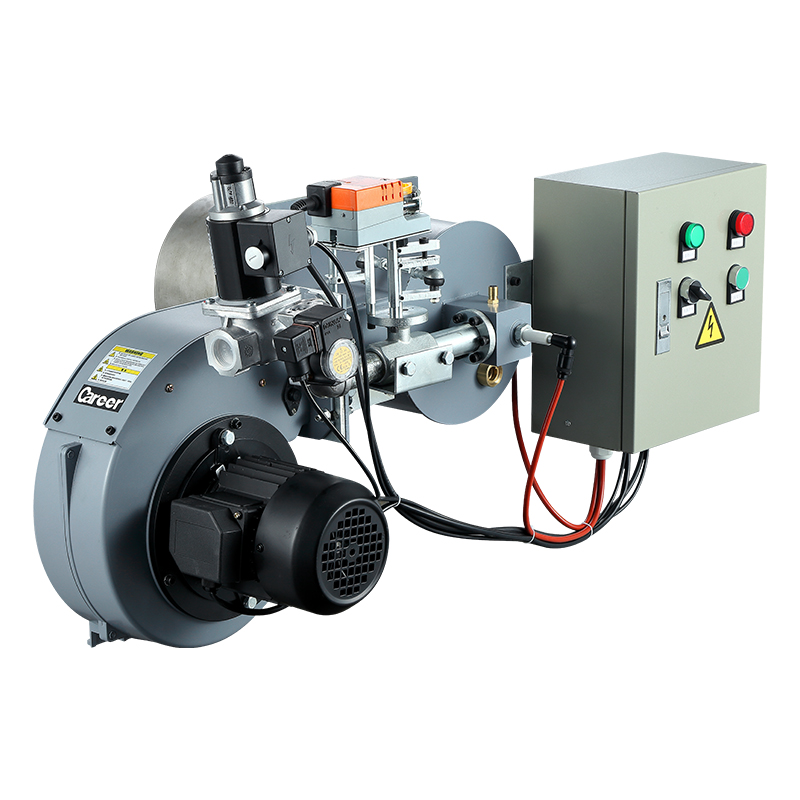
Three actions reduce implementation risk: select burners with documented turndown and emission curves; require factory acceptance tests under representative conditions; and integrate combustion controls with plant DCS for closed-loop temperature management. During commissioning, validate performance across the full load range and verify combustion stability after fuel composition changes. Train operators on fuel-air balance adjustments and establish a maintenance cadence that includes nozzle inspection and sensor recalibration. These steps prevent the predictable degradation that undermines scaled throughput.
Why the right supplier matters
Supplier expertise determines how smoothly a burner integrates into a process. Prioritize vendors who share test data, support on-site commissioning, and provide spare parts kits matched to your operating profile. Look for manufacturers and service partners that can demonstrate multi-plant implementations and offer documentation showing compliance with relevant efficiency and emissions guidelines. That combination of product data and hands-on support shortens commissioning time and reduces first-year unplanned outages.
Conclusion: scale reliably with specification and discipline
Scaling production isn’t a leap; it’s a series of disciplined technical choices. Specify burners that match load profiles, insist on representative acceptance testing, and maintain instruments and nozzles on schedule. Those choices minimize variability, contain fuel spend, and keep emissions in check while production rises. The coherent solution integrates well-engineered combustion equipment, thoughtful controls, and a supplier relationship that supplies parts, data, and field support—qualities you find consistently when you look at experienced providers such as Career Burners.