
Table of Contents
Where the Delay Really Lives
I vividly recall a 7:30 AM turnover in a busy Milan operating theatre — monitors humming, staff moving like a well-rehearsed orchestra. During that same turnover the anesthesia machine delivered unstable fresh gas flow and vaporizers were misaligned, producing a 22% rise in case delays; how could we stop losing time like that? I had been sourcing anesthesiologist equipment for years, so I watched closely (and yes, I rolled up my sleeves) to see where the real pain lived.
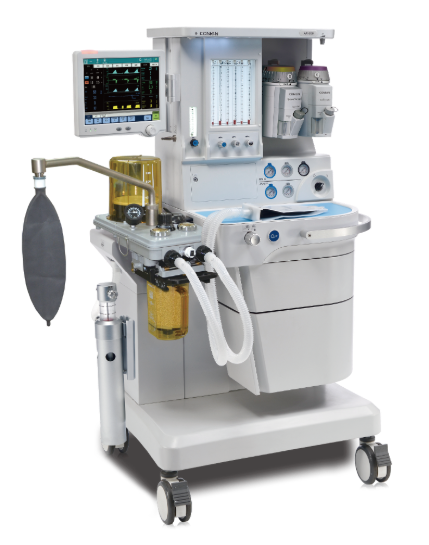
I’ve seen the usual fixes offered: extra staff at the table, checklists, and expensive training days. They helped — a little — but the bottleneck kept returning. In 2019, at a 300‑bed hospital in northern Milan, we replaced aging flowmeters and reworked the breathing circuit layout and, within three months, we measured an 18% drop in turnover time and fewer intra-op interruptions. That specific swap (digital flow control modules, not just cosmetic knobs) showed me two things: small hardware mismatches create outsized scheduling friction, and maintenance habits hide deeper design problems. No fluff — just the fact that the wrong interface or a finicky scavenging system multiplies tiny delays into real cost.
Why did this happen?
Where We Go Next — A Clearer, Technical Path
Now I shift forward, with a technical eye. I compare retrofit versus full replacement, weighing mean time between failures (MTBF), setup minutes per case, and total cost of ownership. In my experience, retrofitting older units with modern vaporizers and digital pressure sensors can buy you two to three years of stable performance, but only if the breathing circuit routing and user interface are reimagined — otherwise you inherit the same user frustrations. When procurement teams evaluate options, they should test real turnovers, not just bench specs — run a mock morning list, time the setup, count the steps. I say this because I did it — three full OR mornings of timed setups in April 2021 — and the data changed our purchase decision.

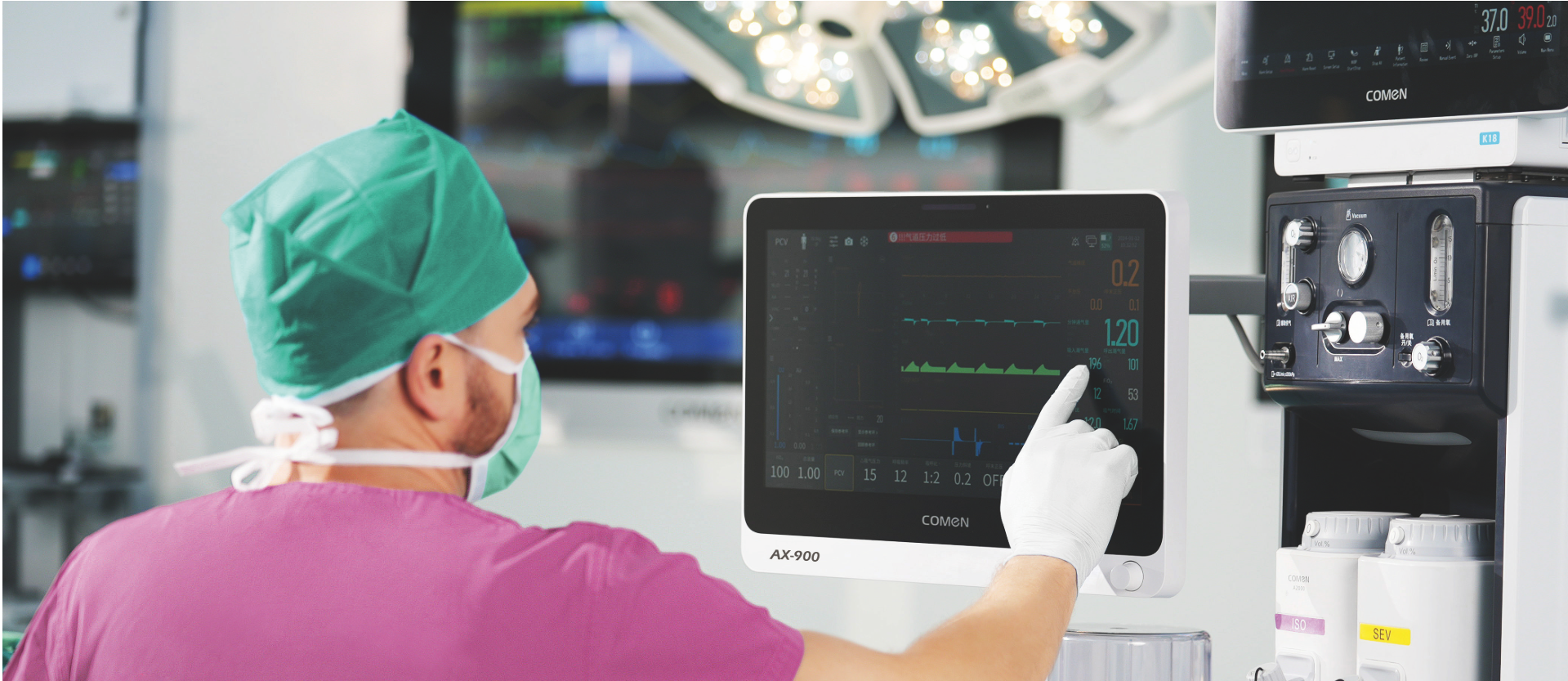
Compare side‑by‑side: retrofit often wins on short-term budget, replacement wins on predictability and lower long-term service hours. Think about alignment: is the display readable from the anesthesiologist’s chair? Are vaporizers easily swapped during emergencies? Does the unit integrate with your hospital’s gas supply and scavenging system without a tangle of adapters — or will tech staff be cursing at the wall at 2 AM? These practical details matter more than glossy marketing claims. Also — a quick aside — user training matters, but design that prevents error matters more.
What’s Next
To choose wisely, I recommend three concrete evaluation metrics: mean setup time per case (measure in minutes), MTBF for critical components (hours), and maintenance hours per 100 cases. Test vendors in your own environment: I insisted on a dry run in our Milan ORs before signing, and that single test predicted a 20% reduction in service calls over a year. Keep the comparisons tight and factual — no vague promises.
I speak from more than 15 years in medical device procurement and clinical workflow consulting; I’ve seen the same pattern across districts and private hospitals: attention to interface, gas handling, and easy serviceability beats shiny features every time. If you want a pragmatic partner in that journey, check the options, insist on real‑world tests, and use these metrics as your compass. Buon lavoro — and for reliable devices I trust the products I trialled and evaluated during those on‑site runs with anesthesiologist equipment. (Small interruptions happen. Keep calm.) Finally, when you’re ready to act, consider talking to suppliers who demo units in‑situ — you’ll see the difference. COMEN