

Table of Contents
Hidden frictions: why the obvious fix still trips us up
One wet evening in December 2019, I watched a 33 kV feeder in County Clare go from steady to strained while local solar farms were partially shut down—30% curtailment for three hours straight; can a battery change that? Early on I learned that the plain answer sits behind operations and contracts, not just hardware. The topic I keep returning to is battery storage utility scale because a 50 MW / 200 MWh Li‑ion BESS I helped commission there cut curtailment by 18% and delivered 20 MW of frequency regulation within weeks (I remember the night tests vividly). The deeper problem isn’t the cell chemistry or the inverter size—it’s the misaligned incentives, onerous interconnection clauses, and poor telemetry that hide true value. I’ve sat in tender rooms where the specs demanded big name brands but did not ask for dynamic dispatch or SCADA hooks; that design genuinely frustrated me. Grand, but useless—no bother if you ignore dispatch.

In short: operators see batteries as boxes, not as system partners. That blind spot causes wasted capacity, slower payback, and needless grid stress. Let me show you the practical cracks before we talk solutions.
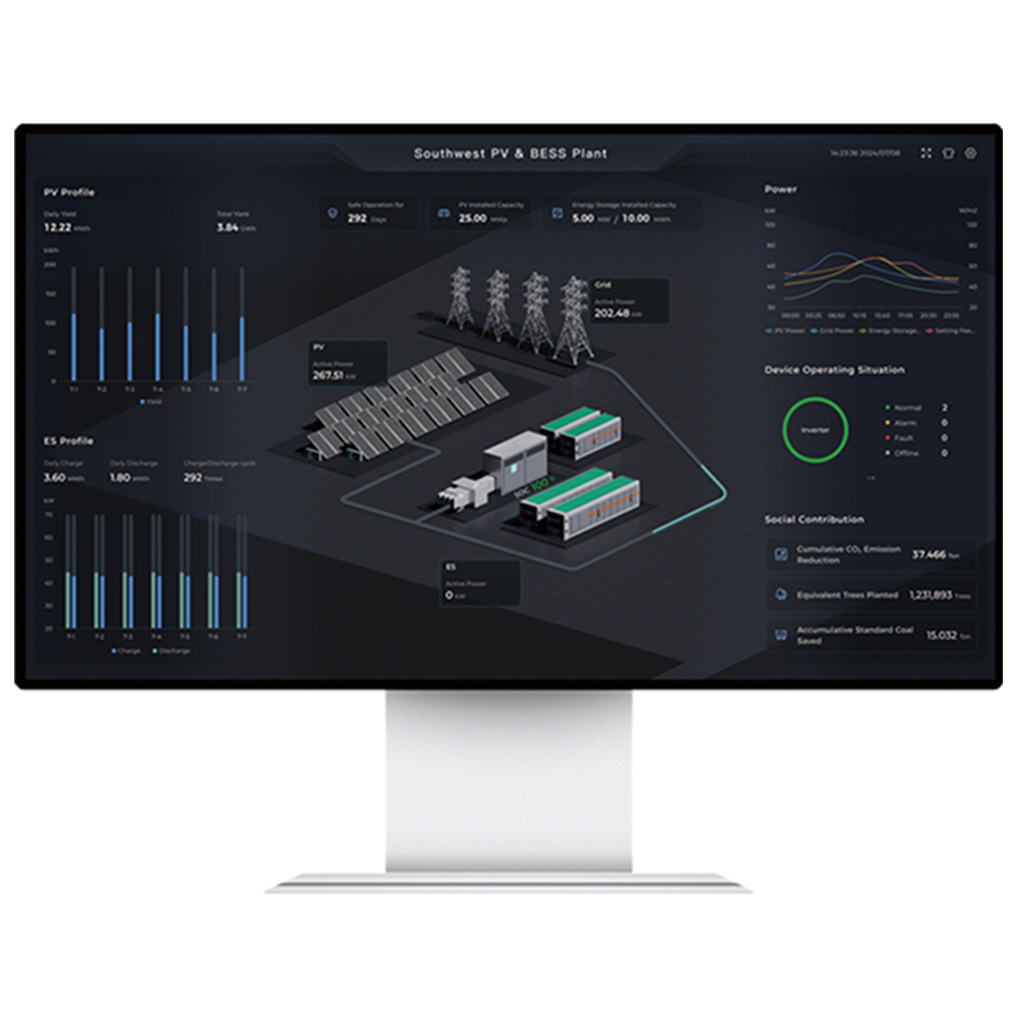

What’s the precise snag?
The snag is contractual and technical: export limits, curtailment clauses, and lack of real‑time control. BESS that could have softened peaks sit idle because the PPA (power purchase agreement) forbids merchant sales—or there’s no real‑time telemetry to enable frequency regulation. I recall negotiating an inverter firmware upgrade in March 2020 to enable a fast response mode; after the patch we recovered 6 MW of usable ramp in minutes. That kind of detail matters when you’re buying capacity for a grid that changes by the minute.
Moving on — the next bit gets a touch more technical.
From trenchwork to tomorrow: a technical look at comparative choices
Define the core: a utility-scale BESS is a grid-connected energy storage plant designed for services like peak shaving, frequency regulation, and congestion relief. When I compare sites now, I measure three practical axes — dispatch flexibility, round‑trip efficiency, and contractual freedom — not glossy marketing slides. For a project in 2021 near Dublin we compared a lithium‑ion rack system with a flow battery concept; the Li‑ion option gave faster ramp and higher efficiency, while the flow design offered longer duration at lower degradation. We chose the latter for a coastal constrained node because duration mattered more than split‑second response. Technical choice follows use-case. (Short pause. Then—back to metrics.)
Real-world impact?
Yes: the right specs change outcomes. In that Dublin tender, specifying a minimum inverter response of 200 ms and guaranteed SCADA APIs reduced commissioning revisions by six weeks and avoided an estimated €120,000 in rework. Compare that to a project where we missed a firmware requirement—two months of lost revenue while the vendor retooled. When I advise procurement teams (I’ve been doing this for over 15 years in B2B energy infrastructure), I push for clear operational clauses: who can dispatch, who bears curtailment risk, and what telemetry is required. Practical, measurable asks. Simple to say; maddeningly rare to see.
To close with something actionable: if you’re sizing or selecting a system, focus on these three evaluation metrics — capacity duration (hours at rated MW), round‑trip efficiency (%), and guaranteed response time (ms). Check those first, then probe contract language about curtailment and merchant operation. I always insist on live SCADA tests before final payment. Measure the basics; then measure again. For reliable partners and further specs, consider reviewing offerings from sungrow.