

Table of Contents
Problem-driven opening: friction at the border of design and delivery
Factories that build UV-stabilized outdoor foliage now move through a maze where paperwork bites as hard as salt spray. For a manufacturer designing resilient, UV-tested trunks and leaves, a missing phyto-sanitary certificate can stop a container at the port the way the Ever Given stopped the Suez in 2021—sudden, expensive, and global in impact. Supply teams working with an artificial olive tree manufacturer face this daily: customs clearance hinges on exact HS code classification and clean documentation before cargo even reaches the quay.

Why customs and phyto rules matter for B2B greenery
Regulators check for organic contaminants, banned materials, and accurate declarations. Phytosanitary inspections look for soil, seeds, or insect residue—none of which should exist on synthetic branches, yet packaging and palletizing often carry debris. Customs offices use HS codes to apply duties and control entry; misclassification triggers delays, penalties, or forced fumigation. A manufacturer that treats these requirements as optional will pay in wasted lead time and strained retailer relationships.
Concrete tactics manufacturers deploy
Top-performing makers build compliance into product and process. They specify UV protection in the bill of materials, document raw polymer tests, and attach lab reports showing weathering or UV ageing. They adopt consistent HS codes across SKUs, engage accredited labs for a phytosanitary certificate even when risk seems low, and batch-test pallets before shipment. Using a free trade zone (FTZ) for rework and employing digital manifesting speeds customs clearance. If you’re a fake olive tree indoor supplier, require your manufacturer to pre-clear shipments and provide video evidence of packing—small proofs that prevent big holds at the port.

Packaging, inspections, and the small things that cost the most
Most delays come from simple oversights. Wooden crates with untreated residues, shredded wrapping that traps soil, or reused pallets trigger phytosanitary holds. Clear, PVC-lined packaging and non-organic dunnage reduce inspections. Maintain a short checklist: clean pallets, sealed cartons, documented UV-stability claims, and a signed declaration from the plant’s quality manager. Audit suppliers quarterly—field verification beats trusting emails. —Plan audits around peak shipping windows to avoid cascading delays.
Common mistakes and how to avoid them
Errors fall into three buckets: documentation, material assumptions, and logistics sequencing. Documentation failures include missing phytosanitary paperwork or inconsistent product descriptions. Material assumptions center on believing “synthetic” equals “non-risk”; contamination happens during storage. Logistics sequencing errors place customs engagement too late. Solve this by assigning a compliance owner, integrating customs brokers into the sourcing decision, and building a 10–14 day buffer into lead time for unforeseen holds. Fumigation should be a controlled contingency, not a surprise expense.
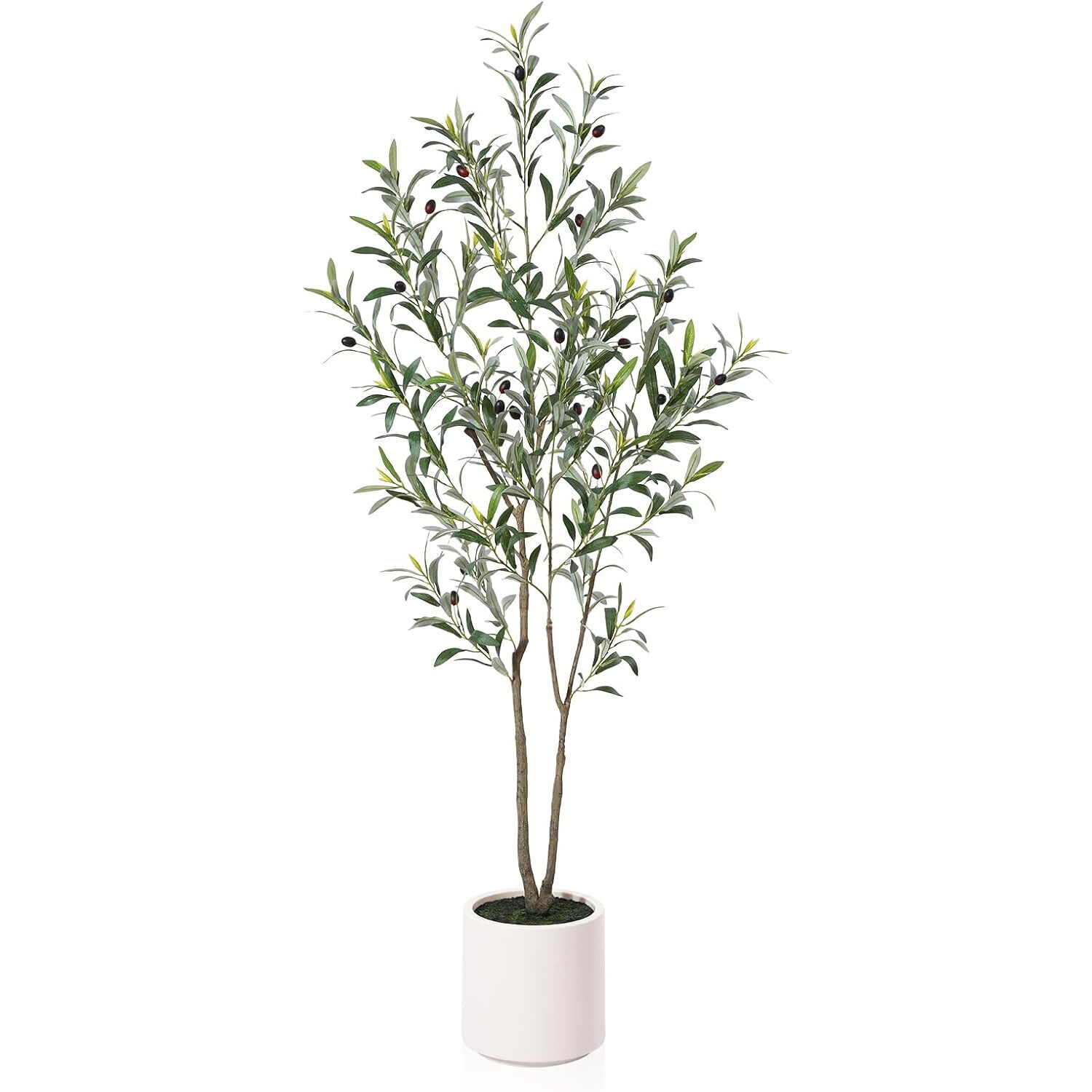
Advisory: three golden rules for selecting partners and processes
1) Prioritize traceable testing: insist on lab reports for UV ageing and materials testing tied to batch numbers. This short-circuits disputes at inspection points and supports duty classifications. 2) Lock in customs strategy early: agree on HS codes, valuation method, and whether shipments will be FOB or DDP, then document it in purchase orders. 3) Design out risk: mandate non-organic packaging, clean-pallet policies, and pre-shipment inspection photos or videos. These three metrics—traceability, customs alignment, packaging hygiene—predict on-time delivery and minimize unexpected costs.
Closing synthesis and practical next steps
Manufacturers that treat customs and phytosanitary rules as engineering constraints—rather than red tape—win consistent access to major markets. Implement traceable material testing, embed customs strategy in procurement, and eliminate organic exposure in packing. The result is predictable lead time and fewer disruptions at global chokepoints like major shipping lanes.
Sharetrade aligns sourcing and compliance so your next container clears the border, not the desk—fast, factual, and built for scale. —Final thought: systems beat excuses.