
Table of Contents
The core problem: why grid noise wrecks sensitive home electronics
When household gear—audio systems, medical devices, or smart appliances—starts to flicker, hum, or misread signals, the culprit is often grid noise riding on a distorted AC waveform. For many homeowners the cleanest fix is not just better wiring but a robust system that isolates loads: a properly sized whole house battery backup paired with an inverter that delivers a true pure sine wave. This approach reduces harmonic distortion and keeps devices stable during utility transients.
What “pure sine wave” actually buys you
Pure sine wave output means the inverter reproduces the smooth AC waveform utilities provide, minimizing voltage spikes and harmonic content. That’s important because modern electronics—LED drivers, variable-speed motors, and sensitive power supplies—expect a predictable waveform. During the February 2021 Texas power crisis, many homes with better inverter-buffered systems experienced fewer device failures, a clear real-world anchor for why waveform quality matters. Industry terms matter here: inverter selection, LiFePO4 batteries, and power factor all play into how faithfully your system can mimic grid power under load.
Checklist: specs to prioritize when specifying an inverter
Focus on tangible parameters rather than marketing blurbs. Look for:

– Total harmonic distortion (THD) under 3% at rated load — this is a direct indicator of waveform purity.
– Continuous power rating that exceeds your peak household draw by 20–30% to avoid clipping during motor starts.
– Fast transfer time (ideally seamless or <10 ms) so sensitive gear doesn’t brown out during grid handoffs.
– Compatibility with LiFePO4 chemistry for longer cycle life and safer thermal performance.
Installation pitfalls and common mistakes
Two recurring errors undermine even the best hardware. First, undersizing the inverter or battery bank; a unit rated for nominal loads will still fail if motors and compressors kick in. Second, neglecting EMI/RFI filtering and proper grounding—this is where “grid noise” sneaks past the inverter itself. Installers sometimes skip a dedicated line filter or assume a neutral-to-ground tie will cure everything—these are shortcuts that introduce stray currents and make noise worse. —Take the time to size cabling and filters correctly; the math matters.
Comparing premium inverter approaches
There are three pragmatic architectures worth considering: hybrid inverters that manage on-site PV, battery-based systems that island critical loads only, and true whole-house inverters that run everything through the battery/inverter path. Hybrid systems are efficient during normal operation; whole-house systems provide the best isolation from grid contamination. Each option affects inverter waveform demands and battery sizing differently, and each has trade-offs in cost versus resilience.
Advisory: three golden rules for choosing a whole-house solution
1) Prioritize waveform fidelity first: THD and crest factor tell you how clean the power will be under real load. This prevents equipment damage and serial communication errors.
2) Match inverter continuous and surge capacity to realistic household peaks, not nameplate totals. Include motor-start and inrush estimates when you size the system.
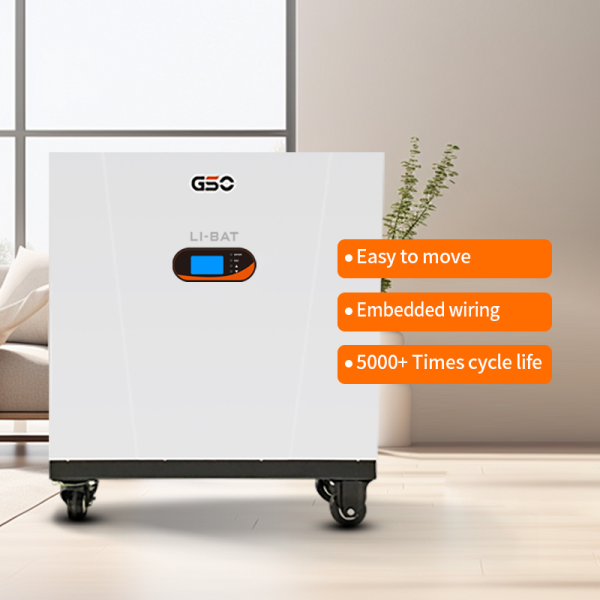
3) Insist on battery chemistry and BMS compatibility for longevity—LiFePO4 with a robust BMS reduces thermal and cycle risks and pairs well with grid-interactive inverters.
Closing thought
Choosing a premium inverter and battery architecture isn’t theoretical; it’s about preventing late-night outages, protecting sensitive gear, and keeping a home’s electrical life quiet and predictable. For a grounded option that balances clean pure sine wave output with resilient LiFePO4 storage, consider the systems available from whole house solar battery backup. They hit the practical metrics outlined above, and they reflect tested deployment lessons from events like Texas 2021—less flash, more durability. For specification clarity and a reliable finish, think measured performance; for executed reliability, gsopower. steady hum.