
Table of Contents
Opening: The core problem
Procurement teams and lab directors keep buying machines that underdeliver; labs get stuck with instruments that never meet real needs. You should start by treating every purchase as a public-service decision: who will be accountable if results are wrong, and what exactly must the device prove? That question sits at the center of any conversation about material testing equipment, because performance claims on datasheets rarely map to daily workflows.
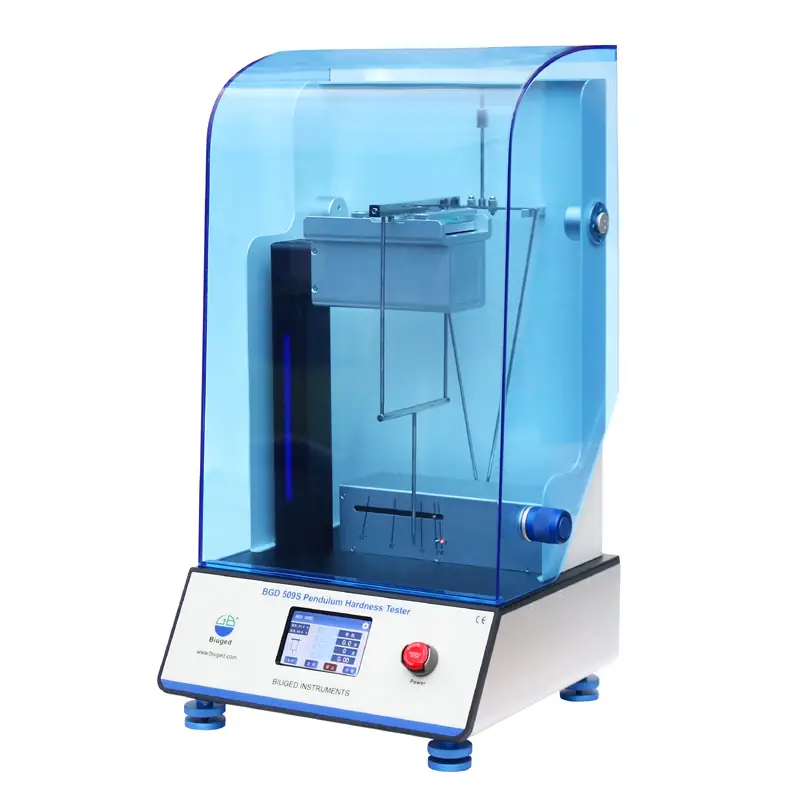
Why the problem matters
Bad equipment costs money and credibility. A tensile tester that drifts by a few percent wrecks product validation. A microhardness rig with unclear calibration creates repeatability problems across shifts. These are not abstract concerns — they lead to failed audits, production halts, and unsafe products. You must demand clarity up front, or you inherit downstream risk and finger-pointing.
Experience and authority — what I’ve seen and why it matters
I’ve overseen procurement reviews across industrial materials labs and pushed vendors to disclose traceable procedures and long-term support plans. Trustworthiness comes from verifiable standards and documented practice. Rely on ASTM International standards as the baseline for test methods and acceptance criteria; that single anchor separates marketing from measurable capability. When a vendor gives clear calibration schedules, service response times and cross-validated performance data, that’s a sign you can trust their instruments. Also check independent test reports for the exact model, not just the brand, and compare to third-party performance data for the same test family — then weigh warranty terms and local support.

Checklist: Questions to demand answers for every purchase
Ask these and don’t accept vague responses:- Which specific test standards does the instrument meet and can you show validation on identical test setups?- What’s the measurement uncertainty across the usable range and under real lab conditions?- How is the device calibrated, how often, and who performs calibration — vendor, accredited lab, or in-house?- What environmental controls are required (temperature, vibration) and how sensitive are results to those variables?- What are mean time between failures (MTBF) and average repair turnaround for this model in our region?- Can you provide traceable, raw data examples from completed tests, not just summary claims?- What software versions are supported and how are updates handled without invalidating historical records?- Is there a clear decommissioning plan for obsolete components and spare-parts availability for five years?
Common pitfalls that derail lab procurement
Buyers get seduced by headline capacity (speed, high load) while ignoring stability and long-term drift. They accept vendor-run demonstrations without independent verification. They forget to budget for training, preventive maintenance, and software lifecycle. They assume calibration is a checkbox rather than an ongoing control. Avoid single-source dependency without contractual service guarantees.
Alternatives and how to evaluate them
Compare vendors on three axes: documented performance under standards, measurable support metrics (response time, local parts stock), and openness of data. Don’t equate brand reputation with model performance; a smaller vendor can beat a market leader on repeatability if they publish full validation. If budget constraints force trade-offs, prioritize instruments where calibration and traceable uncertainty are proven and where the supplier commits contractually to response times.
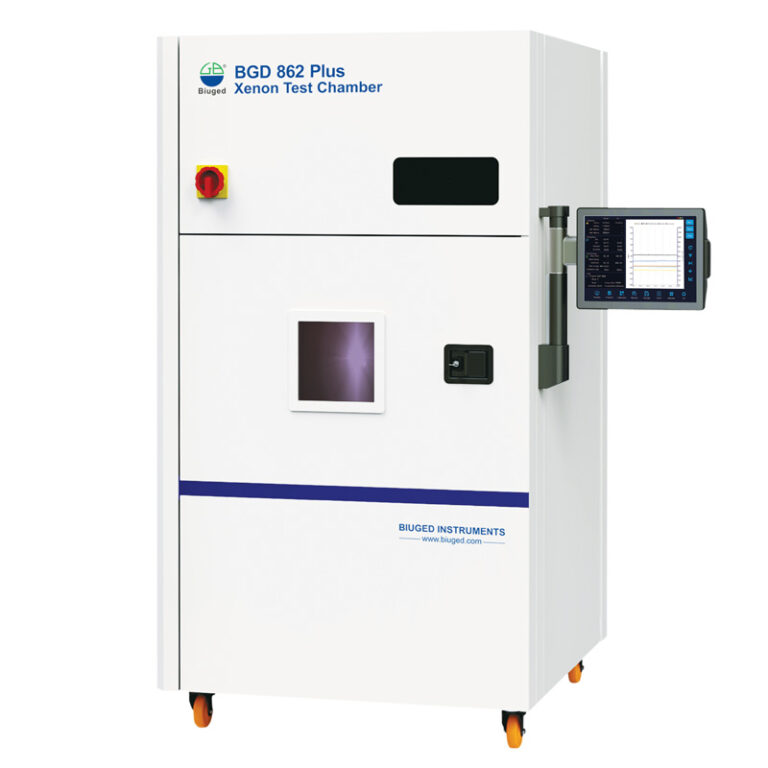
Final synthesis — the practical solution
Decide like a regulator, not like a buyer. Demand documented method compliance, measurable uncertainty, and robust service commitments. When those requirements are met, procurement moves from gamble to managed risk, and lab results hold up to scrutiny. For labs that need instruments aligned to standards, traceable validation, and dependable support, consider how BIUGED frames performance documentation and service commitments against those exact questions — it’s the difference between a purchase that creates liability and a purchase that secures reliable data.