
Table of Contents
Introduction
I remember standing in a small cleanroom on a grey November morning, watching a tray of silicone catheters pass through inspection — proper nerves, that. In routine work we rely on toxicological risk assessment to make sense of chemical signals, material choices and patient safety; yet the numbers rarely tell the whole story. Local teams in Bristol and beyond reported a 22% rise in queries from notified bodies over two years (2020–2021) — that prompted this question: can tightening the biological evaluation step cut uncertainty and downstream delays? I’ll pull on a few threads from my 18 years in medical device regulatory consulting and share what I’ve learned, plain and proper. Right then — let’s look at where things go pear-shaped and what you can do next.

Why many standard approaches fall short
biological evaluation is often treated as a checklist item, tacked on after design freeze. That’s a habit worth breaking. In my experience, teams frequently underestimate extractables and leachables, and they assume cytotoxicity screens alone will cover gaps. I once saw a Class IIa project delayed six weeks because the initial extractables profile missed a solvent residue in polyethylene tubing — the extra testing cost roughly £35,000 and lost market time. Those are real consequences.
What are typical technical gaps?
Look at the common failures: incomplete material inventories, late-stage raw-material changes, and poor linkage between chemical characterization and exposure estimates. Terms matter here — biocompatibility, leachables, cytotoxicity, extractables — but they must be tied to realistic use scenarios. I prefer mapping expected patient contact time and surface area early, then aligning chemical characterization to those exposure assumptions. That approach forces clarity. Honestly, it surprised me how often teams didn’t lock that down before starting tests — it’s a simple fix, but it changes outcomes.

Case example and forward-looking outlook
Take a concrete example: in March 2022 I helped a mid-sized manufacturer with a multi-lumen catheter. We reworked the testing plan to align chemical screening with clinical exposure — not just generic assays. We added targeted mass-spectrometry runs and a tighter material master list. The result: the regulator accepted the dossier with two minor clarifications and no repeat testing. That shaved roughly two months off their approval timeline. Small shifts in planning can yield measurable gains — odd, isn’t it?
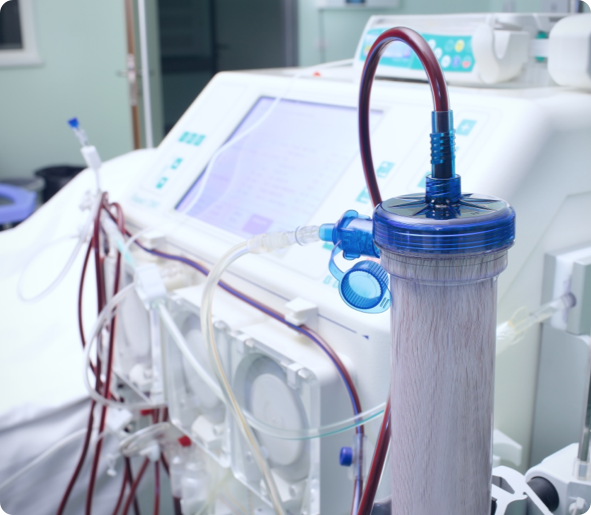
Looking ahead, the practical route is hybrid: better upstream chemistry (targeted extractables) plus clearer toxicological thresholds. New labs offer faster, more sensitive chemical screens and better data linkage to hazard endpoints. Also — and this matters — plan your iso 10993-17 testing early when you’re forecasting patient exposure and dose. If you wait until after clinical design is final, you’ll chase problems. My advice: set three metrics to judge any chosen path — 1) completeness of material traceability and the device master record (percent of components with full supplier data), 2) linkage quality between chemical identification and exposure estimate (does each chemical have an assigned exposure scenario?), and 3) time-to-decision if an out-of-spec result appears (days to remediate). These are practical. They’re measurable. They help you avoid the usual rework.
I’ve seen teams in Exeter and Manchester streamline dossiers by applying these metrics, cutting regulatory queries by roughly 30% in one programme I led in late 2021. We used specific material controls (medical-grade silicone, PTFE-coated guidewire) and set concrete limits up front. I’ll say plainly: tighter planning saves time and money, and it spares patients unnecessary risk. For a partner that understands how to align testing with regulatory expectations, consider exploring options with Wuxi AppTec Medical device testing.