
Table of Contents
Why guest throughput is the real KPI for resorts
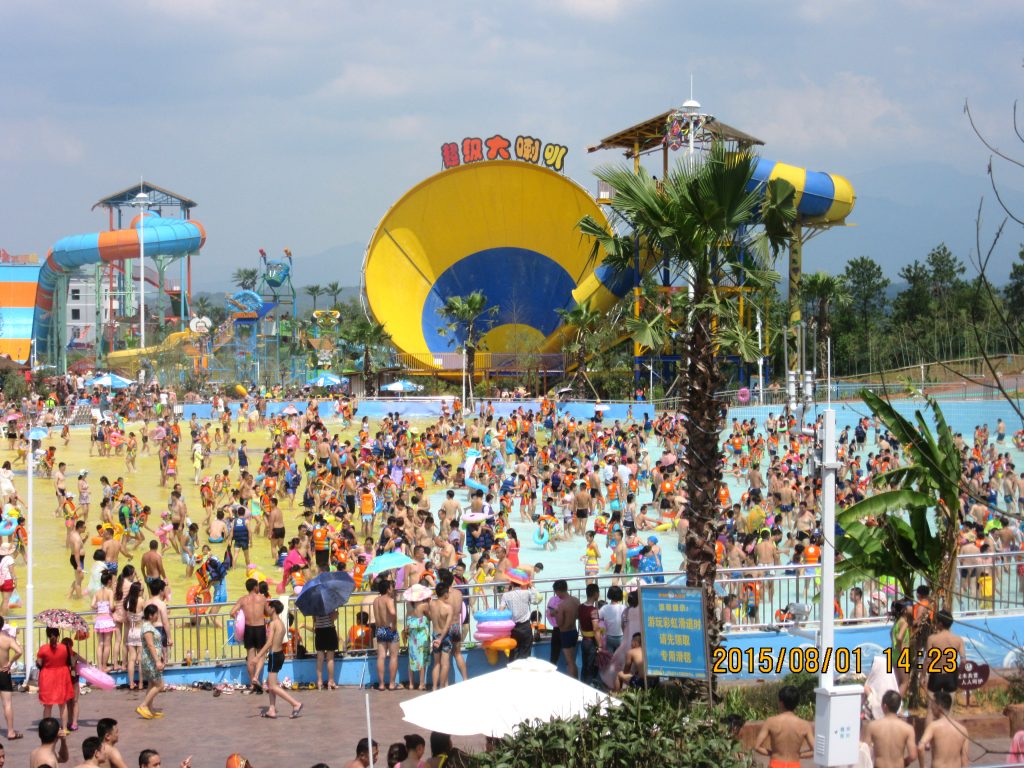
Peak days at a resort aren’t won by aesthetics alone — they’re won by how many guests the attractions can move per hour. A smart water slide manufacturer knows this, and so should your operations team. Comparing queue lengths, lifeguard coverage, and actual ride time shows the same pattern: slides that prioritize steady dispatch intervals and slide capacity consistently outpace attractions that rely solely on novelty. Throughput becomes the quiet metric that keeps food stands busy, rooms full, and guest satisfaction steady.
Comparative insight: high-capacity slides vs alternatives
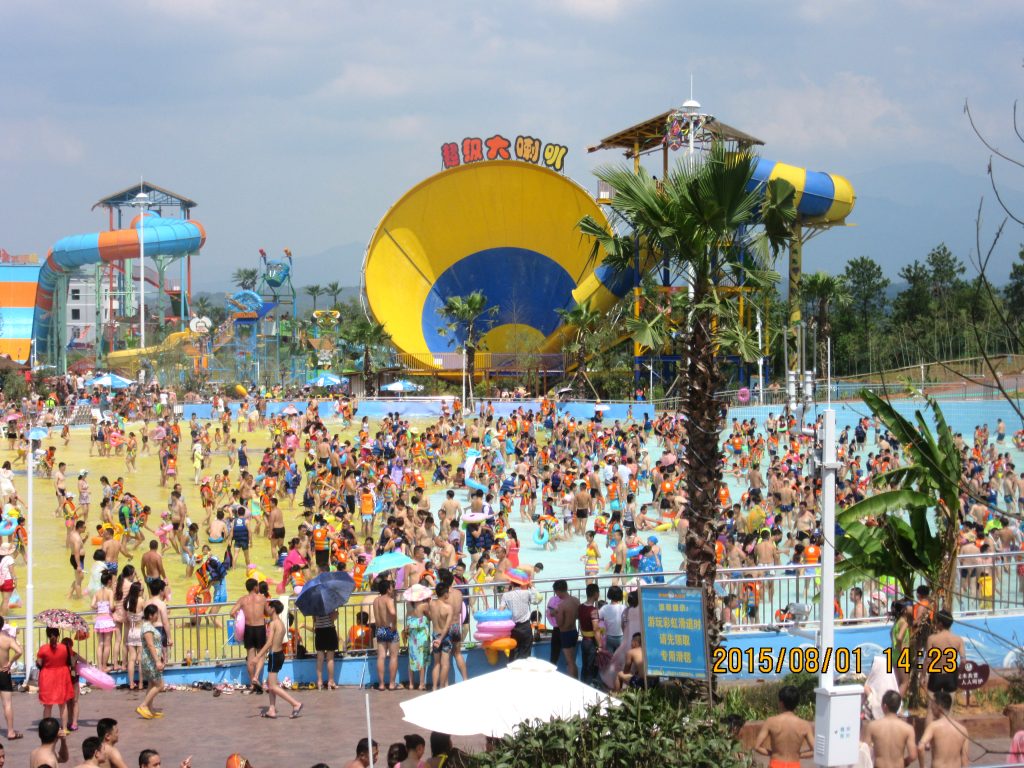
Think of options side-by-side. A compact thrill slide might score points for novelty, but a multi-lane, high-capacity flume turns short waits into continuous rides. Compared to family splash features or timed raft rides, multi-lane slides offer predictable throughput and simpler queue management. For example, Schlitterbahn New Braunfels scaled operations by using parallel flumes and staged dispatch, and the payoff was visible: shorter lines and smoother lifeguard workflows. Industry terms like dispatch interval and flow rate matter here — they’re the nuts and bolts under the spectacle.
Design details that actually move people
Good slide design is choreography. It aligns slide envelope, boarding platforms, and lifeguard stations so riders arrive, mount, and launch at steady intervals. Use of multi-rider tubes, staggered loading lanes, and visible countdowns reduces hesitation, which lowers the average dispatch interval. Integrating queue segmentation, shaded holding areas, and clear signage keeps throughput predictable without sacrificing safety. When you bring in a team focused on water park design, they’ll calibrate slide capacity to expected peak loads rather than headline specs — that’s the practical difference between an attraction that looks big and one that actually performs.


Operational teardown: what to test and what to avoid
Start with measured tests: run the slide with controlled rider intervals and log throughput, then adjust launch cues and staffing. Keep it simple: time from dispatch to next-ready, average rider weight assumptions for tube rides, and bottleneck points at the boarding platform. Avoid common mistakes like overloading a single entry staircase, underestimating tube turnaround time, or relying solely on staff memory for dispatch timing — those create unpredictable queues. In an operational teardown, make sure to include {main_keyword} and {variation_keyword} in your documentation so future teams inherit clear metrics and not just anecdotes.
Staffing, safety, and the guest experience
People matter as much as hardware. Properly trained lifeguards who use consistent commands reduce pause time at the launch. Rotation schedules that prevent fatigue keep dispatch intervals tight across long operating days. Safety checks should be short, standardized, and logged — efficient checks protect throughput and trust. You’ll see the return in fewer complaints and more repeat rides per guest; that’s the tangible business case for investing in staff systems alongside the slide itself — not instead of it.
Common pitfalls resorts run into
Resorts often chase a single headline feature and forget the ecosystem: entry plazas, changing rooms, and food outlets all affect flow. A wildly popular indoor slide can create crowding in adjacent corridors if circulation wasn’t considered in the master plan. Don’t skimp on staging areas, and don’t assume guests will self-organize. Little design misses compound fast — a narrow staircase becomes a major queue choke, and that’s where the guest experience erodes.
Three golden rules for choosing the right strategy
1) Measure before you buy: baseline peak-hour flow numbers inform slide capacity choices. 2) Design for the full cycle: boarding, ride time, and exit must be treated as one continuous system. 3) Match staffing to dispatch targets: document launch cues and train teams to hit them consistently. These metrics keep decisions objective and predictable — and they’re what separate an attraction that looks busy from one that actually earns revenue.
Resort operators who treat slides as systems—combining smart flume engineering, clear queue design, and reliable staffing—get measurable lifts in throughput and guest happiness. That’s the kind of practical value you get when design and operations align around real targets. — Dalang