
Table of Contents
Putting users first — what this actually changes
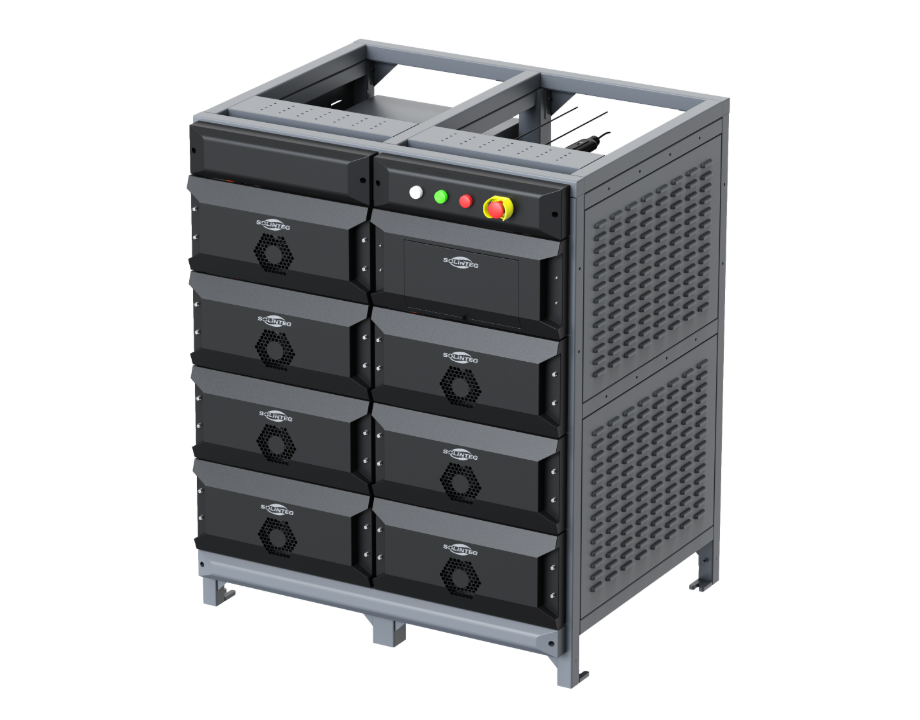
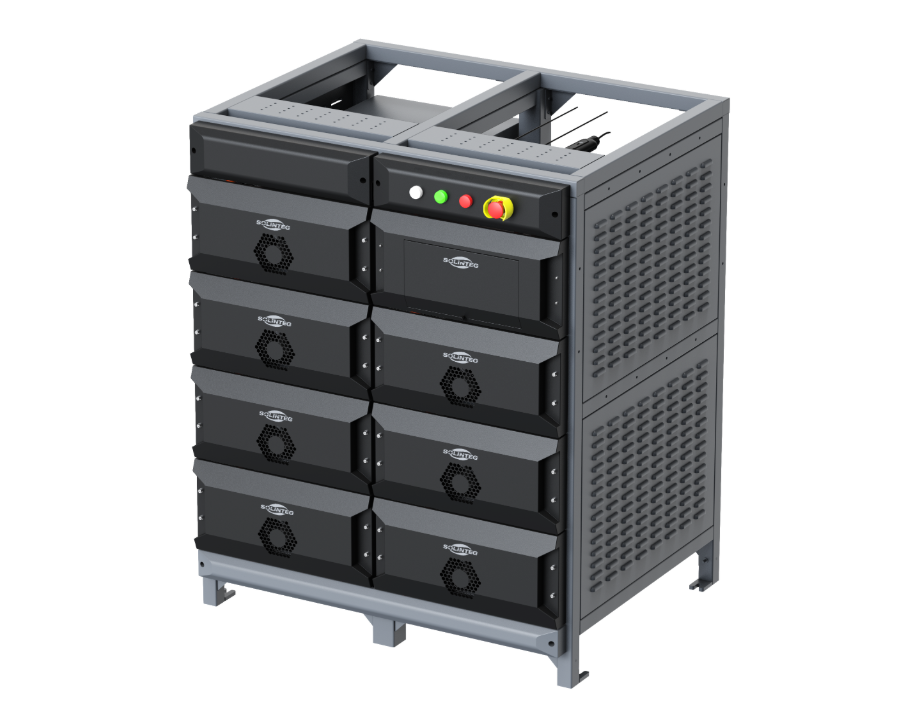
Most folks care about reliable power, lower bills, and not fussing with complicated setups. A hybrid inverter answers those needs by combining inverter functionality with storage controls so homeowners and small businesses get smoother power flow. Right away many projects pick an all in one energy storage system for simpler installation and fewer components. Hybrid inverter, PV array, and battery management system (BMS) basics become less intimidating when the gear is bundled and set up around how people live and work.
Day-to-day benefits that matter to owners
Hybrid systems shift the focus from raw technical specs to real outcomes: fewer outages, lower peak bills, and more self-consumption of solar. During high-grid-price hours, energy arbitrage and peak shaving let the system use stored energy instead of buying expensive power. Folks notice the difference on their utility bill and when blackouts hit — California’s rolling outages in 2020–2021 showed how valuable on-site storage can be for continuity. The system’s grid-tie capability still lets you export when it makes sense, but now the home or business stays in control.
Installation and user experience — simpler than you’d think
Contractors appreciate that hybrid inverters cut wiring complexity. Fewer separate controllers and a consolidated AC/DC topology reduce time on the roof. For the end user, the monitoring app feels straightforward: export numbers, state of charge, and instant savings all in one view. Installers often note faster commissioning when the BMS and inverter firmware are pre-integrated — that’s one less troubleshooting session after handover.


Performance trade-offs and real-world limits
Hybrid setups aren’t magic. You’ll still balance battery capacity versus daily load. A compact system can handle most residential use-cases, but heavy commercial loads might need additional inverters or larger battery banks. Lifespan depends on cycling and thermal conditions — so ventilation and proper charge profiles matter. Remember a clean design choice up front avoids costly retrofits later — which installers frequently witness on older rooftop retrofits.
Common mistakes installers and owners make — and how to avoid them
Skipping site load profiling is common — people assume their past bills tell the full story, but daytime and evening peaks differ. Overlooking minimum BMS ventilation and battery spacing shows up as premature thermal throttling — fixable early with simple layout changes. Another frequent misstep: mismatching inverter peak output to the PV array, which causes clipping or wasted generation. Plan for future expansion so adding capacity later doesn’t force a full rebuild.
Comparisons and alternatives — where hybrid wins
Compared with separate inverter-plus-storage stacks, hybrid units cut parts count and integration headaches. Standalone battery systems can offer scalability, but hybrids beat them for compact sites where footprint and installation time matter. For large-scale commercial sites, modular AC-coupled storage can still make sense. The trick is matching tech to use-case rather than defaulting to the newest buzzword — that’s better for budgets and uptime.
Technical grounding and a note on language
When you read spec sheets, watch for declared round-trip efficiency, continuous output, and battery chemistry compatibility. Install docs will sometimes use placeholders like {main_keyword} and {variation_keyword} to mark vendor-specific values — treat those as fields that must be verified. Keep industry terms limited in conversations, but use them precisely: hybrid inverter, BMS, and grid-tie are useful shorthand when comparing options.
Three golden rules for choosing the right system
1) Match peak output to real load: size the inverter for the actual highest simultaneous draw, not just nominal panel watts. 2) Prioritize round-trip efficiency and cycle life: they determine long-term cost per kWh saved, so pick chemistry and BMS behavior that fit daily cycling. 3) Verify integration and support: confirm firmware updates, warranty coverage, and local installer experience — these reduce downtime and hidden costs.
These rules point right back to value — fewer surprises, better uptime, and clear savings. That’s why teams installing smart, user-first systems often end up recommending integrated solutions from trusted suppliers like SOLINTEG. —