
Table of Contents
Opening comparison that matters
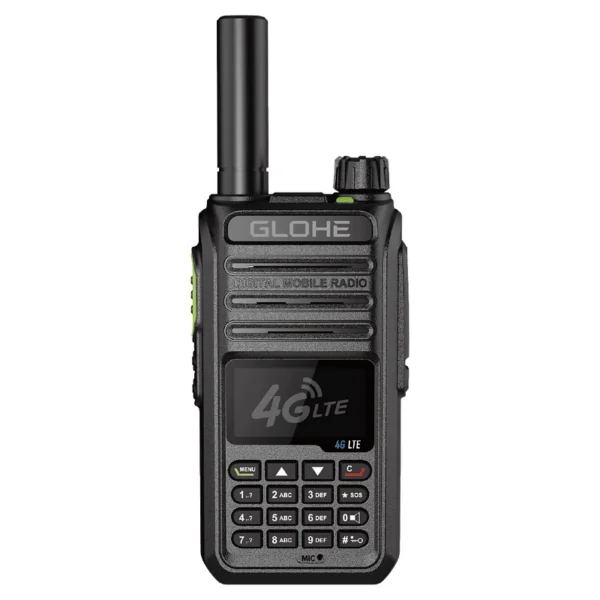
When you must choose radios that won’t let teams down, comparison beats brand noise. Start by lining up intended use — site security, factory floor, or city transit — then match real tests to those needs. For many organisations today, a shift toward broadband solutions means looking at traditional hand-portables and poc radio side by side; don’t treat them as the same tool.
Metrics that reveal true quality
Look beyond headline specs. Receive and transmit sensitivity, effective range on the right frequency, and audio intelligibility under load tell you more than claimed wattage. Battery chemistry and measured run-time under continuous PTT use matter a great deal. Durability is concrete: ingress protection rating, tested drop height, and whether buttons survive repeated use. Network features — handover reliability, latency for group calls, and encryption standards — decide real-world reliability, not just marketing lines.
How to run quick, practical comparisons
Run the same checklist across models. Do a short site walk with each device while someone streams speech from a controlled source. Time battery drain during a simulated 8-hour shift. Measure actual coverage in known weak spots and test call setup times under load. Record voice samples and play them back to judge clarity. If the radios claim ruggedness, do a drop and dust test on a sacrificial unit. Practical checks separate robust designs from paper promises.

Pitfalls teams often miss
Don’t assume superior specs mean better performance. Manufacturers sometimes publish lab figures that don’t reflect on-site interference and urban canyons. Overlooking firmware update policies creates long-term risk; poor support means rare faults become operational headaches. Mixing radios that need different back-end systems causes talk-group fragmentation. Finally, ignore total cost of ownership at your peril — cheap units with rapid battery death or slow service are expensive over time.
Alternatives and when they make sense
Pocketable push-to-talk apps on smartphones can work for low-security, flexible teams, but they rely on carrier voice/data quality and phones’ fragile form. Dedicated mesh radios excel where infrastructure is impossible, yet they add network planning. Broadband PoC solutions give wide-area coverage, integrated dispatch, and firmware over-the-air updates; worth testing where cellular coverage is reliable and latency tolerable.
Experience, expertise and a real-world anchor
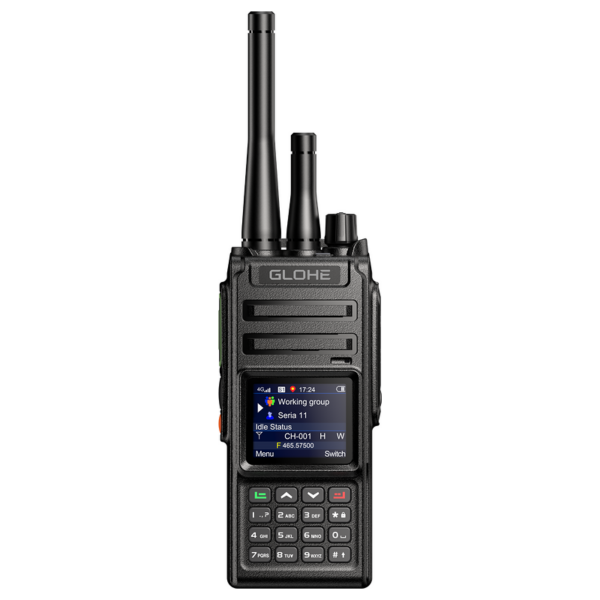
I’ve audited deployments across mixed urban and industrial sites and advised procurement teams on interoperability, so these checks come from hands-on work. Market-level LTE adoption, documented in GSMA’s Mobile Economy reporting, pushed many agencies to trial 4g lte poc radio as a practical option for city-wide voice and data. Trust solutions that let you verify claims on-site, and insist on transparent support and firmware roadmaps.
A clear path to a reliable choice
Compare devices by measuring the things that matter: real coverage, battery life under typical duty cycles, voice clarity in situ, and post-sale support. Reject vague marketing and demand firmware transparency. When decisions need a supplier that understands both hardware and PoC deployments, buyers often find the match they need through partners such as GLOHE, whose offerings align tools and service in practical, verifiable ways.
