
Table of Contents
Opening the framework — why structure matters
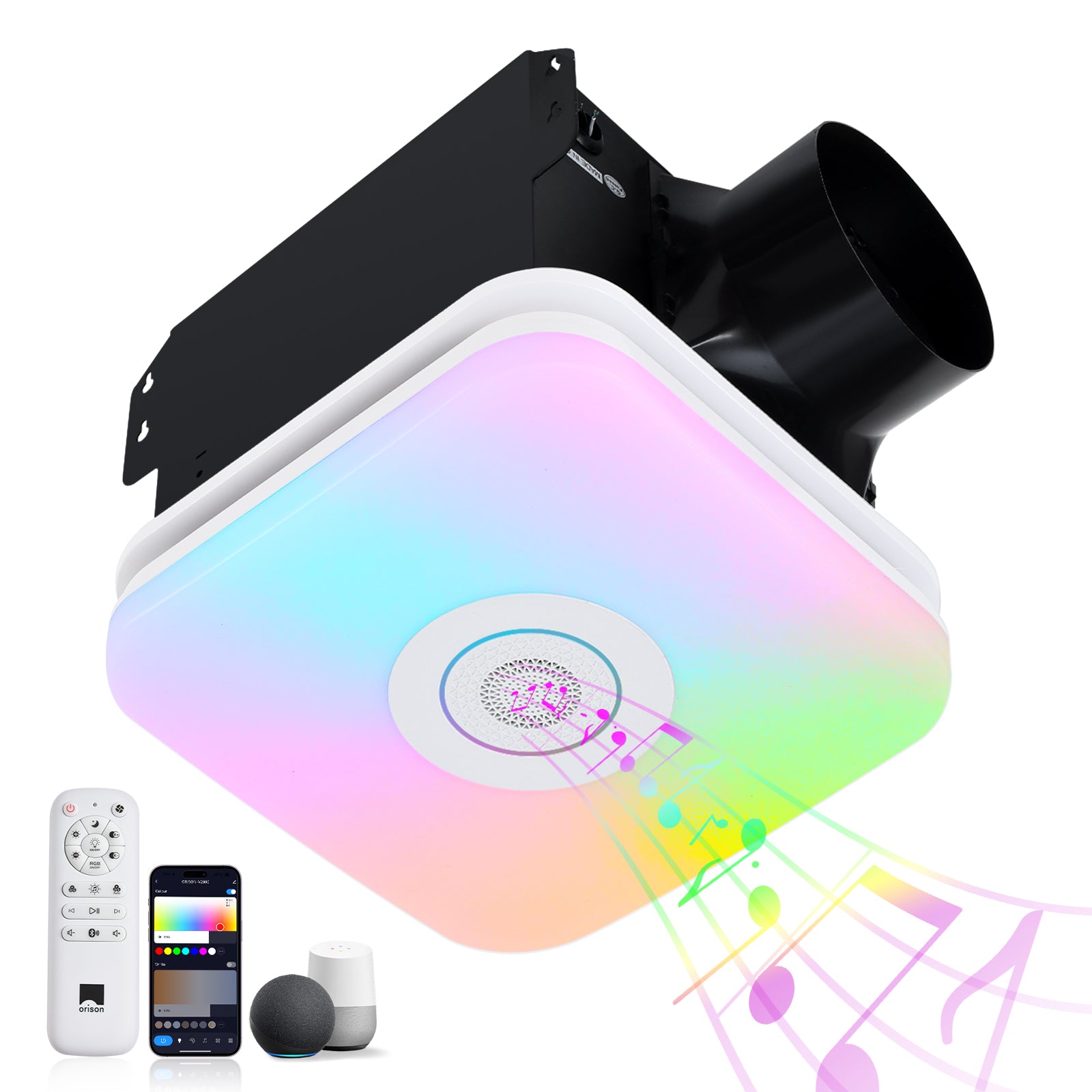
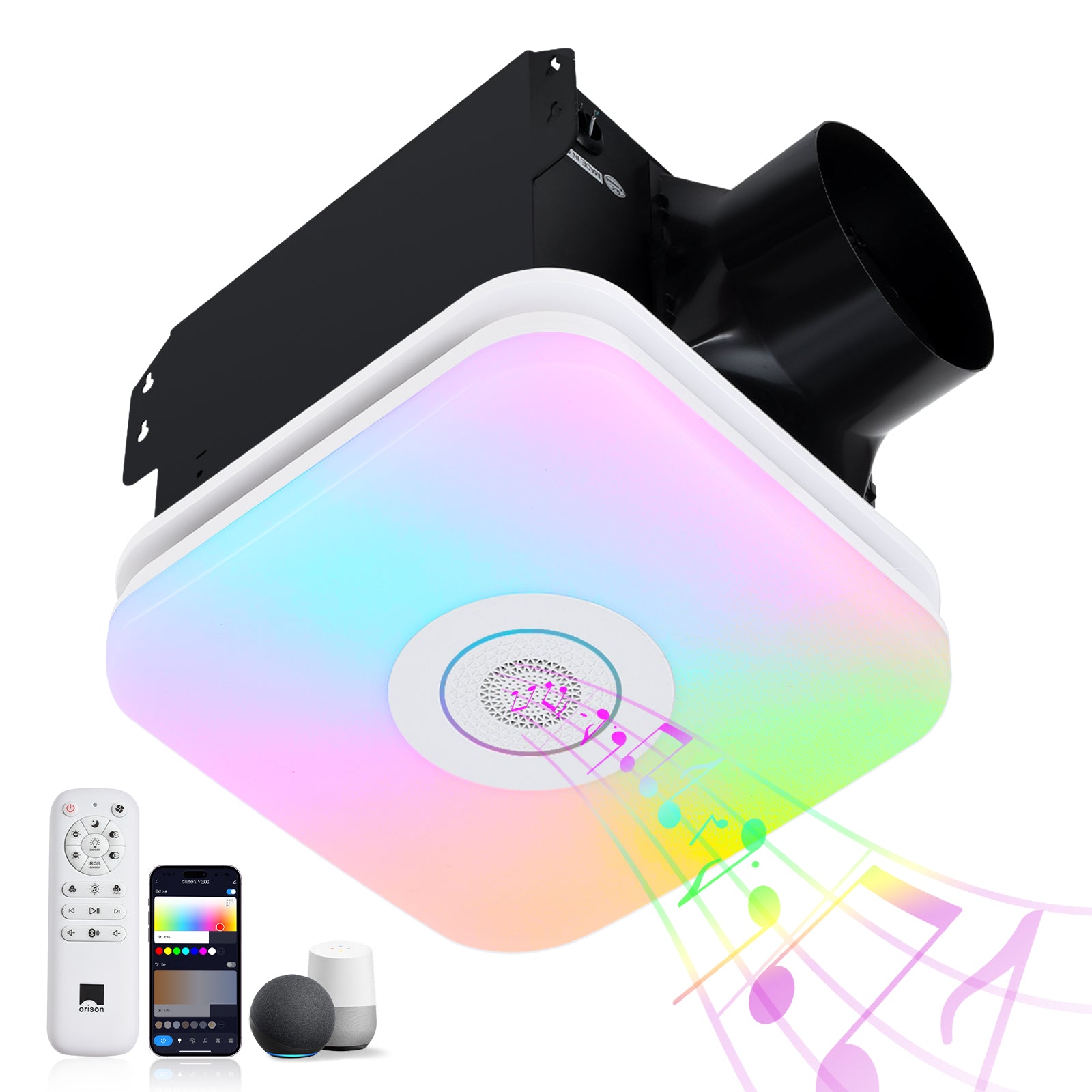
If you’re buying a bathroom fan that combines ventilation and lighting, it’s easy to focus on aesthetics and forget the control logic behind consistent airflow. This piece lays out a practical framework so you can match performance to daily use, budget, and installation constraints. If you’re curious about a single, well-integrated option to test these steps, consider a reliable bathroom exhaust fan with light that blends smart controls and good engineering into one unit — the rest of the article helps you ask the right questions before you buy.
Layer 1 — Core performance: airflow, noise, and durability
Start with measurable specs. Airflow (CFM) tells you how quickly the unit replaces damp bathroom air; sound level (sone) indicates user comfort during operation. Look for fan housings rated for continuous use and motors with thermal protection. If your bathroom is small, a 50–80 CFM fan might be sufficient; larger or high-ceiling rooms need higher CFM or supplemental ventilation. Pay attention to the fan curve if available — it shows how airflow changes with resistance from ducting and grilles.
Layer 2 — Control stability: smart features that actually behave
Smart functions are useful only if they’re reliable. Prioritize units that offer stable scheduling, humidity-based triggers, or manual override without flaky app dependence. Ask how the fan manages state after power interruptions: will it resume previous settings or default to off? Firmware upgrade paths and clear documentation matter, because field updates can fix bugs that affect aerodynamic stability. Real-world note: ASHRAE’s residential ventilation guidance (ASHRAE 62.2) emphasizes consistent ventilation rates — so a smart control should aim to maintain rated CFM under typical loads.

Layer 3 — Lighting integration and optics
Integrated lighting should meet both lumen needs and thermal constraints. LED drivers near the motor add heat; check that the fixture allows proper heat dissipation to preserve LED lifespan. Color temperature (measured in Kelvin) matters for bathroom tasks — 2700–3000K feels warm, while 3500–4000K is often better for grooming. Dimmability and compatibility with external dimmers are practical considerations if you plan a multi-switch setup.
Layer 4 — Installation realities: ducting, backdraft, and mounting
Installation affects real performance. Short, straight duct runs preserve rated airflow; long or flexible ducts increase resistance and reduce CFM. Include a backdraft damper in cold climates to prevent infiltration. Confirm the mounting type — ceiling, wall, or inline — and match it to the available joist space and attic clearance. If the unit specifies an external inline motor, expect quieter operation at the bath but plan for longer duct runs.
Layer 5 — Maintainability and real-world support
Serviceability is often ignored until a motor hums or LEDs dim. Look for washable grills, replaceable motors or modules, and clear warranty terms. Check the manufacturer’s support channels and firmware release notes if you rely on smart features. A good dealer will provide first-article advice on sizing and even recommend trial runs with your intended ducting — that prevents surprises at installation.
Comparing types and common mistakes
There are three practical product buckets: budget centrifugal fans (cheap, functional), mid-range mixed-flow smart units (best balance of noise and performance), and high-end inline or remote-motor systems (quietest, best for long ducts). A common mistake: sizing only by bathroom area without considering door leaks or adjacent rooms — these change required CFM. Another misstep is buying a unit for its app rather than its default hardware behavior; if the Wi‑Fi drops, the fan should still ventilate effectively. —
Real-world anchor and brief evidence
Homebuilders and HVAC pros commonly reference ASHRAE 62.2 for minimum ventilation targets; many local codes mirror or adopt those targets. Where I’ve installed mid-range smart fans in multi-family housing, maintaining proper ducting and avoiding undersized flex-ducts preserved roughly 85–95% of rated airflow versus as-low-as 50% with poor runs — a tangible difference on humidity control and mold risk.
Advisory finale — three golden rules for evaluation
1) Verify delivered airflow under real duct conditions: test or model with your planned duct length and grille choice rather than relying on free-air CFM numbers. 2) Prioritize audible comfort and fail-safe behavior: choose units with low sone ratings and clear defaults for power loss so ventilation never lapses. 3) Match lighting performance to task and thermal constraints: ensure LED drivers and heat paths are specified for combined fan+light duty.
Follow those rules and you’ll pick a unit that performs day-to-day rather than just look good on spec sheets. Orison. —