
Table of Contents
Why supplier choice changes the show
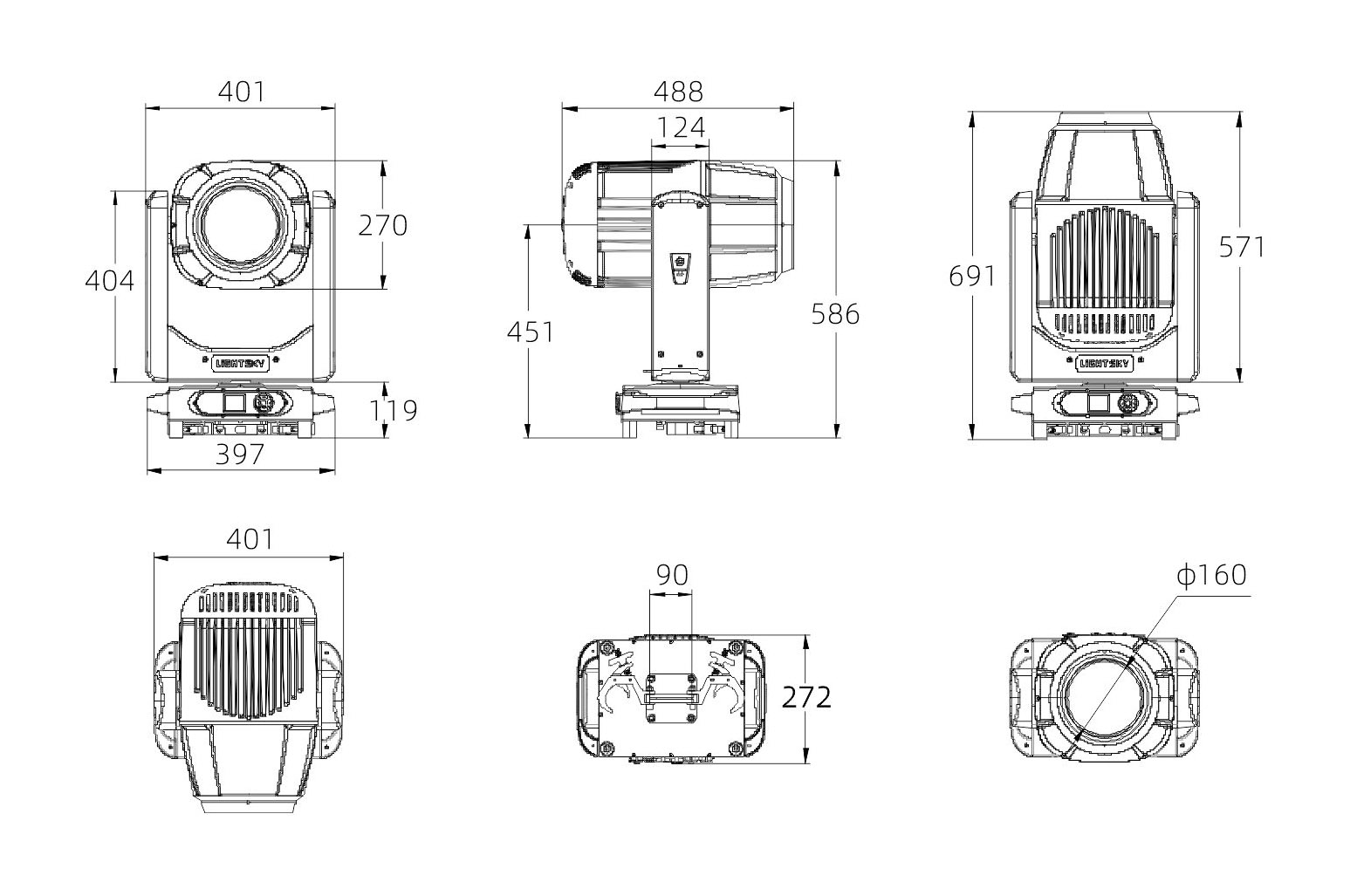
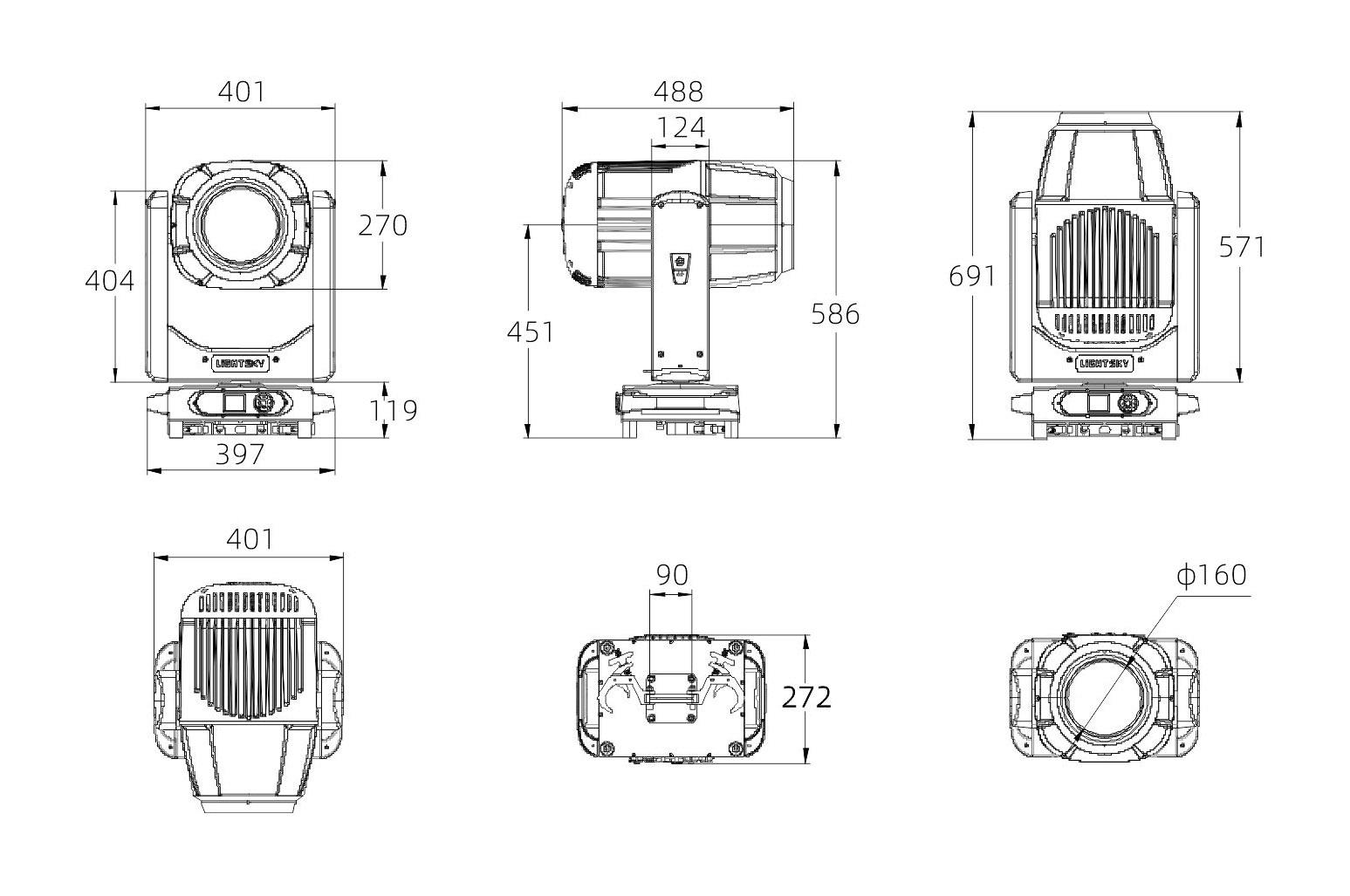
Choosing between suppliers is not just price versus specs — it changes what your audience notices. A compact, versatile fixture such as the 3in1 BSW moving head beam light shifts decisions from “can we get the look?” to “how efficiently can we reproduce it tour after tour?” Comparing beam output, fixture reliability and control protocol matters because those three factors determine rig time, power draw and crewing needs.
Spot comparison: moving head spot light versus multi-purpose fixtures
When you compare a dedicated moving head spot light against hybrid beam/wash/spot units, the differences show in focus, lumen density and gobo definition. Dedicated spot fixtures keep tighter beam angle and sharper gobo edges; hybrids buy you flexibility on a compact truss. Touring productions often pick hybrids to reduce truss weight, while theatre houses tend toward spot fixtures for character-driven lighting that requires crisp framing. DMX universes and the ability to patch fixtures across multiple consoles also influence the final choice.
Cost, lifecycle and operational realism
Upfront cost is only one part of the equation. Evaluate lifetime hours, LED decay, and mean time between failures. Modern LED fixtures commonly cut energy use by roughly half compared with legacy incandescent rigs, which reduces generator load for festivals and long-term electrical costs for venues. Consider maintenance windows and whether the supplier stocks spare PCBs, lenses or gobos — those practical service details shorten downtime and preserve show quality.

Control, colour and creative freedom
Control protocols and colour systems directly affect creative outcomes. A unit with a true CMY mixing system and accurate color temperature presets yields reliable skin tones and balanced stage washes; a precise zoom and beam angle range lets designers sculpt light without swapping fixtures. Integration with timecode and external tracking improves performer follow spots — a small investment in control often unlocks bigger creative returns.
Real-world anchor and proven use cases
Major touring companies—including high-profile circus and concert productions—rely on moving head spot light rigs to maintain visual consistency across venues of varying sizes. Cirque du Soleil touring shows and several headline festival stages have standardized on moving-head systems for that reason. These deployments show how fixture selection impacts rehearsals, rigging speed and audience experience at scale.
Common pitfalls and practical fixes
Teams often misjudge power distribution and weight loads — that creates costly delays. Another frequent mistake: choosing fixtures based solely on peak lumen specs without testing gobo clarity or color rendering in situ. — A quick on-site mockup with a few candidate fixtures saves days of rework later. Also, don’t overlook spare parts inventory; shipping a replacement beam module across borders can halt a tour.
Comparative checklist for procurement
Use a concise scoring matrix to compare candidates across these categories: photometric performance (lumens, beam angle), mechanical durability (IP rating, cooling), control features (DMX channels, Art-Net compatibility) and after-sales support (local service hubs, spare parts availability). Weight each category to fit your operation: touring rigs prioritize compactness and quick maintenance; fixed venues prioritise colour fidelity and longevity.
Advisory close — three golden rules for choosing a system
1) Prioritise real-world photometric tests over paper specs: validate gobo projection and beam uniformity in the venue. 2) Insist on serviceability — local spare parts and accessible electronic modules reduce downtime. 3) Match control capability to creative needs: if you need sub-second tracking or complex colour crossfades, ensure the fixture’s DMX resolution and color engine support that precision.

Proven selection reduces surprises and keeps focus where it belongs — on the performance. Light Sky. —