
Table of Contents
Introduction — a small scene, a question
I remember a friend in Taipei who bought a home red light therapy panel because her stiff shoulders would not let her sleep. She set it up on the kitchen table and tried to follow an online guide, but the results were inconsistent. In many clinics and startups I consult with, a red light therapy company will tell you about wavelength and power density, and they cite studies showing 60–75% improvement in short-term soreness (small sample sizes, yes). So here is my question: how do we turn those study numbers into reliable, everyday relief for people like my friend? (I think about this often — especially at night.) Next, I will walk through what often goes wrong and what we can realistically do about it.
Understanding the Flaws of Traditional Solutions
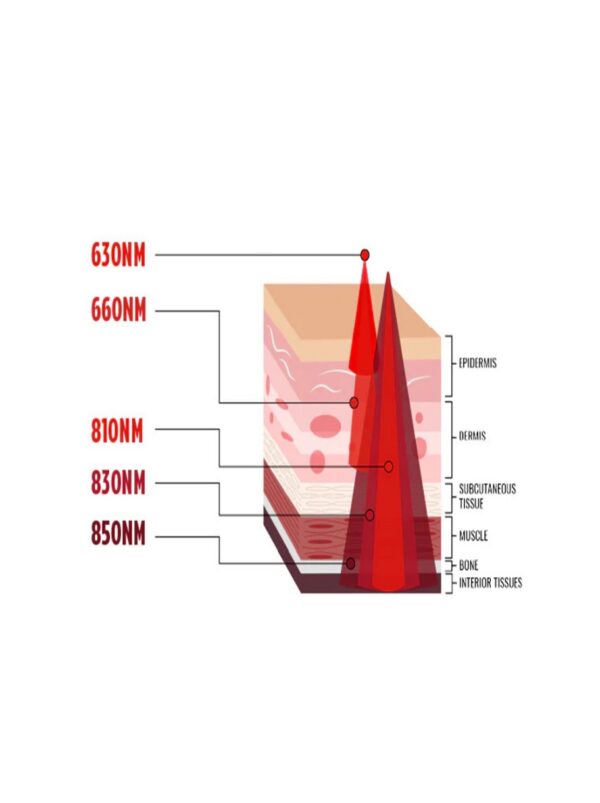
best red light therapy beds are praised in brochures, yet many clinics and products still repeat the same basic mistakes. I want to be direct: designers and engineers sometimes prioritize looks or marketing claims over consistent irradiance, proper wavelength selection, and meaningful fluence. The technical reality is this — photobiomodulation depends on controlled wavelength bands (often 630–660 nm and 810–850 nm), steady power converters, and even LED arrays. If any of these are off, users may get minimal benefit. Look, it’s simpler than you think: if the device cannot deliver consistent power density across the treated area, the therapy is uneven and results vary wildly. I have seen devices with hotspots, uneven spacing, and marketing language that hides actual irradiance figures.
So where do traditional systems fail in practice? First, they misunderstand how to measure dose. Clinicians often talk about session time, but they forget to account for distance and angle — both change effective irradiance. Second, product teams undervalue thermal management and edge effects; without good heat sinks and design, LEDs shift spectrum and output. Third, there is a mismatch between clinical protocols and at-home usage: patients rarely place themselves correctly or maintain consistent session timing. Those are user pain points — real, everyday frictions that reduce outcomes. I have worked on product trials where we had to redesign enclosures and control algorithms just to stabilize wavelength output. The result? Better repeatability and happier users — funny how that works, right?

Why do these problems persist?
Partly because of cost pressure and partly because testing standards are not universally enforced. We need clearer measurement protocols and honest specs. Until then, buyers should ask for irradiance maps, wavelength tolerances, and validated clinical protocols — not just glossy photos.
Future Outlook: What Comes Next for Therapy and Design
Looking ahead, I am cautiously optimistic. Designers are starting to pair engineering rigor with clearer clinical thinking. For products like the best red light therapy beds, the next wave will not be about brighter LEDs alone. It will be about systems thinking: integrating control firmware, better power converters, and user feedback loops so each session adapts to the person’s needs. In practice, that means devices that log usage, adjust pulse patterns, and recommend session length based on measured irradiance and user response. I believe this will reduce variability and make outcomes more predictable. — it will take time, but the pieces are here: solid optics, repeatable wavelength sources, and smarter software.
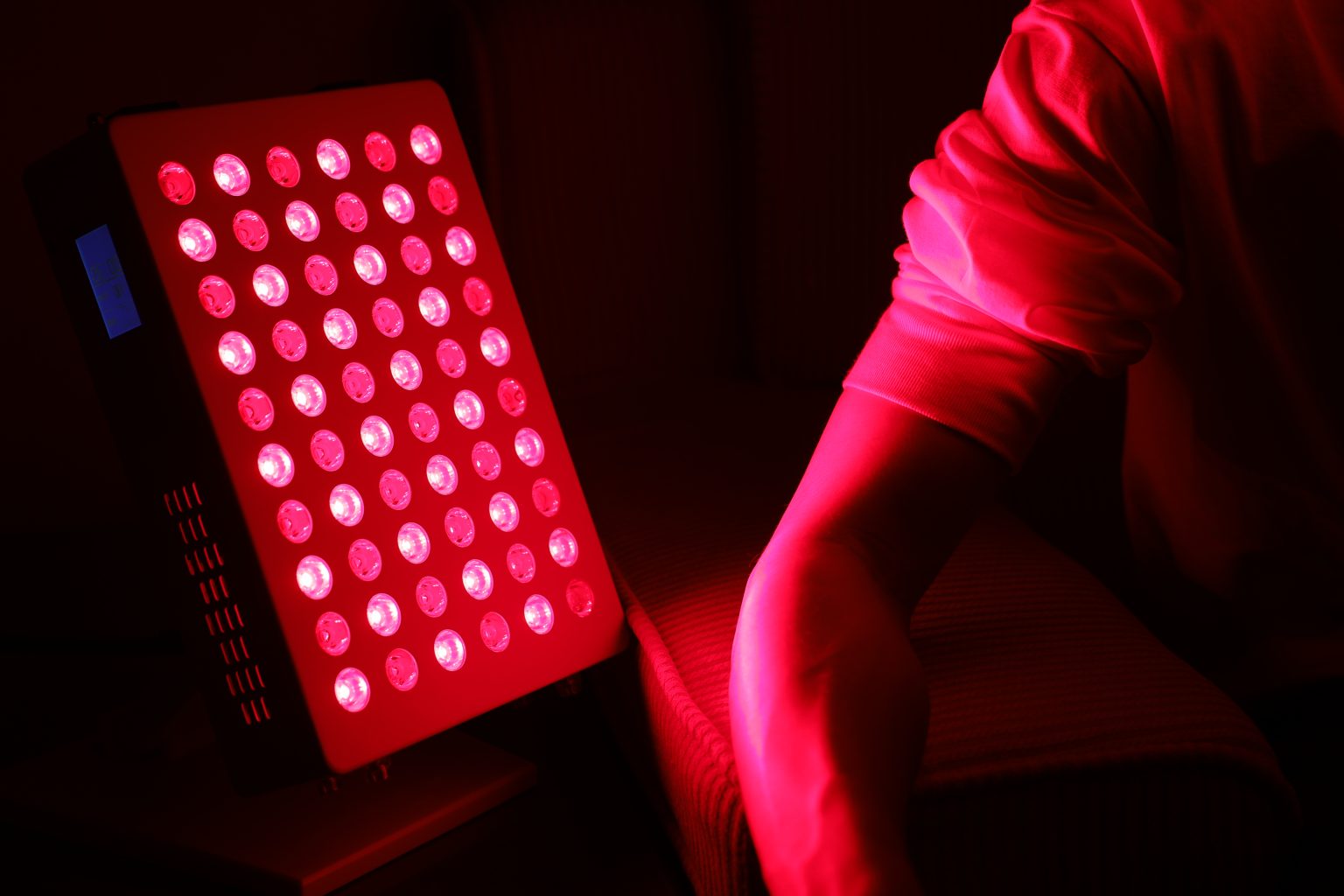
What’s Next? We will see more hybrid solutions. Clinics may adopt near-infrared panels with feedback sensors. Home units will include simple calibration steps and clear dosing metrics. We must also think about education: users need short, clear instructions that match clinical evidence. From a design view, ergonomics matters — how a user lies on a bed, where LEDs sit relative to joints, these are small details with big effects. We should measure more, not less. I recommend three evaluation metrics when you compare products: 1) verified irradiance at treatment distance, 2) specified wavelength tolerance and stability, and 3) documented clinical protocols or trials with comparable endpoints. Use these metrics, and you will avoid a lot of disappointment.
In closing, I want to be frank: I care about turning good science into good experiences. When we combine honest engineering with thoughtful design, people benefit — and I find that deeply satisfying. For anyone building or buying devices, keep asking for real data and sensible design choices. And if you want to learn more about a balanced approach, check out Magique Power.