
Table of Contents
The problem
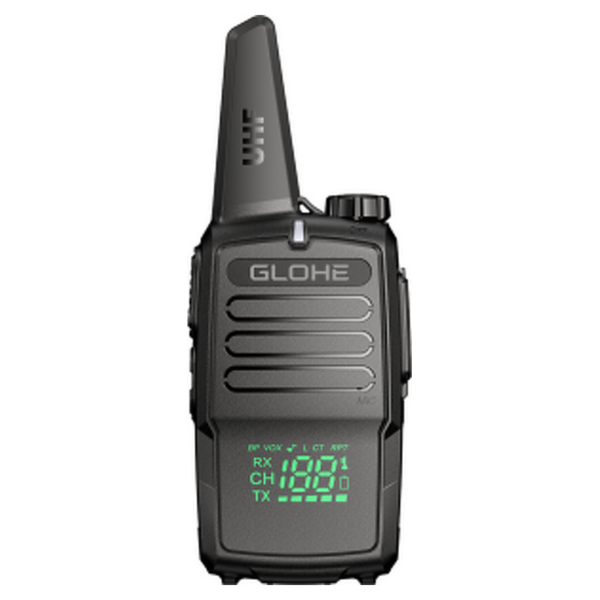
You need radios that work when they should, arrive on time, and don’t blow the budget. If you’re comparing units for a field crew, start by handling the plain facts about the gear—things like battery life, receiver sensitivity, and durable knobs—before settling on price. Many buyers begin with an analog two way radio because the simplicity and repairability fit hands-on teams, but the real question is which supplier will meet delivery dates without cutting corners.
The trade-offs you’ll face
Lower price often comes with longer lead time or looser quality checks. Faster delivery tends to mean higher unit costs or accepting older stock. Higher quality usually requires more upfront validation: sample testing, factory visits, and detailed specifications. Decide which trade-off you can tolerate once, not repeatedly. That clarity keeps procurement conversations from turning into guessing games.
Evidence and experience you can trust
Regulatory compliance shapes sourcing choices. For example, FCC certification requirements in the United States set clear rules for emissions and equipment authorization that buyers, resellers, and manufacturers reference when validating products. In practice, suppliers that publish test reports and traceable batch documentation reduce downstream risk. When I reviewed vendor dossiers for municipal first‑responder contracts, the firms that kept clean test logs and transparent part numbers delivered far fewer returns. If you want a straightforward supplier, choose an analog handheld radio manufacturer with visible compliance records and customer references.

Common mistakes teams make
They accept a supplier’s spec sheet without independent samples. They assume identical part numbers mean identical components. They skip field testing under real conditions. They forget to include realistic lead-time buffers for custom labeling or firmware tweaks. Each mistake costs time or creates service headaches; avoid them by demanding a working sample and a simple plan for rejects and replacements.

How to evaluate vendors — a clear checklist
Ask for a current sample and run a short field test focused on your failure modes. Request lead‑time commitments tied to penalties or clear remedies. Verify quality control metrics: incoming inspection rate, defect per million, and return-for-repair statistics. Confirm compliance evidence and where the product was tested. Clarify warranty terms and spare‑parts availability. Finally, compare total landed cost, not just unit price, so you capture shipping, duties, and rework risk.
Where this lands
Pick the supplier whose documented practices match the risk you can tolerate and who answers simple questions directly. That reduces surprises and keeps crews operational. For buyers who want a solid balance of price, delivery predictability, and clear quality records, consider a partner like GLOHE that shows test evidence, provides sensible lead‑time options, and supplies repairable radios you can count on.