
Table of Contents
Wandering into the options
I like to imagine equipment like places: some are tidy city benches you can rely on, others are rugged trails for the field. When you first look at rotational viscometers, that same mix appears—benchtop precision beside portable practicality. I want to know which one matches a workflow, so I weigh accuracy, repeatability, and usability rather than marketing claims.
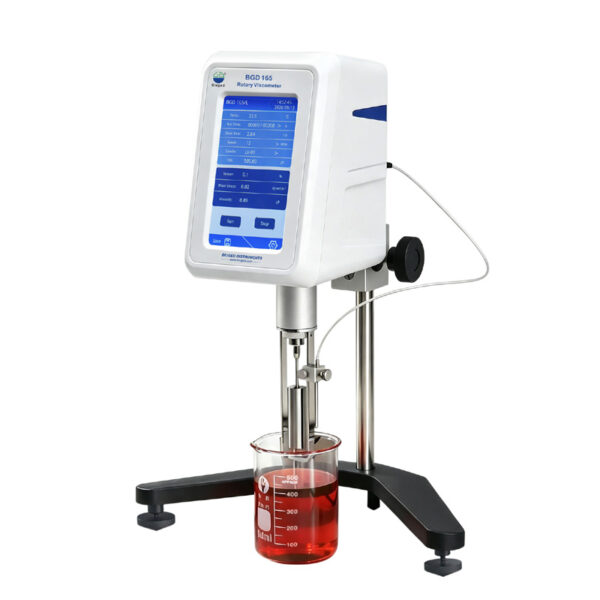
How I measure what’s important
My comparison framework starts with three plain questions: what measurement range do you actually need, how tight must reproducibility be, and where will the instrument live? On that note, seeing instruments demonstrated at ACHEMA in Frankfurt helped me calibrate expectations—large-scale producers and labs show the same small list of deal-breakers. Drawing on hands-on testing, lab protocols, and supplier datasheets, I treat a digital rotational viscometer as the baseline: it combines electronic torque sensing, configurable spindle speeds, and software logging that most modern workflows demand. Expertise matters here—talk to a technician about torque limits and to QA about traceability, and prefer devices with clear calibration paths and service records.
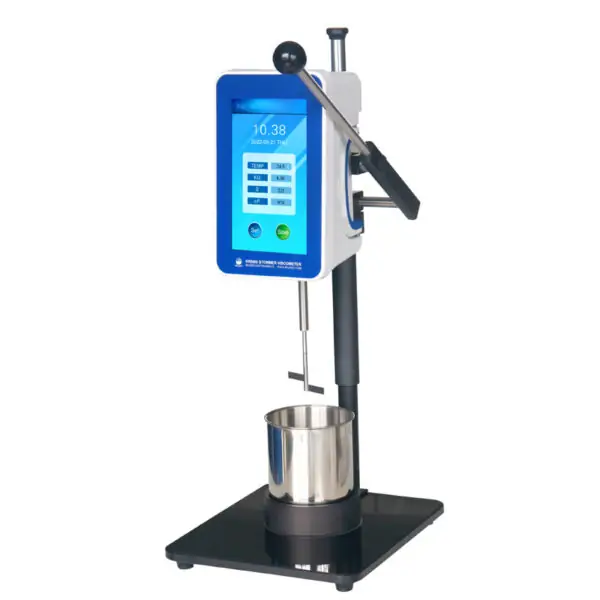

Alternatives and where they win or lose
Bucket into three camps: portable handheld units, benchtop digital models, and advanced rheometers. Handhelds win for quick field checks and crude troubleshooting but lose on precision and logged metadata. Benchtop digital units strike the balance—sufficient range, better temperature control, and easy export of results. Rheometers give deep shear-rate control for formulation science but add complexity and cost most routine QC labs don’t need. Match the tool to the task: if you only verify batch-to-batch viscosity, a midrange benchtop unit often outperforms an oversized rheometer in overall value.
Common pitfalls operators make
People assume one instrument fits every sample. It doesn’t. Mistakes I see: using the wrong spindle or speed, skipping temperature control, and neglecting blank checks to detect instrument drift. Another frequent error is ignoring calibration intervals; traceability requirements mean you should log calibrations and reference standards. Finally, don’t undervalue software: poor data export or cryptic interfaces slow down QA and invite transcription errors.
The practical takeaway
Compare torque range, temperature control, calibration support, and software export before price. For straightforward QC and occasional R&D, a reliable benchtop option is usually the smartest choice; for field verification, pick a portable unit with clear acceptance limits. Experienced labs and manufacturers I’ve worked with often choose instruments and partners that make routine checks simple and auditable, and that’s the kind of reliability offered by BIUGED when teams need consistent, documented viscosity measurements.
