
Table of Contents
Problem: Range claims vs. operational realities
Manufacturers publish maximum distances for active rfid tags, but field teams routinely find those numbers optimistic. The problem isn’t a single failure; it’s a pattern of unmet expectations that disrupts inventory counts, asset recovery, and live-location services. This piece examines the causes of that gap and describes how to plan realistic coverage rather than chase a headline range figure.
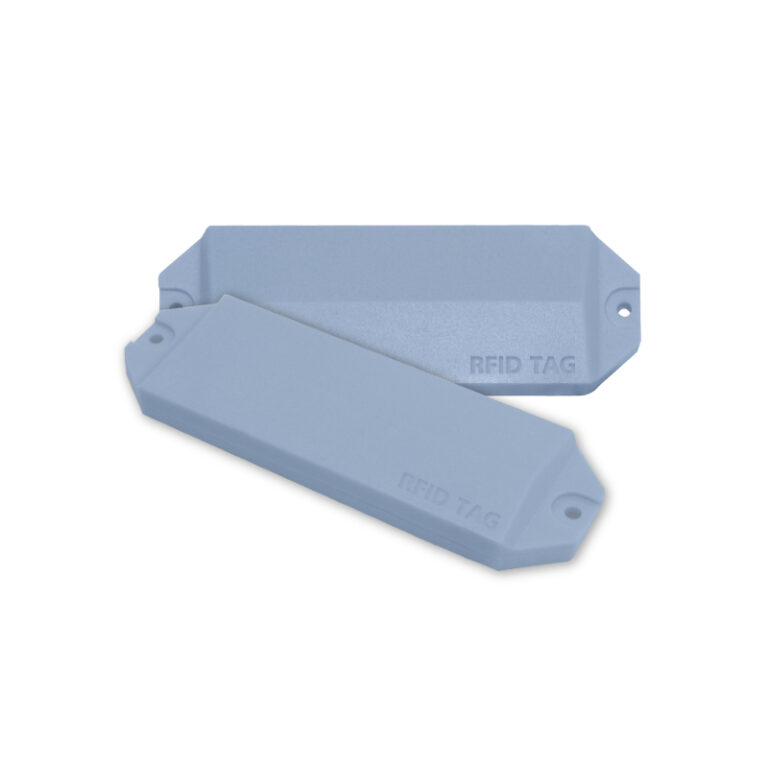
What determines usable range
Range is a function of measurable variables: transmit power, receiver sensitivity, antenna gain and orientation, operating frequency, and the radio environment. Higher transmit power and better antennas increase distance, but frequency behavior matters more than most readers expect—2.45 GHz penetrates materials less effectively than sub-GHz bands, so line-of-sight matters. Multipath from metal, human density, and machinery can create pockets of poor performance. Quantify each variable in your site surveys rather than relying on a single datasheet metric.
Common deployment mistakes
Teams often pick tags or readers based on a single number and skip site validation. They mount antennas without considering polarization or tilt. They assume uniform coverage and ignore handover zones where a tag oscillates between readers. Power management mistakes are frequent: tags set to long beacon intervals extend battery life but reduce real-time reliability. Ignore environmental testing at your peril—lack of testing is the fastest route to coverage shortfall.

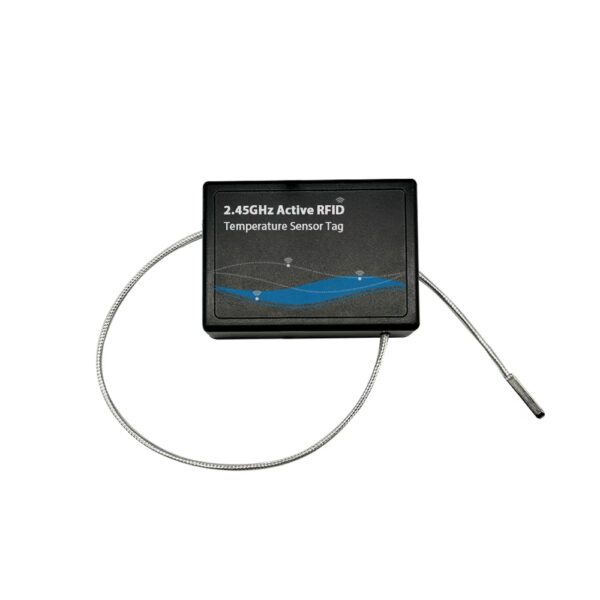
Trade-offs and alternatives
Active RFID gives longer read ranges and faster detection compared with passive RFID, but it costs more per tag and requires battery lifecycle planning. Low-power wide-area alternatives (LoRaWAN, NB-IoT) offer long-range telemetry but lack the short-range anti-collision and reader-driven polling benefits of active RFID. Bluetooth Low Energy is cheaper and widely supported, but its discovery behavior and power profile differ from purpose-built active tags. Choose technology against a clear set of operational criteria: read latency, detection probability, battery life, and per-unit cost.
Best practices for accurate range planning
Start with a physics-based link budget adjusted for worst-case obstructions. Map expected paths and create read zones rather than single-point distances. Use representative tags and readers during validation, and run tests across full operational cycles—peak human presence, stacked inventory, and reduced-power modes. Design reader placement for overlap so a single missed read doesn’t break location logic. Log failures and iterate settings: power, antenna, beacon rate, and filtering parameters all affect the final usable range.
Experience, evidence, and a real-world anchor
Field deployments in major logistics hubs show the gap between spec sheet range and operating reality. At ports such as the Port of Rotterdam, trials demonstrated that container metal mass and stacked density reduced effective 2.45 GHz detection distances compared with open-air tests; that empirical observation aligns with academic measurements on RF attenuation. For teams planning deployments, calibrated measurements of active rfid tag range in representative conditions are the best predictor of success. Professional site surveys, published conference papers on RFID propagation in industrial yards, and documented pilot results form a reliable evidence base to set expectations.
Practical checklist and pitfalls to avoid
Measure with production hardware, not evaluation boards. Avoid relying on a single “maximum range” test. Account for battery derating over temperature if tags operate outdoors. Plan for firmware updates that may change beacon behavior. Don’t over-interpret intermittent long reads; prioritize consistent detection probability in critical zones. Finally, document the assumptions behind any modeled range so future teams can reproduce and validate them.
Synthesis and operational conclusion
Real coverage depends on choices you control: frequency, antenna, placement, and testing methodology. Treat range claims as starting points, not guarantees. A measured approach—site surveys, representative testing, and conservative design margins—delivers dependable tracking and fewer surprise failures. That practical outcome is what organizations achieve when they align procurement and operations with rigor and vendor expertise, as demonstrated by solutions from RSTC.