
Table of Contents
A Near-Future Charge Scene
The next charge you take will feel like a handshake with the grid. At the core sits the EV charger power module, routing electrons with near-surgical precision. In this near-future curbside scene, a high-protection charging module watches the lines like a sentry—monitoring noise, heat, and surge as cars dock and go. Data piles up at edge computing nodes; power converters whisper between stations; the streetlight becomes an energy hub (quiet, yet alive). Bold claim? Maybe. But the numbers are here: more than 80% of urban charging is expected to be dynamic, load-shifting, and grid-aware. Look, it’s simpler than you think.
So, what fails first when the city hums and the weather flips? Why do some cabinets keep uptime while others blink out after a single spike? And which design traits separate “it worked today” from “it works every day”? Let’s compare the choices, and map what lasts to what’s next—step by step.
Hidden Pain Points in Traditional Modules
Where do legacy units stumble?
Start with stress. A legacy cabinet often treats surge, heat, and vibration as separate problems. In practice, they arrive together. A high-protection design treats them as one system-level risk. Thermal cycles hit solder joints; EMI bursts saturate filters; poor galvanic isolation lets faults echo across the DC bus. When users report “random resets,” it’s often noise coupling into a control loop—funny how that works, right? High-protection modules break that chain by integrating surge clamps, reinforced isolation, and tighter thermal paths. Think of coordinated safeguards rather than bolt-on fixes. Under brownout, smart derating keeps current steady instead of hard-tripping. Under salt fog or dust, conformal coatings and sealed housings keep leakage low. Even better, predictive health flags weak connectors before downtime. The result is fewer nuisance trips, cleaner CAN bus chatter, and less ripple stress on the pack. This matters in queues and fleets, where minutes stack into real cost. In short, the “pain” isn’t only failure—it’s drift: creeping heat, rising noise, and micro-outages that users can’t name but always feel.

Comparative Insight: New Tech Principles, Real-World Payoff
What’s Next
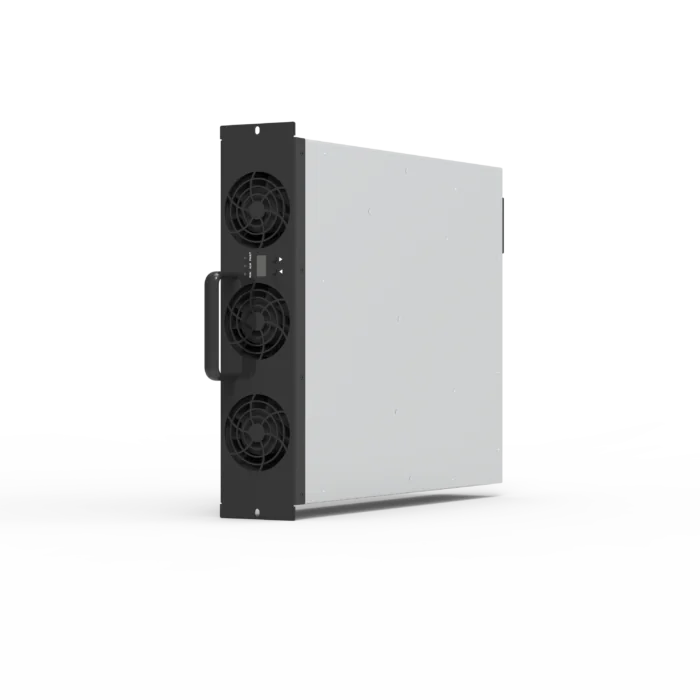
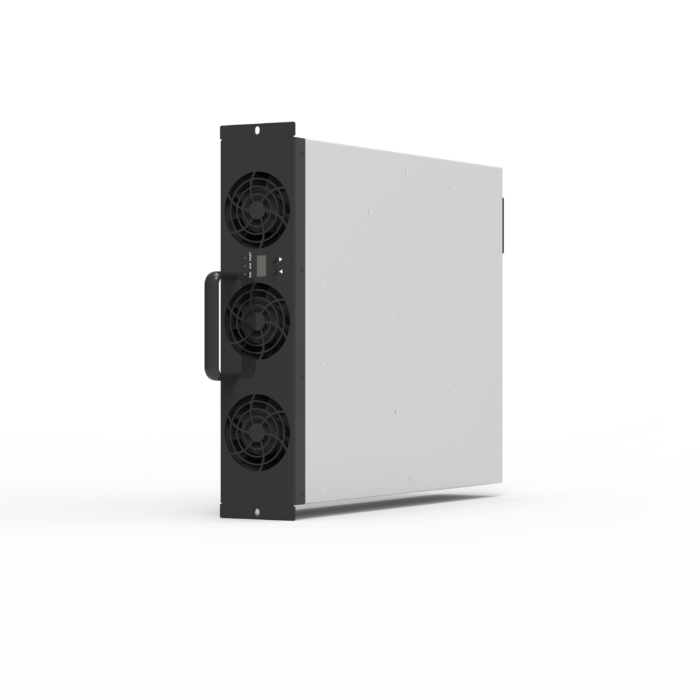
Now compare the engines under the hood. Older topologies chase stability by overbuilding margins; newer ones pursue control. High-protection designs lean on faster sensing loops and coordinated protection domains. SiC MOSFETs reduce switching losses, so heat sinks shrink and reliability climbs. EMI paths are modeled as first-class citizens, not afterthoughts. That means fewer surprises when a bus drops under a transient. The difference shows up in uptime—steady, boring uptime. Pair this with a production-grade unit like a 40KW charging module, and you see tight output control, graceful derating, and robust fault isolation. The cabinet stays calm during grid flicker. The car sees clean DC, even as neighbors start kettles and elevators. Small detail, big effect.
Let’s ground it in a near-term rollout. Picture 50 public chargers along a mixed-use boulevard. Traditional units share a pattern: seasonal heat shifts force current drops; surge events add ghost alarms; maintenance teams chase “no fault found.” The upgraded line swaps in high-protection modules with coordinated surge handling and better thermal pathways—plus firmware tuned for noisy streets. Call it a modular shield. After six months, logs show lower ripple, fewer resets, and tighter efficiency at partial load. Not magic—just systems thinking. And the user story changes too: drivers see stable times on the app, operators see fewer truck rolls, and grid partners see smoother demand curves. That is the quiet victory of design. — and yes, the least dramatic cabinet is often the best one.
If you’re choosing between platforms, use three quick metrics: 1) Protection coherence: do surge, isolation, and thermal controls work together, not alone? 2) Noise resilience: what are the measured EMI margins and CAN bus error rates under load? 3) Graceful behavior: how does the unit derate and recover during brownouts or rapid cycling? Measure these, and the right choice will surface. For a steady benchmark and deeper specs, see the ecosystem around winline EV charger.