
Table of Contents
Introduction: A Heatwave, a Dark Living Room, and a Better Way
I’ll start bluntly: outages don’t wait for your system to be ready. Residential energy storage systems should. Fifteen summers into my work as a retailer–installer across the Southwest, I’ve seen the same pattern: a family hits peak AC load, the lights flicker, and the inverter cries uncle. A modern battery energy storage system for home can carry that moment—if it’s set up with the right fundamentals and not just a glossy spec sheet. I design systems like I design scalable compute stacks: match the surge path, isolate the bottlenecks, and keep thermal headroom. Let me be plain—this is solvable.
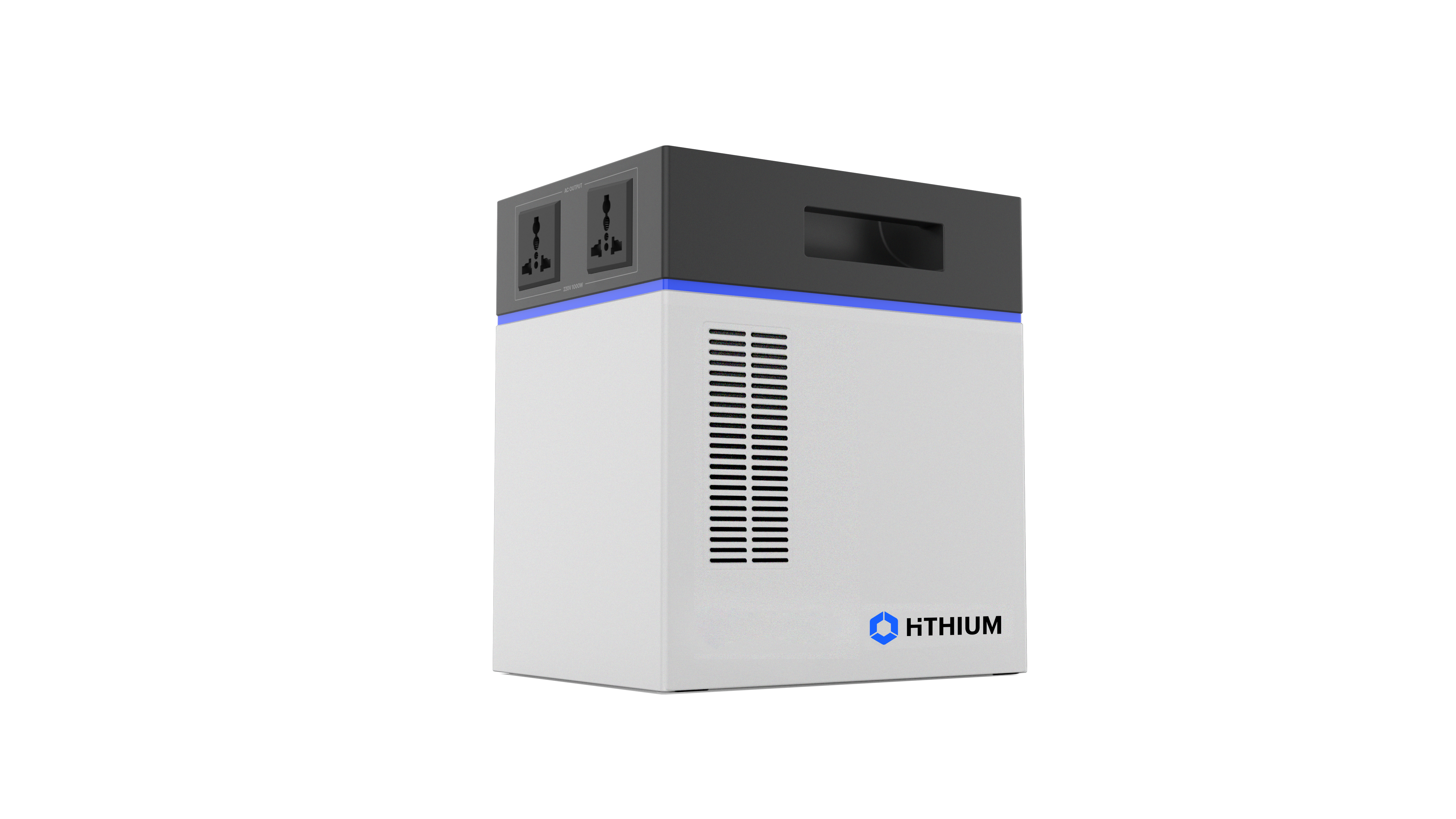
On a 108°F Saturday in July 2022, a Phoenix client blew past 9 kW for six minutes. The Department of Energy shows outage counts trending up, and many last hours, not minutes. So how do we stop the trips, trim the bill, and keep comfort steady without overspending or overpromising? I’ll compare what fails in the field and what actually holds under stress, then show you how I test for it in homes week after week—yes, even when the pool pump kicks on.
Where Traditional Setups Fall Short—And What I Recommend Instead
I still remember a Saturday morning in 2019, North Park, San Diego. A family with a brand-new 5 kW inverter called me after their induction cooktop and dryer tripped the system three times before brunch. The culprit wasn’t the battery; it was the power path. Many legacy builds rely on AC-coupled solar with multiple conversion hops. Each hop adds heat and loss in the power converters. By the time you hit the panel, you’ve burned 6–8% round-trip—and lost surge headroom. Specs that look fine at 25°C don’t survive an August attic at 45°C—no surprise, yet the paperwork never flags it.

Hidden pain point number two: state-of-charge (SoC) management that’s too rigid. Systems with narrow reserve windows drain too early at dawn and leave you exposed at 6 p.m. The fix isn’t bigger batteries by default. It’s smarter control. I prefer DC-coupled designs in homes that lean heavy on evening loads. You cut a conversion stage, gain a few percent efficiency, and keep surge current closer to the bus. On a 13.5 kWh pack in Temecula last May, moving from AC- to DC-coupled PV boosted evening deliverable power by ~7% and stopped nuisance trips—no, the spec sheet didn’t warn them.
Why do clean installs still sag under peak?
Because the grid isn’t your only variable. Motor loads spike fast. Air handlers stall when voltage sags. If your inverter can’t deliver 2–3x continuous rating for 5–10 seconds, the house loses. I favor inverters with honest surge data, a battery management system that publishes live SoC, and thermal design that stays inside limits on a 100°F roof. Anything less, and you’re betting comfort on luck.
The New Stack: Principles That Keep Home Batteries Honest
Here’s what works now, and why. First, predictive dispatch tied to your tariff and weather. Not marketing fluff—actual day-ahead shifting that keeps 20–30% reserve for the evening ramp. Second, prioritize the shortest path from cells to loads. DC-coupled architectures limit conversion stages and keep round-trip efficiency high when it matters. Third, use chemistry and cooling that hold ratings across real temperatures. Lithium iron phosphate with a cold-plate or heat-spreader beats air-only in dusty attics. Add edge computing nodes at the gateway for fast decisions, not cloud-only control with lag.

I use a simple playbook on every battery energy storage system for home: map the five worst 10-second surges in that house, check inverter surge (in kVA, not just kW), size the battery string for that burst without tripping the BMS, and leave headroom. Then I enable dynamic SoC windows that swing with forecasted peaks—because Tuesday at 6 p.m. is not Friday at 6 p.m. The result is steadier service, fewer trips, and better bill shaving. It isn’t magic—it’s control logic and honest power paths.
What’s Next
Grid services are creeping into homes. Virtual power plant programs pay for fast response, but they punish slow inverters. If your system can deliver a 500 ms response for frequency events and still protect your thermal limits, you’ll earn more without burning the hardware. That’s the future I’m building toward—reliable at the outlet, valuable at the meter.
Quick Case: From Frustration to 99.2% Uptime in Austin
February 2023, South Austin. A 2,400 sq ft home with a 5-ton heat pump kept browning out during evening peaks. They had 10 kW of PV, a 6 kW inverter, and a 13 kWh battery. On paper, it looked fine. In life, it flinched. We swapped to an 8 kW inverter with 16 kVA 10-second surge, bumped storage to 18 kWh LFP, and added a soft-start on the condenser. We also shifted to DC-coupled PV and set a 25% evening reserve window with time-of-use awareness. Two hours of commissioning, one firmware tweak—then quiet. I still smile when I see their text thread—no alarms for 90 days.
The numbers: nuisance trips fell from 11 in the prior month to zero. Uptime logged at 99.2% during peak events across the first summer. The home cut peak imports by 62% and shaved $68/month from bills between June and September. Most telling? The owner ran the oven and dryer during a 7:15 p.m. spike without a flicker. That’s what I want in every install: no drama at the panel, just steady volts where it counts.
How I Evaluate Systems: Three Checks You Can Use
First, power integrity: read both continuous and surge ratings. I want at least 2x continuous surge for 10 seconds and a breaker coordination plan that matches. If the inverter can’t hold surge without clipping, pass. Second, durability in writing: warranty energy throughput in MWh, not just years. For a typical home, I look for 20–30 MWh guaranteed at 80% DoD with clear cycle counts; that’s how payback survives real use. Third, efficiency where you live: round-trip efficiency tested at your climate and your topology. DC-coupled often wins by 4–8%. If your vendor won’t share test points or the state-of-charge control logic, I walk away.
That’s the core lesson from the field. Match the power path to your surges, guard your reserves with smart control, and pick hardware that keeps its promise when the attic bakes. Do that, and you’ll get comfort, savings, and real resilience—without babysitting the app. Brands that hit these marks keep earning my trust, including HiTHIUM.