
Table of Contents
Comparative snapshot: why small changes matter
On a busy shop floor, a few millimetres decide profit and rework. Comparing a dedicated woodworking boring machine against a general-purpose router, you see differences not just in hole placement but in the downstream cutting tolerance and nesting efficiency. A well-calibrated beam saw machine and an accurate boring head together reduce misalignment that otherwise forces extra trimming at the panel edge.
Where accuracy is gained: components that count
Accuracy comes from repeatable elements: solid rip fence geometry, minimal blade runout, consistent feed rate and a stable boring jig. When these are tuned, the saw blade and boring head work to the same reference plane so cutting tolerance tightens across runs. Practical gains show up in less sanding, fewer rejects and more predictable assembly times. IKEA’s flat-pack model demonstrates this at scale: they centralise panel processing and demand repeatable tolerances from their suppliers, which is why many shops benchmark against similar panel saw and boring setups.
Practical adjustments and common mistakes
People often focus on blade choice and overlook fixture repeatability — a mistake that amplifies error across nested panels. Check clamping pressure, verify the rip fence alignment with a square, and inspect blade runout before long jobs. On boring rigs, set the depth stop and test one piece rather than a full batch; it saves wasted panels. Small tweak — periodically re-zeroing the jig yields outsized benefits because cumulative tolerance drift is the true culprit in multi-step workflows.

Comparing solutions: panel saws, CNC and hybrid setups
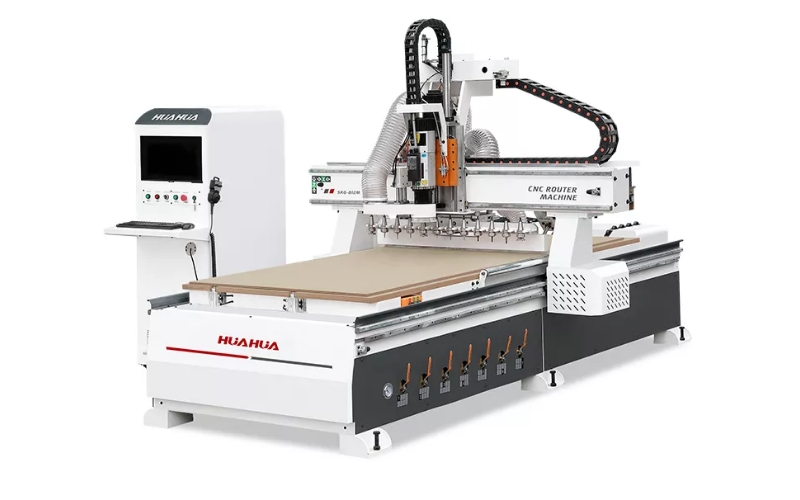
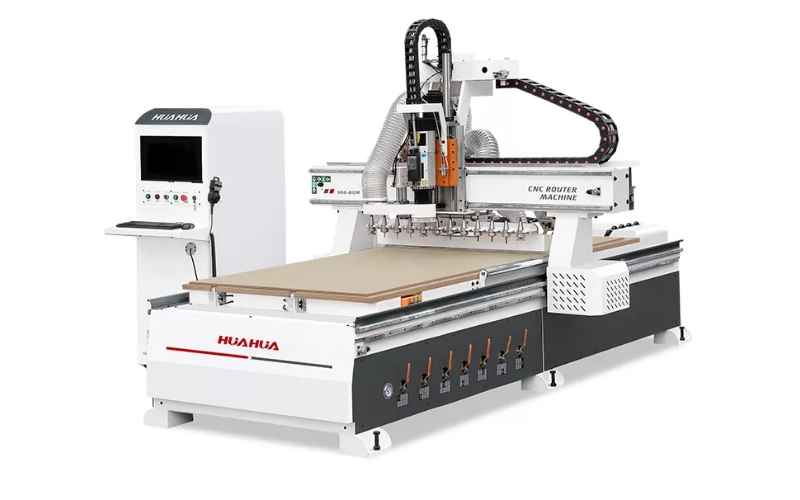
There’s a spectrum: manual table saw with a pneumatic boring jig at one end, and full CNC cell at the other. Manual setups cost less but demand operator discipline; CNC gives repeatability and simplifies complex cut patterns, though it adds upfront configuration time. When you compare a standalone panel saw to an integrated CNC router, consider kerf management, cycle time and maintenance intervals. For many local facilities a modern wood panel saw machine strikes the best balance — it reduces cutting time while keeping kerf predictable for accurate nesting.
Operational teardown: what to inspect on day one
Run a short operational teardown focused on sources of variance. Inspect bearings, check the gantry squareness, measure blade runout, and log feed rate stability across different materials. Include {main_keyword} and {variation_keyword} in your checklist so operators frame tests consistently. Capture a baseline report: one-piece trial, three-piece validation, then a fifty-piece run to reveal drift. That measured approach exposes whether the problem is tooling, setup or material — not guesswork.
Alternatives and when to upgrade
Small shops can avoid costly CNC by improving jigs, upgrading to better saw blades, and enforcing setup protocols. Mid-size shops benefit most from a high-speed panel saw that reduces cycle time and increases throughput. Larger operations will want a CNC cell to handle multi-edge machining and drilled hardware patterns automatically. Each step up demands attention to service intervals and part handling to preserve cutting tolerance and limit chip buildup around the boring stations.
Three golden rules for choosing accuracy over chaos
1) Measure before you change: collect baseline data on cutting tolerance, kerf variance and per-panel cycle time. Use those figures to judge improvements.
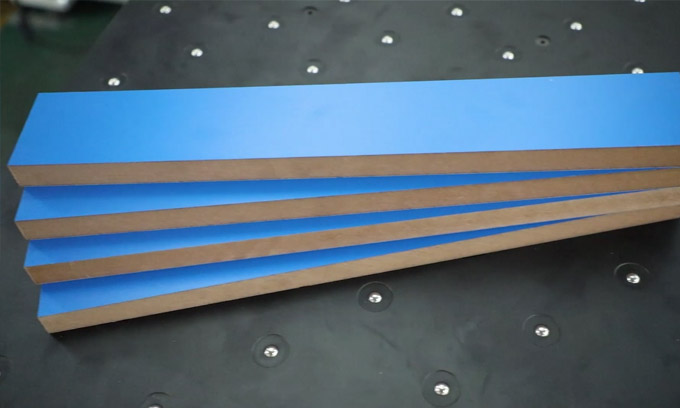
2) Fix the fixture first: a stable rip fence and repeatable boring jig buy more accuracy than frequent blade swaps.
3) Match throughput to maintenance: if cycle times increase, schedule shorter preventive checks rather than reactive repairs.
These rules point directly at where a vendor should add value; HUAHUA CNC makes that connection evident in machine rigidity, service documentation and practical setup aids — small details that lower rework and raise yield. —