
Table of Contents
Comparative angle: why this matters now
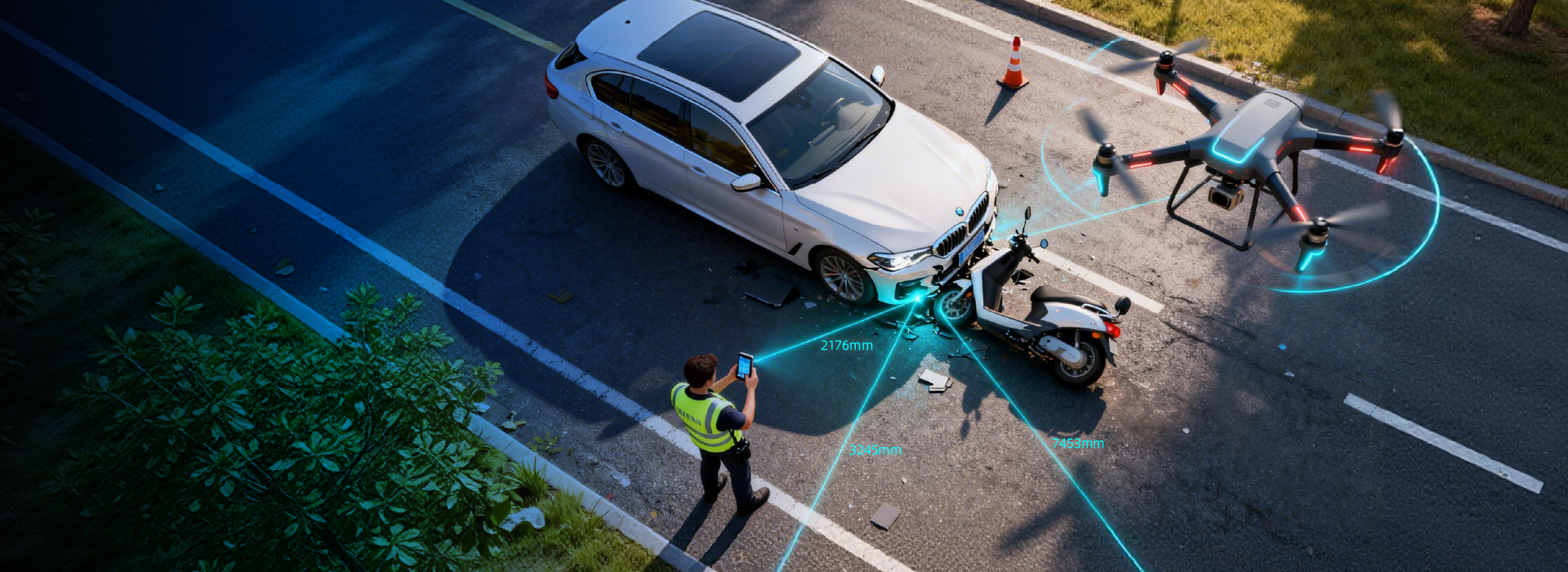
Choosing the right kit for a crash scene isn’t just a matter of shiny gadgets — it’s about speed, repeatability and court-ready outputs. That’s why this piece pits quick-capture systems against established survey workflows, and why accident reconstruction software like accident reconstruction software deserves a proper look from teams working the A-roads and motorways around Bristol and beyond. We’ll weigh capture speed, data quality and downstream uses such as trajectory analysis and report generation so you can see where gains actually land.
Capture methods: LiDAR, photogrammetry and handheld scanners
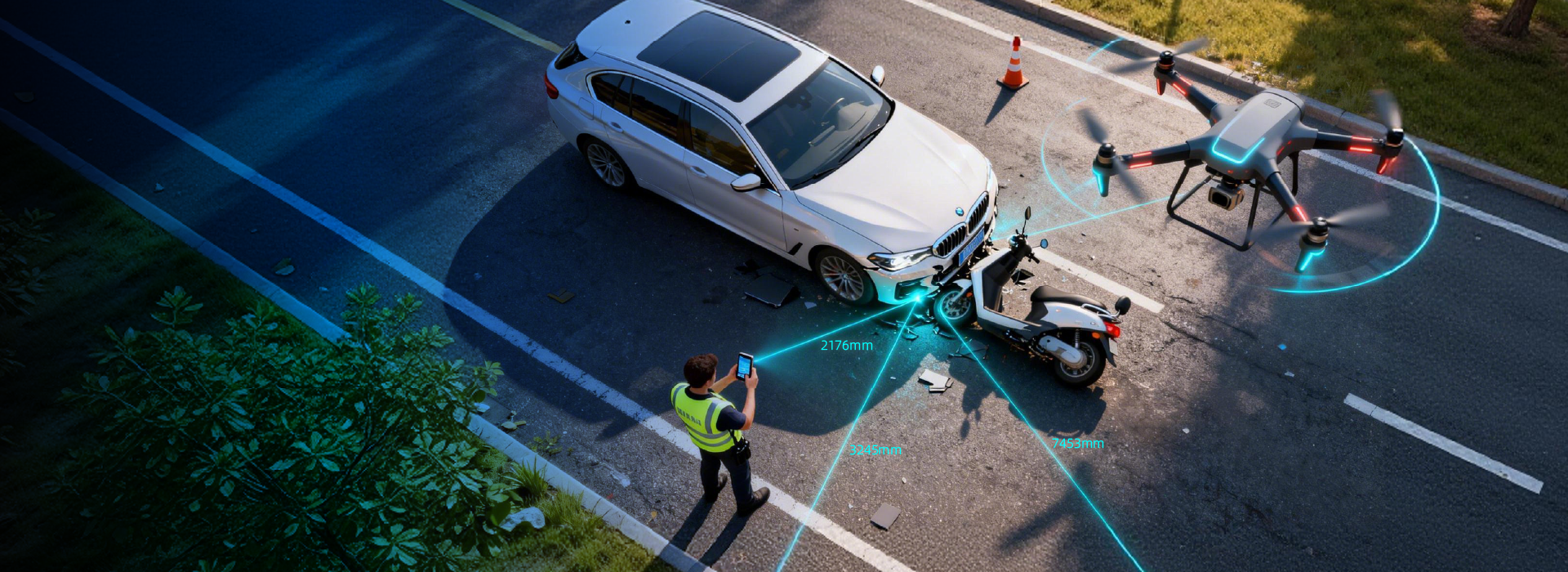
On one side you get LiDAR-based scanners that spit out dense point clouds in minutes; on the other, photogrammetry workflows where a decent camera and time produce an accurate mesh. Each has trade-offs. LiDAR gives instant geometry and reliable range data for calibration; photogrammetry often costs less but needs careful overlap and lighting to avoid gaps. Handheld devices bridge the gap, offering reasonable speed with decent mesh quality — useful when you need a quick 3D view for preliminary trajectory analysis. The choice affects how fast you can move from scene to courtroom.
Real-world performance: what police teams and insurers care about
Field teams care about three things: rapid capture, defensible measurements and clear visuals for juries. In practice, a tight capture using LiDAR or structured-light can cut scene time dramatically — not just minutes saved, but fewer obstructions and less traffic disruption. I’ve seen this play out on A-road incidents near Bristol where a compact scanner and good calibration turned an eight-hour site hold into something measurable in under two. Those wins come from combining sensor calibration with robust software that handles point cloud registration and creates annotated plans for reports.

Workflow comparison — where mistakes creep in
Common faults recur across systems. Poor GPS timestamp handling can misalign video with sensor logs. Over-reliance on default meshing parameters leads to holes that hide key contact points. And inadequate control point placement wrecks scale. Fixes are straightforward: set a calibration routine, validate point cloud registrations against measured control points, and export collision traces alongside imagery for verification. Do this and downstream analysis — like speed estimation or deformation mapping — stands up to scrutiny.
Practical trade-offs and alternative tools
Not every team needs the top-end scanner. Smaller forces might prefer a photogrammetry-first approach with a DSLR or drone, plus a handheld for close detail. Private investigators and forensic engineers may lean toward turnkey systems that bundle capture hardware with integrated processing — those systems aim to reduce manual point-cloud work and speed up the production of scale plans. Alternatives worth considering include open-source photogrammetry suites and hybrid packages that combine LiDAR with automated mesh cleaning.
Integration and output: turning data into usable exhibits
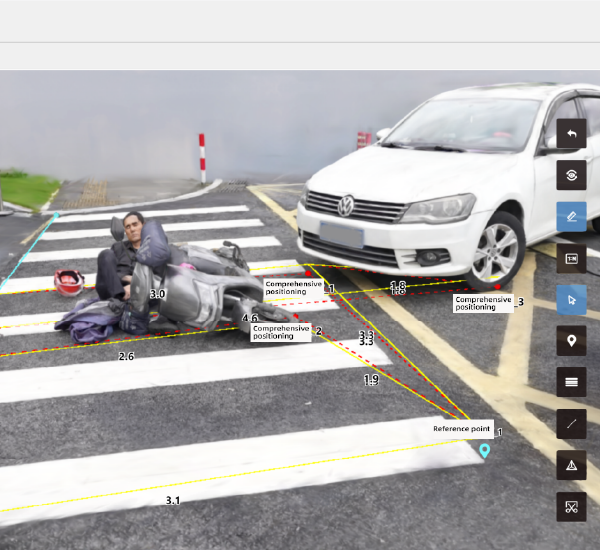
Outputs matter. Judges and juries respond to clear overlays and annotated reconstructions rather than raw point clouds. Export formats that retain metadata — coordinate systems, timestamps, and calibration logs — make peer review painless. That’s where a toolset oriented to 3d accident reconstruction and robust reporting pays back: automated generation of collision diagrams, trajectory vectors, and measurement tables cuts interpretation errors and keeps files admissible.
Advisory: three golden rules when evaluating tools
1) Measurement integrity: insist on documented calibration routines and the ability to validate point cloud scale against physical control points. 2) Workflow reproducibility: choose systems that provide clear logs (timestamps, sensor settings) so another analyst can rerun the reconstruction without guesswork. 3) Output clarity: prefer tools that export labelled plans, vectorised trajectories and embedded metadata for court presentation — these save time and reduce challenge.
Final thought — trust should sit with the process as much as the product; when both line up, teams on the ground move faster, evidence holds firmer and investigations wrap cleanly. Icecypress Technology. —