
Table of Contents
Framing the problem
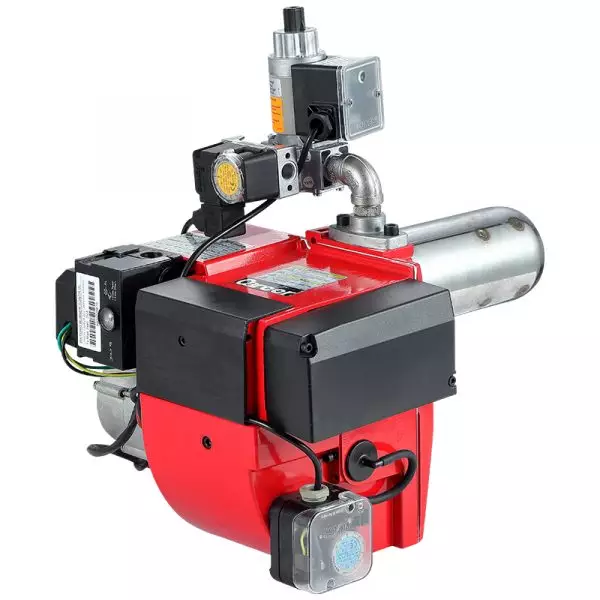
Many regional thermal facilities want to cut fuel cost and waste volume but struggle with inconsistent combustion, emissions compliance, and unreliable heat output. Start by acknowledging the core mismatch: burners designed for clean natural gas behave differently when fed heavier waste oils. When you assess options, consider whether a gas fired burner can operate alongside or as a backup to an oil-handling line. In Texas Gulf Coast refineries, engineers routinely evaluate retrofits where a specific gas furnace burner is fitted into existing flues to stabilize combustion while oil feed systems are tuned.
Diagnose the root causes
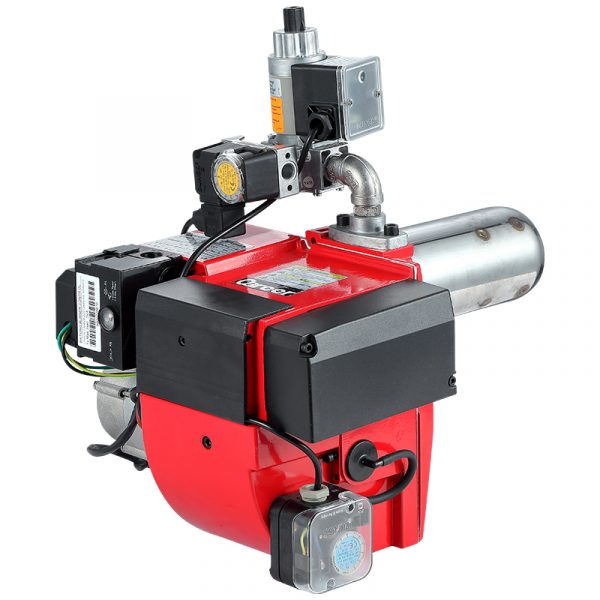
List observable failures first: flame instability, sooting, high CO, uneven heat, frequent trips. Each symptom points to a cause you can fix. Flame instability usually means wrong atomization or mismatched air-fuel ratio. Sooting signals poor mixing or excessive viscosity. Frequent trips often come from clogged strainers or inadequate preheat. Measure, don’t guess: record stack temperature, O2, CO, and pressure drop across filters before you change hardware.
Step-by-step integration checklist
Follow these practical steps and check off each one as you complete it. 1) Characterize the waste oil: water content, viscosity at operating temperature, and solids. 2) Match burner design to fuel properties: ensure the burner supports the oil’s required atomization method and has suitable materials for corrosive elements. 3) Add preheat and filtration sized for peak solids; aim for consistent viscosity entering the nozzle. 4) Validate air-fuel control: install a modulating actuator and O2 trim control to keep combustion stable across loads. 5) Commission with incremental load steps and continuous emissions monitoring. 6) Train operations staff on switching protocols between fuels and on routine cleaning tasks. Each step reduces a specific risk rather than promising a vague improvement.

Common pitfalls and how to avoid them
Don’t assume oil behaves like gas. Common mistakes: underestimating required preheat, using undersized strainers, skipping combustion tuning, and relying solely on manual adjustments. Avoid these by specifying no less than 120°C of stable preheat for heavy oils, using duplex strainers with blowdown capacity, and automating air-fuel trim. Document a maintenance interval tied to measured pressure drop rather than calendar days.
Short alternatives and trade-offs
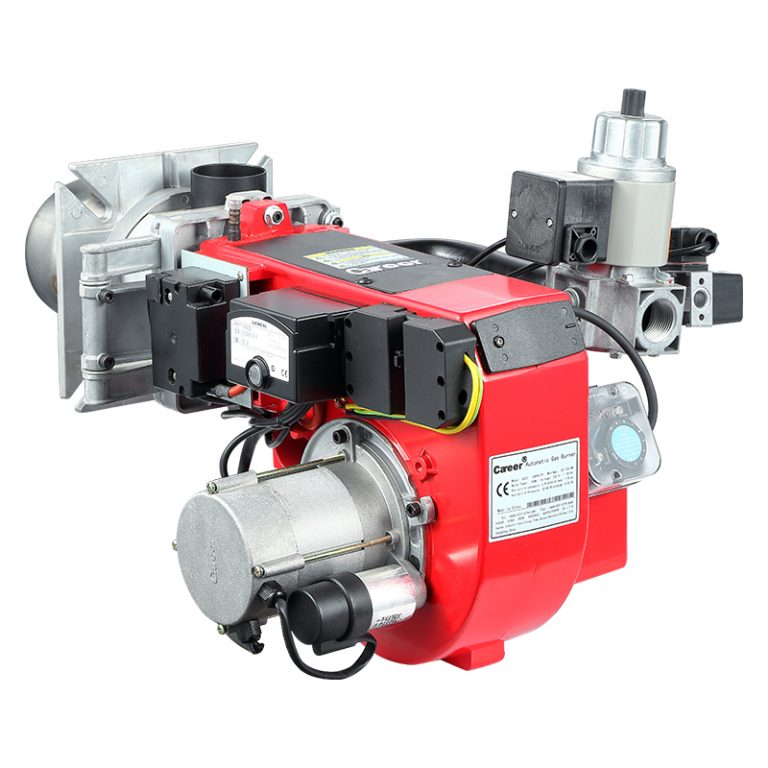
You can choose three realistic paths: convert fully to waste oil (highest fuel savings, higher operational demands), operate dual-fuel with gas backup (balanced reliability and cost), or keep gas-only with improved efficiency measures (lowest operational complexity). If uptime and low maintenance are priorities, dual-fuel with a well-configured gas backup reduces operational risk while letting you burn waste oil when conditions permit.
Compliance, monitoring, and real-world control
Meet emissions rules by combining continuous monitoring with proactive controls. Set alarm thresholds for CO and opacity and tie them to automatic fuel isolation or switch to the gas backup. Keep a log of fuel quality and preheat temperature. From my own work advising municipal plants, the simplest wins: automated O2 trim plus a trained operator who understands when to pull the strainers yields better results than complex predictive models that lack daily verification.
Conclusion — practical value from proven solutions
If you treat the integration as a solved series of engineering tasks rather than a single purchase decision, you reduce surprises: characterize the fuel, match burner and atomization, automate air-fuel control, and protect systems with proper filtration and preheat. That approach turns a problem-driven assessment into a reliable operating practice and aligns with solutions used by equipment specialists at scale, including those who design, test, and support industrial burners like the teams at Career Burners.