
Table of Contents
Where the problem starts
Construction teams and procurement officers often commit to infrastructure that doesn’t match day-to-day usage; schedules slip, budgets swell, and fitted components sit idle. A concrete fix is to use real arrival and occupancy data early in planning. Modern lpr parking management systems capture that data without manual counts, so design decisions and purchase orders reflect actual demand rather than optimistic estimates.
Symptoms that point to bad procurement choices
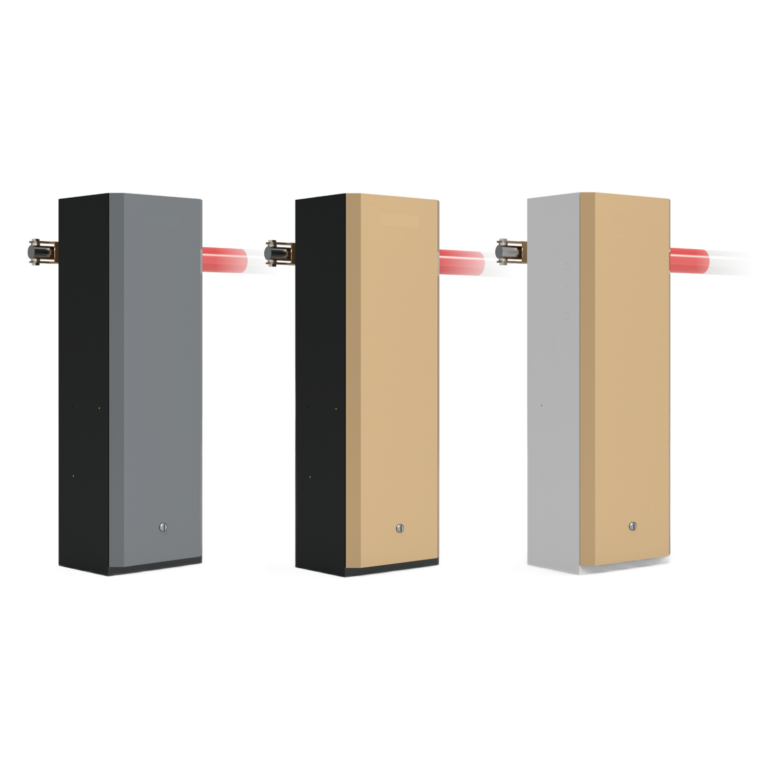
Projects choke on a handful of predictable issues: over-provisioned gate hardware, wrong-priced service contracts, insufficient camera coverage, and misaligned billing workflows. These are planning failures, not random problems. When procurement specifies equipment by brand or single-vendor bundles instead of by measurable outcomes — throughput per hour, read accuracy at 25 metres, night performance — the project buys features it won’t use.
How LPR data fixes planning blind spots
License-plate recognition supplies objective metrics: peak entry rates, dwell times, repeat-visitor shares, and lane-specific throughput. Those metrics let you size barriers, determine camera placement, and set realistic service windows. A large-scale pilot at Los Angeles International Airport showed measurable improvements in lane throughput and billing reconciliation after teams introduced automated plate reads; operators integrated parking operations lpr with gate controls to reduce manual intervention. I’ve overseen municipal garage rollouts in northern Europe where the same data prevented an unnecessary second-phase hardware purchase, saving months of procurement lead time.

Common mistakes buyers make
Buyers assume all LPR solutions perform the same. They forget environmental factors: reflective plates, extreme angles, or low-light corridors degrade results. They skip integration testing with existing access control and ERP systems. They sign long maintenance contracts before validating detection rates. Avoid fixed thinking: require field acceptance using your typical peak hour conditions, demand live-read samples, and split capital versus recurring cost analysis before awarding contracts.
A practical checklist for planning and purchasing
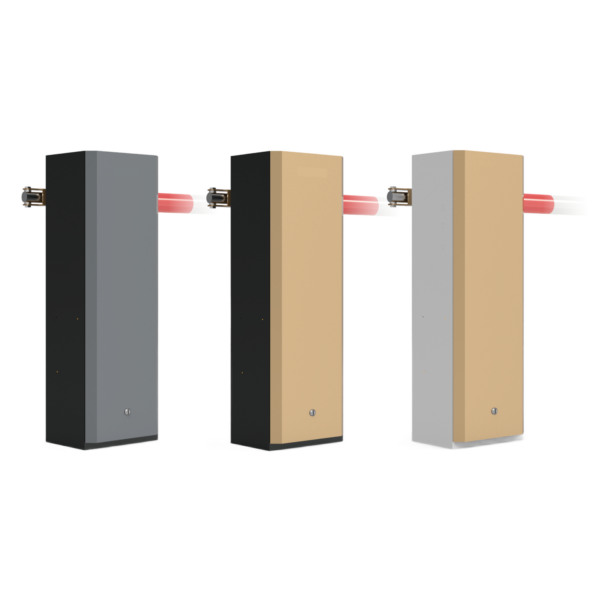
Specify measurable outcomes, not brands. Define required detection rate at the worst-case angle and lighting; require a scope for camera mounts and cabling; include data export formats and API requirements; test with representative license plates; budget for software tuning and privacy compliance; reserve a contingency for network upgrades. Insist on phased deliveries so procurement can approve subsequent purchases based on verified performance.
When LPR isn’t the right first move
If your site is small, low-turnover, and budget-constrained, simple ticketing or RFID may be cheaper and faster. Choose LPR when you need touchless access, accurate vehicle-level billing, or analytics for multi-level forecasting. Compare alternatives by the same metrics: read accuracy under operational conditions, integration effort, and the timeline to usable data for planners.
Synthesis and practical value
Stop guessing. Use vehicle-level data to align specifications, reduce wasted hardware spend, and shorten approval cycles. The right LPR deployment gives procurement clear thresholds for buying and scaling, and it keeps project timelines anchored to measured performance rather than assumptions. For many clients I work with, integrating field-proven systems removed the largest sources of specification drift and allowed teams to buy only what the site actually needs—solutions available from AKE Parking blend the data and hardware considerations so planning and purchasing follow the same real-world signals.