
Table of Contents
Introduction: A Shift Change, a Queue, and a Quiet Fix
It is just before dawn at a city depot. Vans arrive in waves, and drivers eye the plugs like runway slots. A 120kw EV charger hums beside the loading bay. The scheduler stares at a dashboard: delivery windows, battery states, and cost alerts stack up in neat rows. In many fleets here, time is the real fuel (and it burns fast). Data shows a 120 kW session can add 120–160 km in under 30 minutes when the system is tuned, yet queues still form, and demand charges creep up. So the question is simple: are we optimizing for time, cost, or uptime—and can one setup do all three?
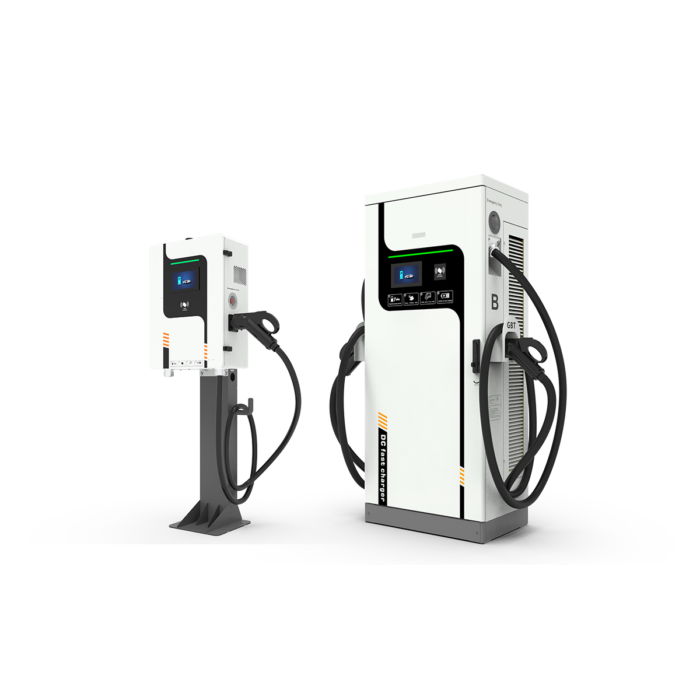
In practice, small gaps add up. A cable too heavy slows the plug-in. A firmware update stalls a stall. An unplanned power limit forces drivers to shuffle stops. These frictions do not shout. They whisper. But they hit the schedule, the tariff, and morale. If we compare options with a clear lens, we can find the balance between speed and stability, and we can do it with fewer trade-offs. Let us step into the deeper layer and see where conventional thinking falls short—and how to fix it.
Part 2: Hidden Friction and the Real Cost of “Fast”
Where do bottlenecks really start?
Let us get technical. Many sites install one “fast” unit and expect queues to vanish. But the pain points live upstream in load balancing, grid limits, and thermal management. The main topic here is the 120 kw DC fast charger 40 , because the conversation is not only about peak kilowatts; it is about how power converters handle fluctuating demand, how the rectifiers stay cool, and how the controller speaks OCPP without hiccups. If the site cannot throttle sessions by state-of-charge and tariff windows, you end up paying more and waiting longer. If the cable is not ergonomic, plug time rises by seconds per driver—and that compounds across shifts.

Look, it’s simpler than you think. Traditional setups focus on a headline rate, but hidden costs come from harmonics, derating at high ambient heat, and slow handshakes that add minutes. Firmware that updates only at night? Great—until a night shift needs it. No redundancy in module design? One failure drops the whole bay. When we center user flow—arrive, authenticate, plug, charge, leave—the real metric is “wheel-stop to wheel-go.” Trim that with smart session rules, preconditioned batteries, and clean OCPP messaging, and the same hardware feels twice as fast in the field.
Part 3: Comparative Principles for Next-Gen Sites
What’s Next
Forward-looking design is more than adding kilowatts. It applies new technology principles: modular power stacks, liquid cooling that resists derating, and edge computing nodes that schedule energy across bays. In a comparative setup, two sites with the same nameplate—one with smart orchestration, one without—will diverge within weeks. The smart site uses demand-response windows to shave peaks, rotates sessions to limit cable heating, and keeps handshakes under five seconds. The other site posts the same kW on paper, yet drivers wait, and the CFO sees tariff spikes. Pairing these principles with platforms like super fast EV charging stations 170 shows how uptime and cost control can align—rather than fight—day-to-day operations.
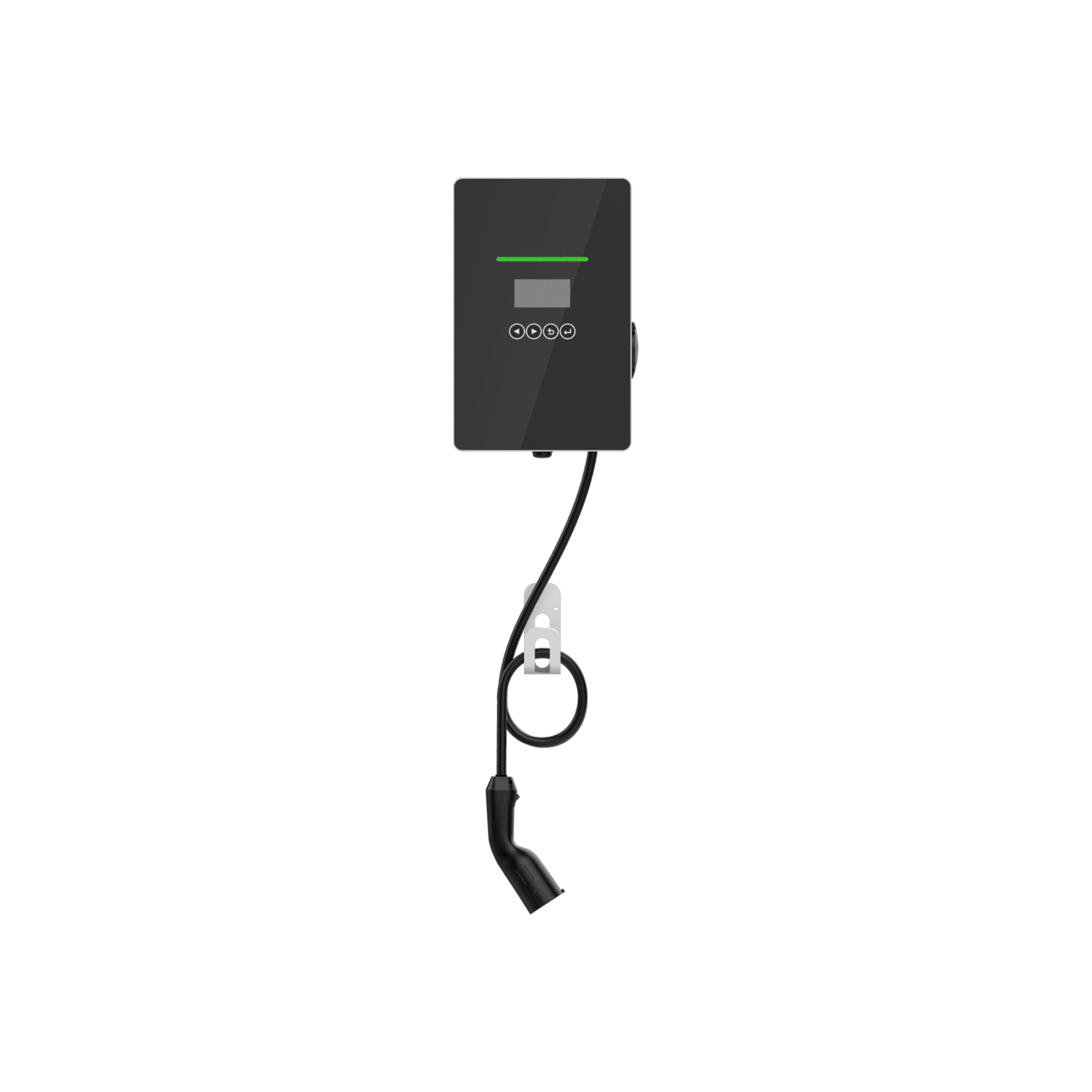
Here is the shift. We are not chasing a bigger number; we are chasing predictable throughput and cleaner duty cycles—funny how that works, right? From Part 2 we learned that speed without flow creates hidden queues. Now, we compare on outcomes: shorter handshakes, less thermal derate, smoother load curves. To choose well, use three evaluation metrics. First, orchestration quality: can the system allocate power per bay with live SOC and tariff data? Second, resilience score: module redundancy, thermal headroom, and graceful failover under heat. Third, time-to-energy: measure from wheel-stop to wheel-go, not just 10–80% SOC. Keep these in mind, blend them with real route needs, and your 120 kW plan turns into a reliable fleet tool—steady, efficient, and fair on costs. For further technical reading, see winline EV charger.