
Table of Contents
The Problem — why module-to-module isolation matters
When a single battery module goes into thermal runaway, the event can escalate fast. Short. Violent. Heat spreads across modules. That’s the problem many residential bulk systems face, especially in dense installations. Early work on commercial energy storage systems showed the same failure modes: cell-to-cell propagation, enclosure heating, secondary failures. Regulators responded — NFPA 855, UL 9540A testing — and installers had to catch up. This is not abstract. California’s wildfire years pushed authorities to tighten fire-safety requirements for energy storage, and the industry learned hard lessons about containment and isolation.
Key threats and the short list of engineering fixes
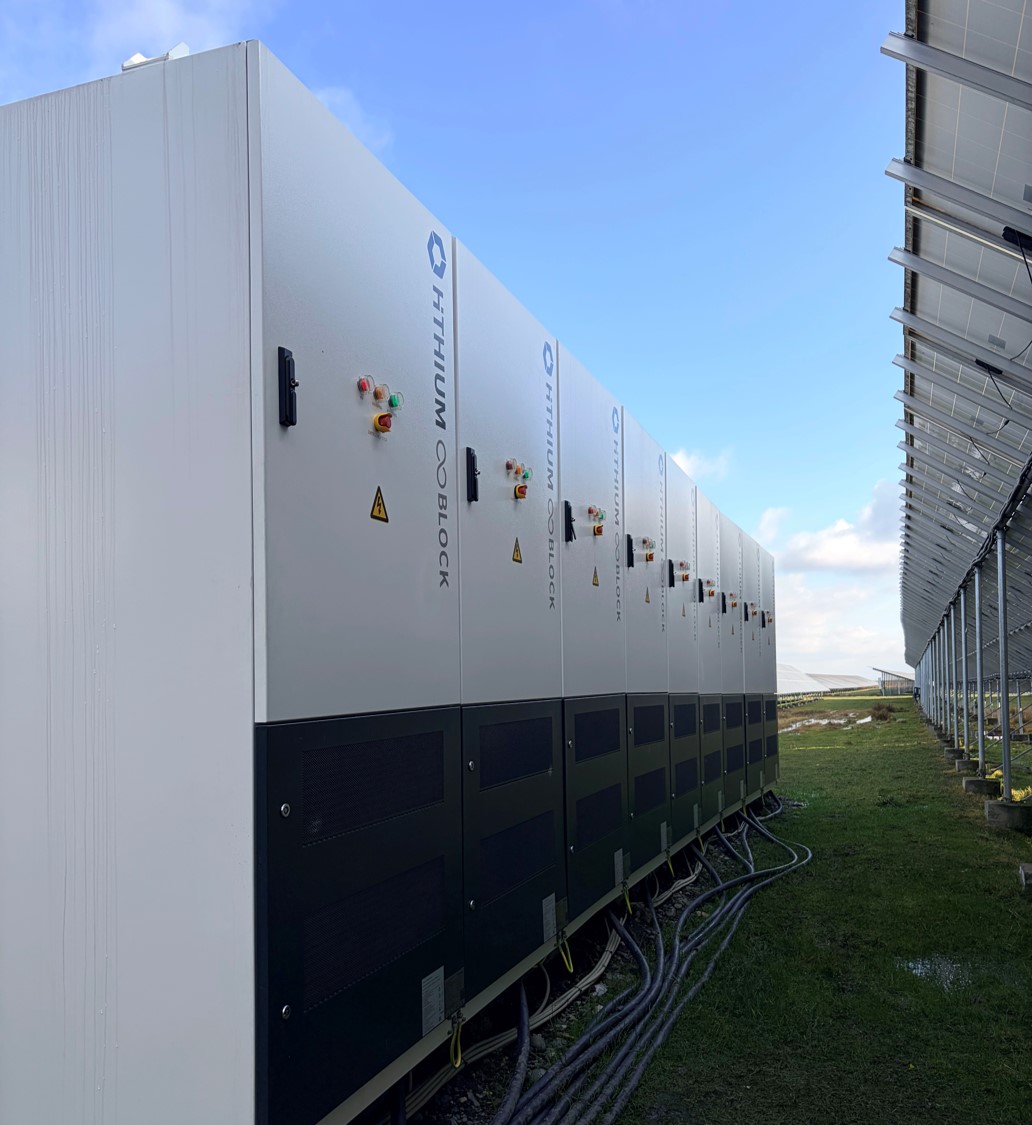
Thermal propagation, compromised wiring, and failure of passive barriers are the three usual culprits. Keep design concrete. Use thermal barriers between modules, robust mechanical spacing, and controlled venting paths. Add a reliable battery management system (BMS) with cell-level monitoring. Insulation and intumescent materials slow heat transfer. Active cooling systems help too, but they are not a substitute for isolation. Use tested solutions — UL 9540A defines protocols for propagation testing. These are practical measures, not theory.
Standards and tests that anchor decisions
Standards matter here. NFPA 855 sets siting and fire-protection rules. UL 9540A gives the test methods for thermal runaway and heat release rates. Designers should require third-party test reports for module packs and rack assemblies. For installers, a documented fire-safety plan linked to local code is essential. This kind of evidence is the real-world anchor that insurance underwriters and authorities rely on — you can’t just say “it’s safe.” You must prove it with test data and documented isolation strategies.

Design patterns that actually work
Adopt modular containment. Put physical thermal barriers between modules. Create dedicated vent channels that route hot gases away from adjacent packs. Integrate cell-level monitoring inside the BMS so you get early indications of rising cell impedance or temperature. Use low-thermal-conductivity mounting materials. And ensure SOC controls during maintenance and commissioning — partial charges reduce runaway risk. These choices limit cascade events and enable targeted suppression if needed.
Common mistakes installers make — and how to avoid them
They compress modules too tightly to save space. They skip validated barriers to cut cost. They rely solely on active cooling without passive containment — a bad bet when a high-energy event overwhelms the chiller. They treat fire suppression as an afterthought. The fix is straightforward: follow tested layouts, demand UL 9540A reports for packs, and plan for worst-case heat release. Also consider how systems connect to the building and local fire-safety infrastructure — alignment with emergency responders saves time during incidents.
Checklist for procurement and design teams
Use a short, clear checklist during vendor selection:- Require UL 9540A or equivalent test data for module-to-module propagation.- Inspect barrier materials for rated thermal conductivity and damage tolerance.- Verify BMS features: cell-level monitoring, automated isolation, and logging.- Confirm venting paths and suppression strategy with local code compliance.- Ask for a documented maintenance plan that restricts SOC during service.This is practical procurement. It reduces surprises.
Implementation notes and a quick cost-framing
Isolation adds capital cost. But it reduces operational risk and insurance exposure. Consider the trade-off as risk transfer: modest extra cost for module barriers and improved BMS, versus potential assembly loss and property damage. For many commercial and residential operators, the numbers favor upfront mitigation — especially where codes tightened after events like California’s recent wildfire seasons. The investment often shortens permitting cycles too.
Three golden rules for selecting isolation strategies
1) Prioritize tested performance over vendor claims — look for UL 9540A and third-party reports. 2) Combine passive containment with active controls — barriers plus a BMS that isolates at cell or module level. 3) Design for emergency handling — venting, suppression, and clear access for first responders. These three metrics make procurement and field work simpler, and safer.
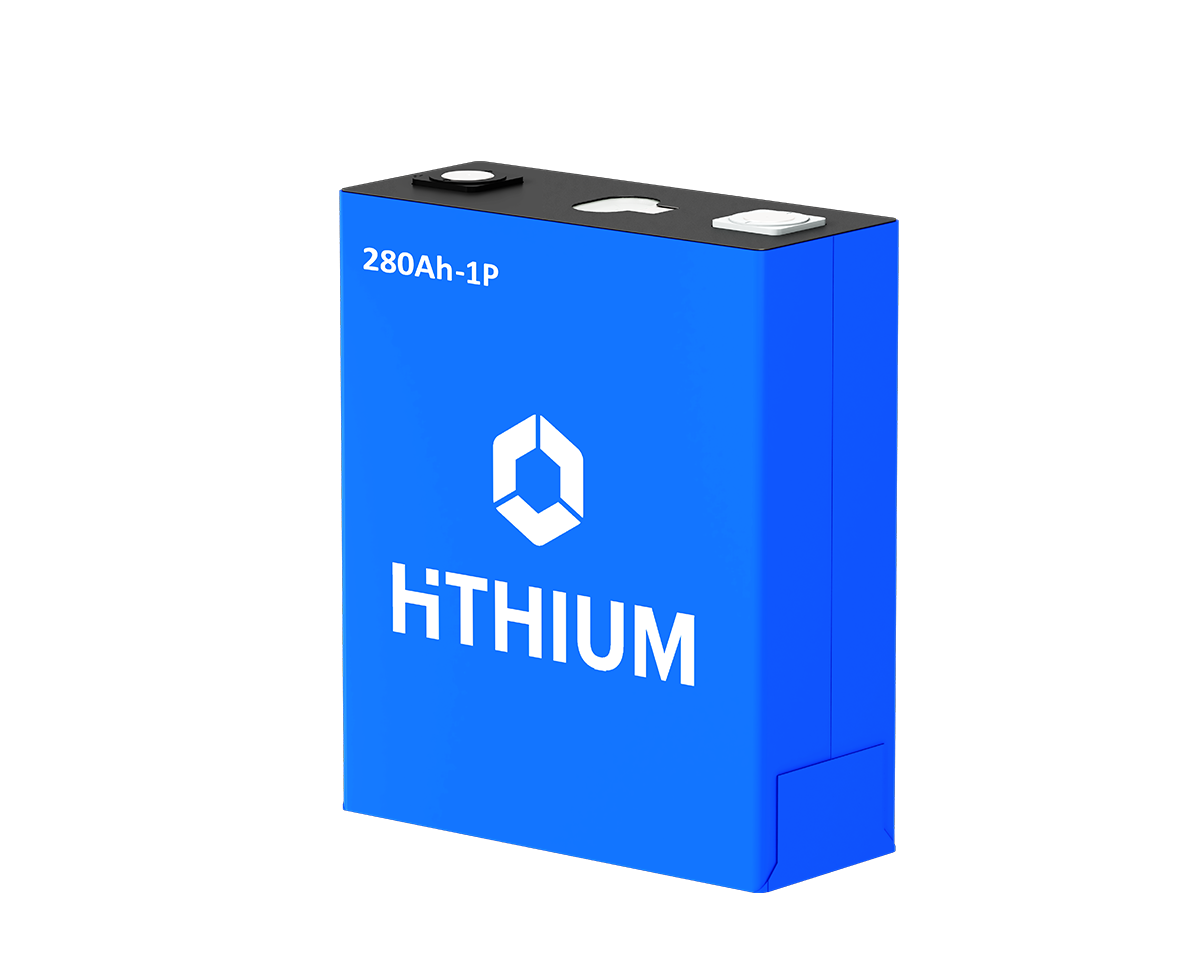
HiTHIUM offers systems and data that fit these rules, with tested modules and integrated BMS architectures — practical, validated, and ready for code review. Short note. Practical strength.