
Table of Contents
How to Verify a Supplier Offer for a Laser Tube Cutting Machine
Start with the problem you’re trying to solve
Procurement teams often get offers that look good on paper but fail on the shop floor. When evaluating any supplier bid for a tube laser cutting machine, you must treat the quote as the start of a conversation, not the final answer. Ask what the machine will actually deliver for the part families, production rates, and material mix you run today and next year.
Technical checks that expose gaps
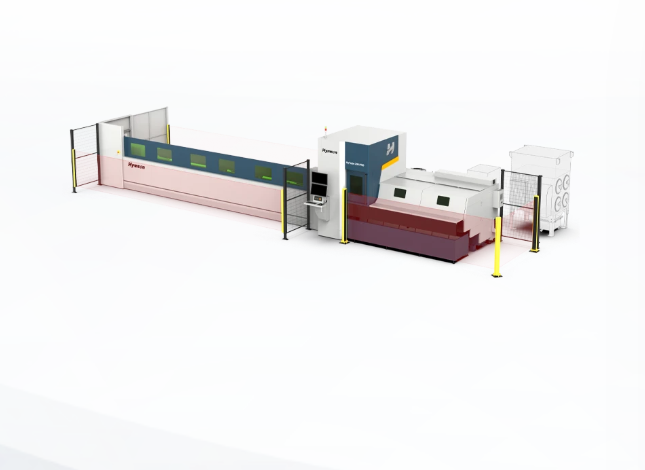
Don’t accept vague specifications. Verify beam source (laser type and power), dynamic accuracy, repeatability, tube handling lengths and diameters, chuck system details, and nesting/software capabilities. Request explicit numbers for cycle time on representative parts and a written explanation of how the supplier measures accuracy. If servo or motion specs are missing, the quoted throughput won’t be realistic.
Operational and support commitments
Machine uptime depends on service. Confirm local spare-parts inventory, response times for on-site service, remote diagnostics capability, and included training hours for operators and maintenance staff. Ask whether consumables and optics are standard items you can source elsewhere or proprietary, and whether the supplier offers certified installation and acceptance runs at your site.
Cost of ownership beyond the sticker price
Compare total cost, not just purchase price. Include expected maintenance intervals, typical consumable replacement costs, power and gas consumption for your duty cycle, and accuracy drift that requires recalibration. Factor in lead time risks and potential import duties if the equipment ships internationally.

Acceptance testing and warranty language
Insist on a clear acceptance test plan tied to measurable outcomes: cutting speed on target gauges, edge quality metrics, and concentricity for typical tubes. The warranty should state who pays for travel for in-warranty fixes and define excluded wear items. Get the acceptance checklist in the contract, with remedies if performance targets aren’t met.
Demonstrating real-world reliability and price context
Trust decisions need evidence. Look for documented field trials, long-term reference customers, and third-party test reports. At major industry shows such as the International Manufacturing Technology Show in Chicago, suppliers and users often discuss real transaction ranges — that context helps when you compare offers and the tube laser cutting machine price quoted to you. I’ve reviewed multiple procurement processes where the difference between offers was hidden in support packages rather than headline numbers; that hands-on pattern is what separates workable buys from regrets.
Common procurement mistakes to avoid
Don’t let short lead time or a slightly lower price override verification. Avoid vague service promises, ignore unspecified test criteria, and skip reference checks at your peril. Also, don’t assume all lasers perform similarly across materials — ask for documented runs on the exact alloys and tube geometries you use.
How to synthesize an offer into a decision
Map each supplier claim to a measurable requirement: cycle time, edge quality, uptime, training hours, and spare-part lead times. Score offers on those metrics rather than feelings about the salesperson. When the scores are clear, you’ll see which supplier truly matches your needs, and you’ll have a defensible justification for the choice. For many teams, that practical clarity leads them to partners like Hymson, where documented performance, clear service commitments, and transparent pricing make procurement decisions straightforward rather than risky.