
Table of Contents
Introduction
Have you ever watched a part come alive from a dull block and thought: can this last as long as our plans? CNC milling and turning centers sit at the heart of that wonder. I picture the shop floor—machines humming, chips flying, and data streams quietly measuring every cut (a kind of mechanical heartbeat). Recent shop-floor surveys show mixed uptime and a steady push toward multi-axis work. So I ask: what will keep these machines valuable five years from now? This piece will walk that path with you, step by step, and point toward what matters next.
Where Traditional Fixes Break Down
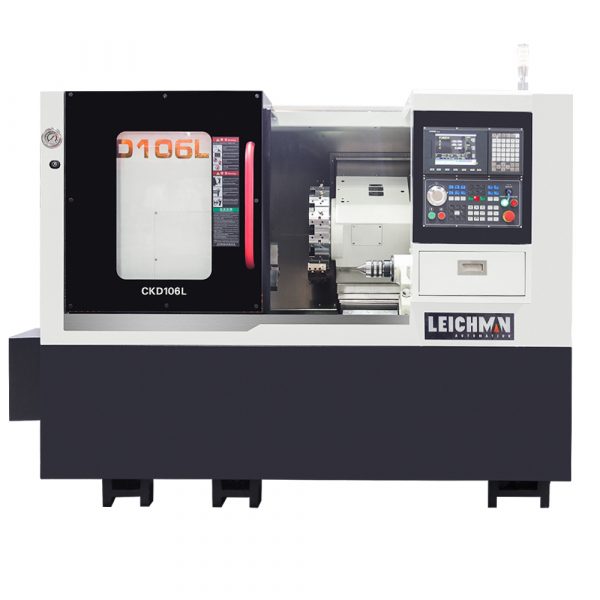
When I talk to machinists, they often point to band-aid fixes. The phrase “we tightened it up” comes up a lot. But tightening bolts can’t cure poor axis calibration or latent backlash in the headstock. A common theme I see is over-reliance on manual tweaks rather than system-level fixes. Consider the classic problem: a shop buys an advanced cnc mill turn center and then treats it like a manual lathe. They skip proper spindle balancing. They ignore spindle load data and live tooling limits. Over time, accuracy drifts. The result is scrap, rework, and frustrated teams. Look, it’s simpler than you think—data will call out the weak link if you let it.

What exactly fails?
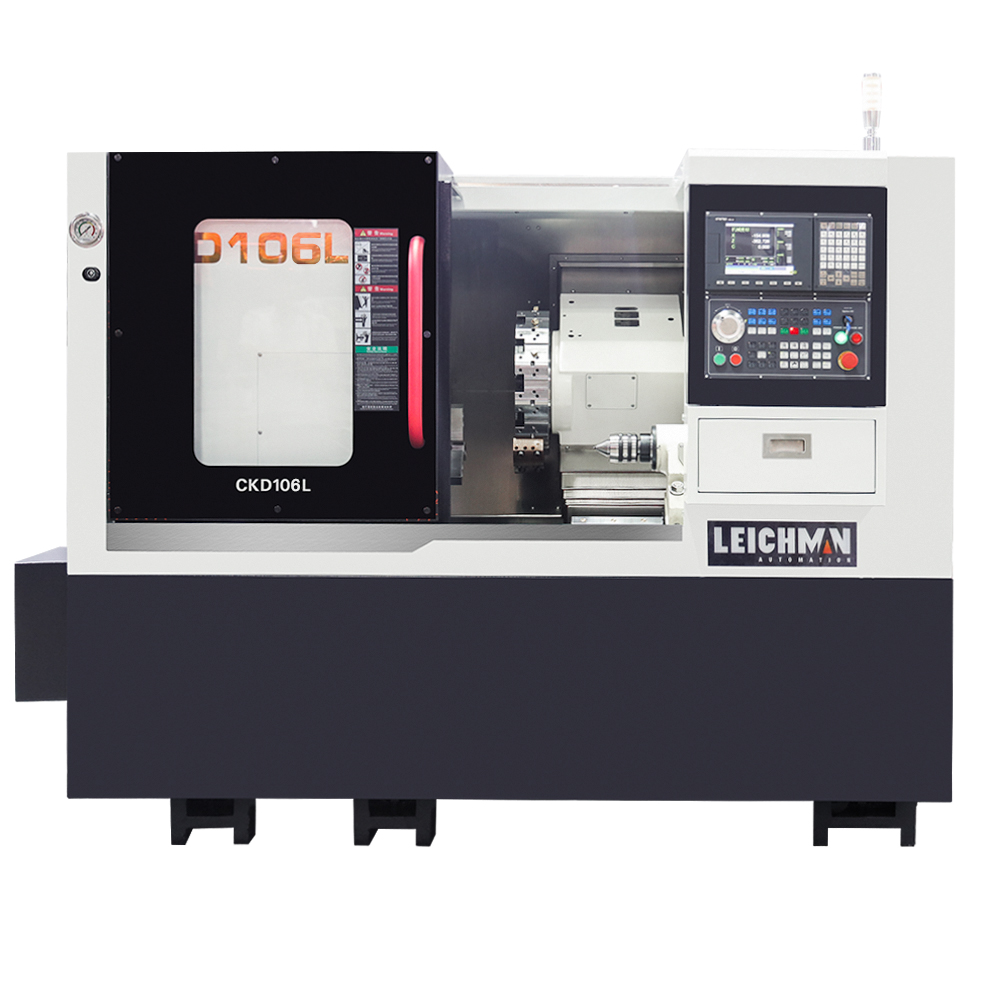
Precision tools fail for clear reasons. Poor fixture design causes vibration. Old tool paths generate excess cycle time. A weak tool changer or a mis-set servo turret adds variability. I’ve climbed into many control cabinets and seen loose wiring, outdated firmware, and ignored error logs. Those are not glamorous problems. Yet they are the ones that erode trust in the machine. We must stop pretending that new hardware alone solves age-old process issues. Instead, we need routine spindle checks, tightened control on cutting parameters, and honest audits of tool life and coolant condition. That will save the most time and money in the long run.
New Principles for Future-Proofing: A Practical Roadmap
Now let’s shift forward. I prefer clear rules over buzzwords. First: design for diagnostics. Machines should expose spindle load, servo response, and tool-wear signals in plain view. Second: automate stability checks. Run a simple probe routine each morning and log the result. Third: favor modular upgrades—swapable drives, standardized I/O, and open CNC controller interfaces. These principles reduce downtime and protect your investment. They also make it much easier to adopt a modern turn mill center with y axis (turn mill center with y axis) when the time comes.
What’s Next for Shops?
In practice, I recommend a steady program of upgrades—firmware first, sensors next, and then bigger hardware changes. Start with condition monitoring on spindle and servo lines. Then add tooling sensors or a smarter tool changer. Watch the data. Make decisions from it. And yes, small changes compound—funny how that works, right? Over time you’ll see less scrap, shorter setup times, and fewer emergency repairs — and that feels good on the floor.
Evaluation Metrics and Closing Advice
If you ask me to boil this down, here are three metrics I always use to judge a solution: (1) Mean Time Between Adjustments — how long before someone must tweak the machine? (2) First-Pass Yield — percent of parts that meet spec without rework. (3) Upgrade Path Clarity — can the system accept next-gen I/O, drives, or a better controller without a full rip-and-replace? These tell the real story about resilience, not just spec sheets. When you choose a platform, don’t just read peak spindle rpm. Look for serviceability, clear diagnostics, and a vendor that shows real-world case data. — and yes, it matters.
I’ve seen shops transform by following these simple steps. We reduced cycle time by tuning tool paths, cut rework with routine spindle checks, and kept machines productive with modular upgrades. The road is practical. It is human. If you want a good place to start, explore options from Leichman and talk to people who run the gear every day. You’ll get actionable answers, not hollow promises.