
Table of Contents
Facing the user’s problem on dark country roads
Driving round these parts at night — narrow lanes with no streetlamps — brings a specific worry: will the camera actually show what I need when something happens? Folks want a simple answer, not tech waffle. A reliable unit should capture number plates, lane markers and hazards on unlit B-roads. That’s why I often recommend a front and rear dash cam setup to drivers who regularly tackle rural runs; it fills the blind spots and gives proper evidence when day’s gone and lights are few.
What users really need from night vision
Start with three user-centred checks: clarity of detail, consistency across light changes, and continuous recording. Low-light sensitivity and dynamic range matter because headlights, oncoming beams and deep shadows all happen within a few seconds. Terms like Sony STARVIS and HDR aren’t just buzzwords — they relate directly to how well a sensor reads faint light and keeps highlights from washing out. Frame rate and bitrate affect how smooth and legible footage looks, especially for licence plates at speed.
How the DDPAI mini answers those needs
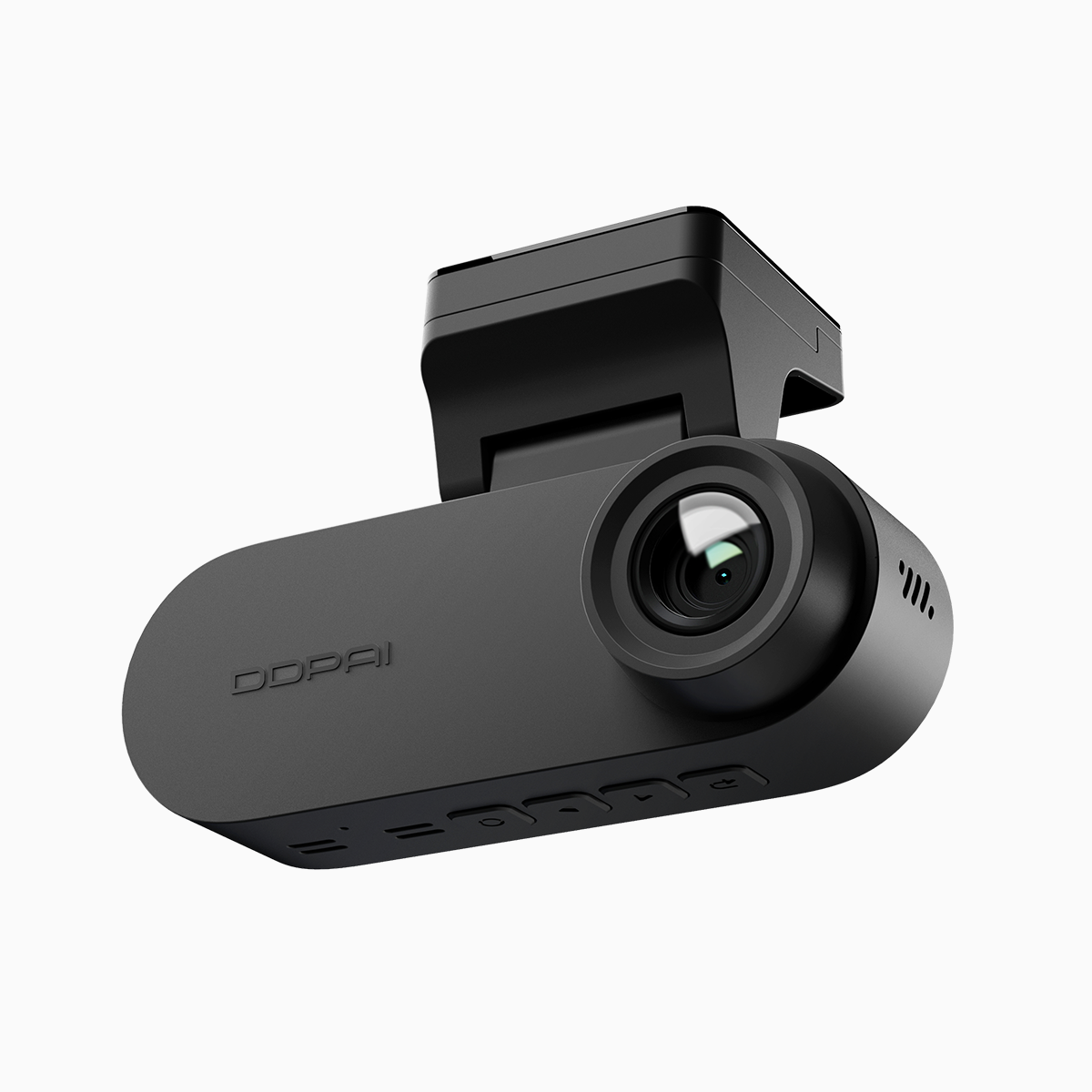
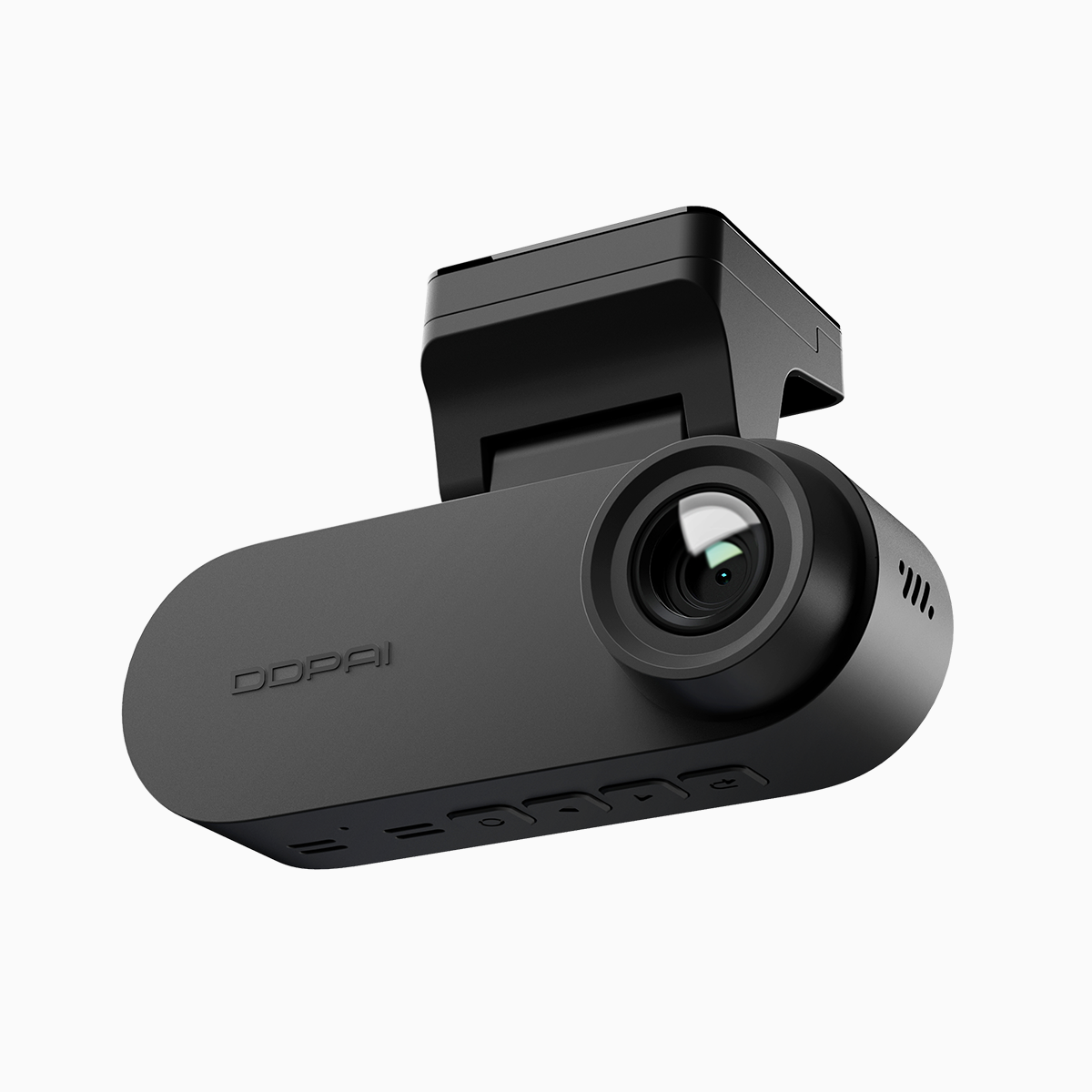
DDPAI’s STARVIS-powered mini dashcams lean on a sensor designed for low-light work. That STARVIS sensor boosts signal capture when ambient light is poor, while HDR and WDR processing help balance bright headlights and dark verges. The result is footage where details stand out without looking over-processed. You’ll notice sharper contrast on plates and better mid-tones on stone walls — precisely what matters when you’re sorting a claim or showing police footage.

A proper field test on Dartmoor lanes
I took one out on a winter night across Dartmoor, where the lanes are narrow and the hedges close in. The camera held up: number plates remained readable at typical country speeds and the footage didn’t break up when passing farms with porch lights. Rural roads often see a disproportionate share of single-vehicle incidents after dark, so consistent recording matters. The dual view from front and rear keeps both directions covered — which is handy when a tractor or deer appears from behind.
Common mistakes drivers make with night dash cams
Many fit a camera without checking angle or bitrate, then expect magic. If the lens points too high you’ll clip plates; set bitrate too low and compression ruins detail. Also—drivers sometimes ignore firmware updates that tweak HDR processing. Keep mounting steady, set a sensible frame rate for your speed, and test at night before relying on the footage for evidence.
Comparing alternatives in plain terms
Not every camera with a STARVIS badge is equal. Cheaper models might skimp on processing or storage speed, which limits usable footage. Others do well on daytime detail but falter in shadow recovery. If you want a balanced performer, look for proven low-light sensitivity, a stable frame rate at 30fps or higher, and reliable loop recording. That mix gives both clarity and continuity — essential on unlit country roads.
Three golden rules for choosing a night-capable dashcam
1) Prioritise sensor and processing: pick cameras using STARVIS-level sensors and HDR/WDR processing to handle mixed lighting. 2) Check mounting, frame rate and bitrate: a steady mount and at least 30fps with good bitrate keep plates legible. 3) Cover both directions: a dual dash cam for car arrangement avoids surprises from behind and strengthens your evidence chain.
Final word — straightforward and practical
Choose gear that proves itself on the roads you drive, not just in showroom shots. These three checks will save time and grief, and they point naturally to systems that DDPAI PH keeps refining for rural users. DDPAI PH understands those needs and builds the features that matter — don’t buy spec lines, buy real performance. —