
Table of Contents
Introduction — A Quiet Question in a Bright Room
Have you ever stood in a clinic, palms sweating, and wondered if the glow of a device would truly change anything? In that hush I ask: what does advanced red light technology mean for someone like you or me—practical, not poetic? I’ve seen devices promise fast fixes. Data suggests modest gains: some studies report 20–40% improvement in skin texture or pain reduction with consistent use over weeks. Yet the real question remains—how dependable are these gains in daily life, and who benefits most? (I keep returning to that detail.) Let us move from promise to pattern, and then to problems that matter.
Peeling Back the Surface: Where Red Light Therapy Technology Stumbles
Why do common devices fail?
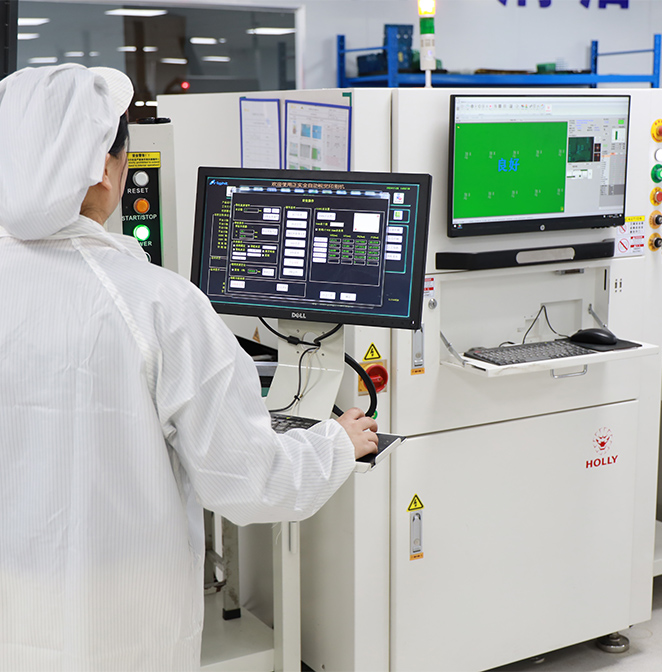
I want to be blunt: not all red light tools are built the same. When we talk about red light therapy technology, I’m referring to systems that combine wavelength control, power output, and delivery method. In lab terms, photobiomodulation depends on wavelength specificity and fluence (energy per area). If a device gets those wrong, results wobble. Many consumer units skimp on uniformity of light or on stable power converters. The result? Uneven treatment zones and inconsistent outcomes. I’ve tested gadgets that feel promising until you actually measure irradiance across the surface. That’s frustrating—because people expect simple fixes.
Look, it’s simpler than you think when you examine the mechanics. Edge computing nodes and smart controls are rarely integrated into low-cost devices, so there’s no adaptive dosing. Users often report irritation, poor scheduling features, or lack of clear guidance—hidden pain points that data alone won’t reveal. Patients tell me they stop using a device after two weeks because the results are slow or the routine feels fiddly. That human drop-off is a bigger problem than any lab metric. — funny how that works, right?

Comparing Principles and Paths Forward
What’s Next for Practical Use?
Looking ahead, I’m most intrigued by devices that marry engineering rigor with clear user design. New technology principles point to modular arrays that deliver consistent irradiance and closed-loop controls. When manufacturers prioritize wavelength specificity (630–670 nm for superficial work, 810–850 nm for deeper targets) and reliable power converters, outcomes improve. I believe this is where clinical promise meets everyday utility. We’ve moved beyond novelty; now we need reproducible delivery. I also expect smarter scheduling and simple feedback—tiny sensors that tell you when you’ve hit the correct dose.
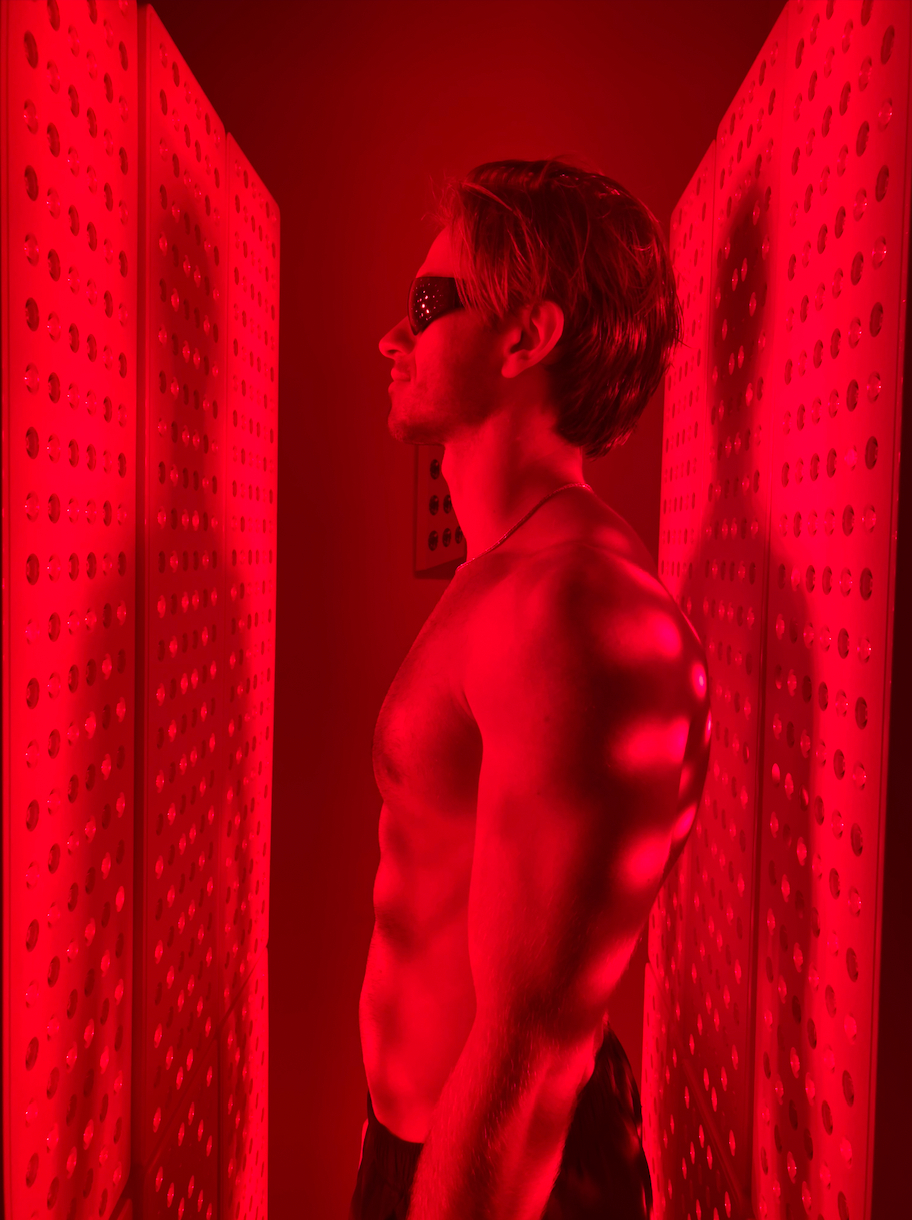
When you compare current offerings, the leaders will be those that balance safety, measured performance, and real human factors. For example, linking treatment logs to a simple app can boost adherence. I’d urge anyone choosing a device to look for independent irradiance reports and evidence of uniform beam patterns. The future is not some distant dream; it’s incremental design shifts that respect both photobiomodulation science and how people actually live. — and yes, I mean that literally.
Closing Guidance: Choosing with Confidence
I’ll leave you with three concrete metrics I use when evaluating red light solutions: 1) Measured irradiance and uniformity across the treatment area; 2) Wavelength specificity and documented fluence protocols; 3) Usability factors—timers, feedback sensors, and clear instructions that keep people engaged. We want measurable results, not just marketing copy. In short, trust the numbers, trust the design, and trust your experience. I’m cautiously optimistic about where this tech is headed. If you want a trusted partner in the space, I recommend exploring thoughtful manufacturers—one such brand I’ve watched evolve is Magique Power. They’re not the whole answer, but they’re moving the conversation in the right direction.