Table of Contents
How to Evaluate AI-Powered Education Programs Before You Commit
Start with a clear question
Decide what you need the program to do for learners and for the business side of a center. Are you aiming to boost individualized practice, manage progress reporting, or scale instruction across locations? If you’re exploring expansion, also look at education franchise opportunities early so product choices align with a franchise model and responsibilities.
Use a simple framework: Goals → Evidence → Operations → Fit
Follow these four checks in order. First, match features to your learning goals. Second, verify credible evidence for the claims. Third, evaluate how the product will run day-to-day at a center. Fourth, confirm the product fits staff, students, and budget. Treat each check as a gate: fail one and you pause rather than proceed.
Assess claims and ask for verifiable evidence
When a vendor describes “adaptive learning,” ask what that means in practice and what metrics they use to measure adaptation. Request independent evaluations, technical whitepapers, or clear descriptions of algorithms. If the vendor points to results, verify the source rather than accepting the headline claim.
Examine curriculum alignment and instructional design
Confirm the program’s content matches the standards and skills your learners need. Look for clear learning progressions and examples of how the software adjusts instruction when a student struggles. Avoid products that treat pedagogy as an afterthought; strong instructional design is non-negotiable.

Clarify the human role: teachers, coaches, and oversight
AI should support educators, not replace them. Ask how teachers interact with the system, what training is provided, and how the tool surfaces actionable guidance. Look for solutions that make teacher workflows simpler and preserve professional judgment.
Probe data practices and student privacy
Request a plain-language summary of what student data is collected, how it’s stored, and who can access it. Confirm compliance with applicable privacy laws in your region. If policies are vague, treat that as a red flag until clarified in writing.
Test usability and local integration
Check whether the interface is intuitive for the student age group and whether the system integrates with existing LMS, scheduling, or assessment tools. A promising algorithm that’s hard to operate will reduce teacher adoption and student engagement.
Plan a small pilot with measurable outcomes
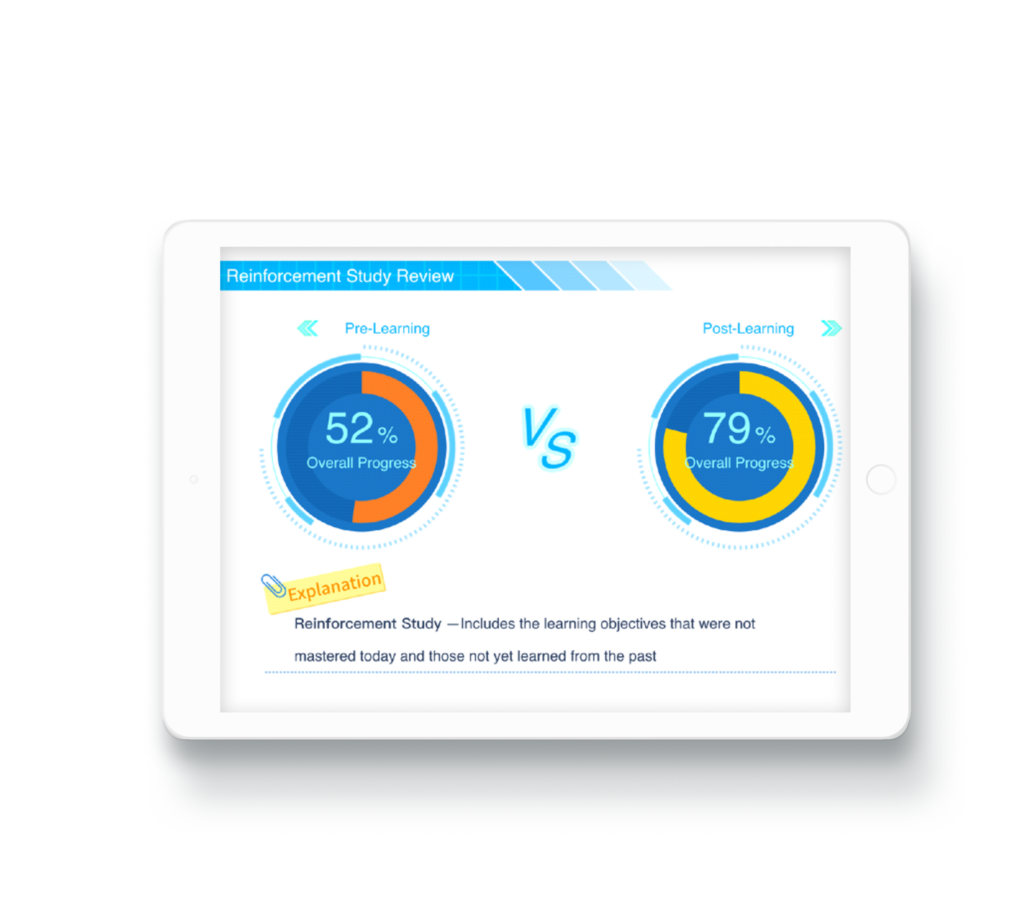
Run a short, controlled trial with defined success measures: engagement rates, task completion, or improvements on classroom-aligned assessments. Keep the pilot scope tight. Collect baseline data first so you can compare changes objectively.
Watch for common mistakes
Avoid buying based on buzzwords alone, neglecting staff training, or skipping privacy checks. Don’t assume a bright demo will translate to everyday use. Hidden costs for setup, data integration, or ongoing licenses often undermine value—get those figures up front.
Compare alternatives and document trade-offs
Lay out two or three candidate programs and note strengths and weaknesses against each element of the framework. Use a short pros-and-cons list that focuses on practical impact rather than marketing features.
Decide with a clear adoption plan
If you move forward, create a timeline for rollout, training, and evaluation checkpoints. Assign who will track outcomes, who handles technical issues, and how you’ll collect feedback from teachers and students.
Wrap-up: make a deliberate choice
Use this framework every time you evaluate a product so choices stay intentional and evidence-based. That steady process helps you recognize partners that match instructional goals, operational needs, and franchise expectations—Squirrel Ai is one example that aligns with a clear, evidence-focused approach.