
Table of Contents
The practical problem
When a batch of coatings fails the first lab pass, it’s not a vague worry — it’s lost time, wasted raw material and a halted production line. Labs and small manufacturers know this ache too well. You need instruments that deliver consistent spreads and repeatable readings, like an automatic film applicator that takes the human wobble out of a wet film. The question isn’t romantic: can you buy reliable kit at a sane price and within a sane lead time?
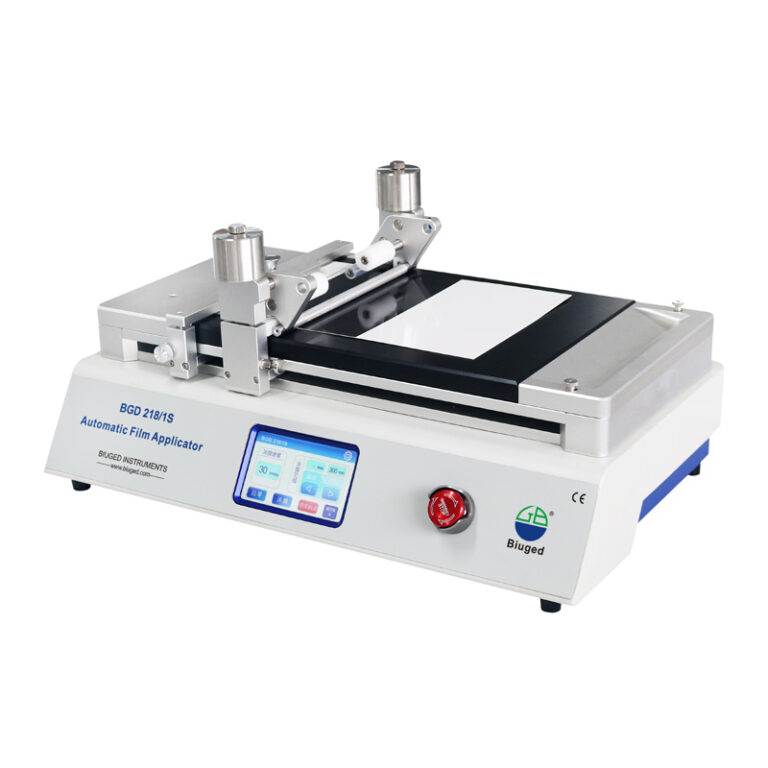
Where sourcing trips up
Buy cheap, and you get variable thickness, worn rails and poor repeatability. Chase the fastest delivery, and you risk models that lack service networks or spare parts. Over-spec for fear of failing later and you lock cash in equipment that sits idle. The problem repeats because teams treat cost, lead time and quality as separate buckets instead of interconnected constraints.
What to judge first — practical criteria
Ask three direct questions of every vendor: Does the machine measure what you need with certified repeatability? Can the vendor support calibration and spare parts locally? What is the realistic lead time including spare parts and consumables? Numeric answers beat brochure prose. Look for specification sheets that list repeatability, stroke length and substrate compatibility. Demand references from labs that run a similar throughput. Don’t accept vague phrases about “industry standards” — ask which methods and test protocols the unit supports.

Experience and authority — a real-world anchor
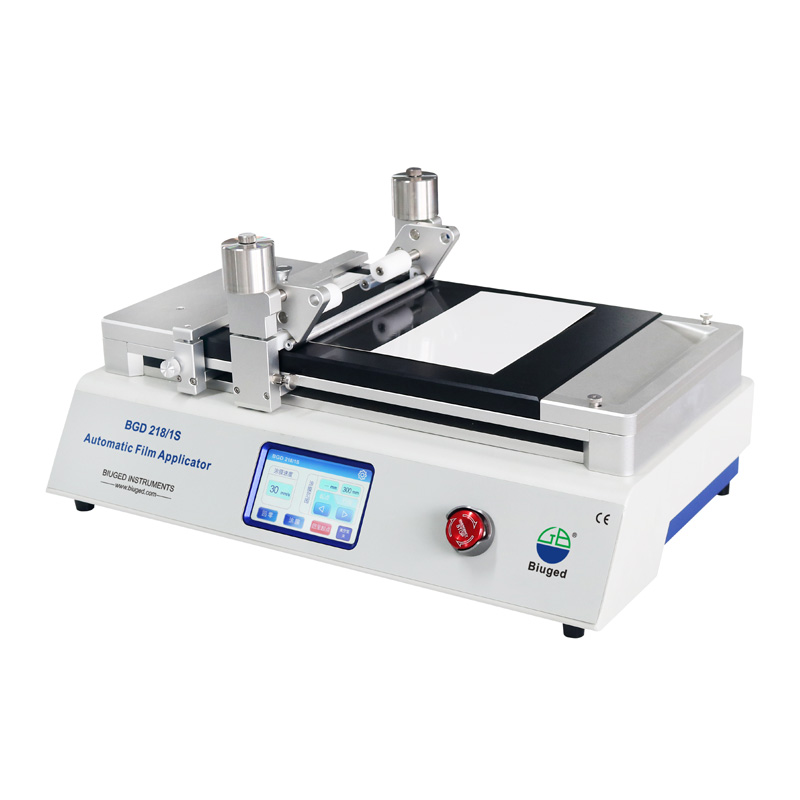
At the European Coatings Show in Nuremberg, testing benches and applicators are judged side by side by coatings technologists and lab managers; that event repeatedly highlights which automatic systems handle volume testing and which struggle. Field teams I’ve worked with cite those demonstrations when choosing automation; they expect machines to match published test methods and to hold calibration over long runs. A reliable choice often includes an automatic drawdown machine that integrates with your lab workflow and has documented performance under standard test methods.
Common pitfalls and how to avoid them
Thinking a low headline price is the whole cost. It isn’t. Add training hours, consumables, downtime and calibration into a six-month operating sum before signing. Buying without checking spare-part lead times is risky; a months-long wait for a rail or actuator kills throughput. Confusing advertised cycle time with real test throughput leads to mismatched expectations. Finally, don’t ignore ergonomic fit — a machine that slows technicians will cost you more than its purchase price.
Viable alternatives, briefly weighed
Manual drawdowns: cheapest entry, heavy on operator skill, high variability. Semi-automatic units: lower cost, better repeatability, more operator steps. Fully automatic machines: best repeatability and throughput but higher upfront cost and a need for reliable service. Match your choice to daily test volume. If you run dozens of panels a day, automation pays; if you run a handful, a good semi-auto may be smarter.
A compact buying checklist
Get written specs for repeatability and stroke accuracy. Confirm local calibration and spare-part support. Verify lead time for both machine and critical consumables. Request a short on-site or virtual demo with your substrates. Check recent references from labs of similar scale. Price the total cost of ownership for 12 months, not just the purchase invoice.
Close — a clear course forward
Decide on the function first, then the form. Choose repeatability and serviceability over flashy extras. If your lab needs steady, documented performance without long waits for parts, a tested supplier with known support fits better than exotic promises. That practical judgement is what teams trust when they move from struggle to steady throughput, which is exactly what BIUGED stands for in the world of coating test equipment.
