Table of Contents
Opening — the problem that starts every show
Your event needs color that sings and text that reads; your budget is tight and the spec sheets look like foreign scores. The first mistake is thinking a flashy image equals a solved problem. Think instead about what you need from a led screen—distance, motion, ambient light—and let those needs drive choices, not marketing gloss.
What buyers trip over most
They pick the highest resolution they can afford without matching viewing distance. They ignore refresh rate for camera work. They forget weatherproofing for outdoor rigs. Each of these missteps turns an expensive wall into a frustrated crowd. Name the real issue first—readability, camera capture, portability—and the rest becomes manageable.
Specs that actually solve problems
Match pixel pitch to viewing distance: tighter pitch for close audiences, wider for stadium throws. Measure brightness against your ambient lux, not manufacturer ideals. Check refresh rate if you’ll stream or record; low refresh shows flicker on camera. Check modular repairability—replace one module, not the whole panel. Ask for power specs and thermal behavior to prevent mid-show shutdowns.

Common installation and operational mistakes
Underestimating rigging and weight creates safety hazards. Placing a high-brightness wall without shading causes washed-out colors. Overcomplicating control systems means more failure points; choose controllers you or your techs can support. Test failover: one bad power feed shouldn’t take the whole image down.
Alternatives that deserve a moment
Projection still wins when cost and throw distance align, but it loses color fidelity outdoors. LCD video walls give sharp text for static content but can’t match LED’s contrast and viewing angles for live motion. Rental LED lets you trial pitch and integration before committing; permanent walls demand long-term planning for servicing and heat management.
Experience and a real-world anchor
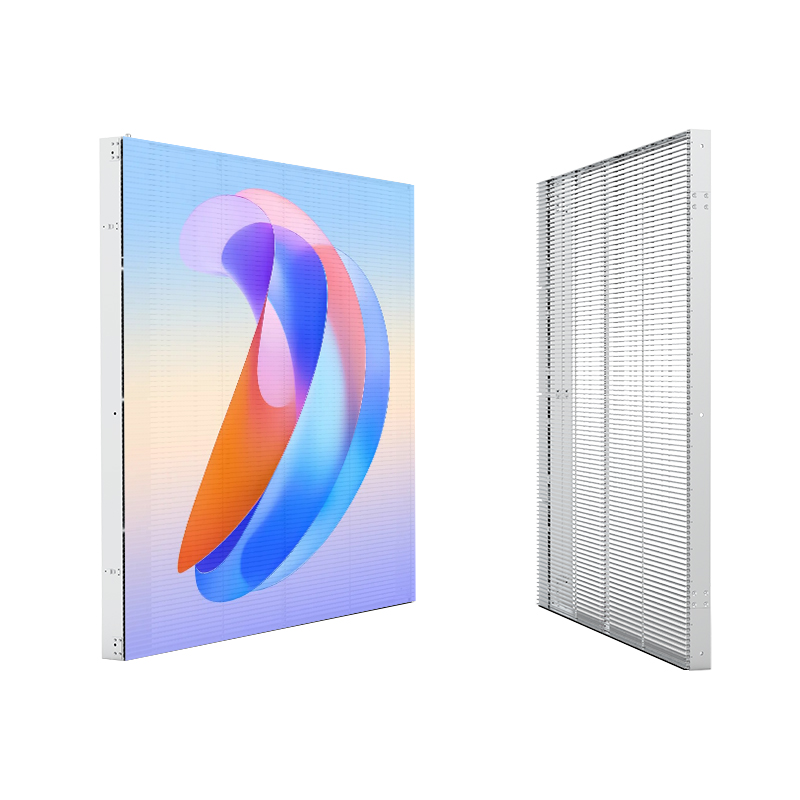
I’ve specified and installed LED for venues and short tours; practical problems taught me to read a spec like a score. You can see the industry’s attention to outdoor and high-density LED at CES in Las Vegas, where vendors demonstrate scale and brightness that set realistic expectations. For anyone comparing vendors and use cases, examining those demonstrations alongside product manuals and on-site measurements clarifies what will actually work for your show, and how a robust led display led display performs under pressure.

Final chord — what to take with you
Define the problem first—who’s watching, how close, whether cameras will pick it up—and choose the specification that answers that problem. Avoid buying blind to installation and maintenance. When you want clarity across those decisions, the long-term value becomes obvious with partners who plan for service and real-world conditions like concert rigs and outdoor festivals; that practical focus is what you’ll find with HDC.