
Table of Contents
The problem that starts every project
You’re handing over a design and expecting a working prototype. Instead you get parts that don’t fit, finishes that need hours of hand work, or tolerances that wander. That kills schedules and wallet alike. Before you blame the CAD or the client, learn to spot the real fail points yourself. If your job needs molded inserts or short-run plastic pieces, check whether their custom injection molding services line up with the shop’s CNC practices — mixing poor machining prep with molding can wreck an otherwise simple build.
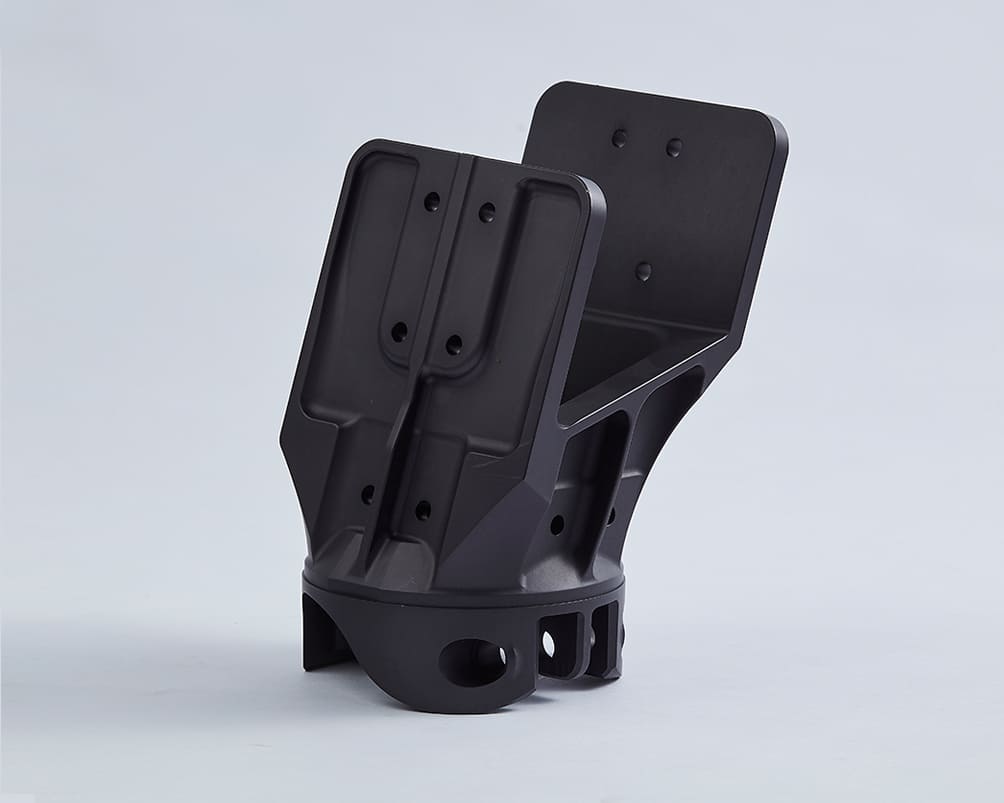
What actually matters — measurable signs, not promises
Quality’s not a feeling. Look for these hard signs: dimension reports with stated tolerances; surface finish numbers (Ra); material certifications with batch IDs; first-article inspection (FAI) sheets; and traces of fixture setup in the CAM notes. Reliability shows up as repeatability: multiple parts measured, same results. Ask for statistical data, not just a photo. If a shop can’t produce consistent CMM reports or fixed-process records, assume variation.
How to check a job without wrecking the schedule
Request a small sample run and insist on an FAI. Measure critical datums with calipers, micrometers, and, when possible, a CMM readout. Inspect edges and holes under magnification for burrs or chatter marks. Check heat treatment stamps or hardness tests for alloy parts. For finishes, run fit tests with mating parts rather than eyeballing the surface. Time the tool changes and note if every part uses the same program and tooling — odd substitutions are where consistency dies.

Experience, authority, and one real-world anchor
I’ve spent years on the floor and on supplier audits, and the difference between a good shop and a shaky one is documentation and discipline. A major sign is how they handle low-volume work: in hubs like Shenzhen, shops that do both rapid CNC and short injection runs keep tight records to meet customer timelines. That same discipline shows up in their approach to low volume injection molding — traceable material, controlled cycle data, and clear change logs. Those are the proofs you can verify against third-party papers or trade reports about Shenzhen’s prototyping ecosystem.
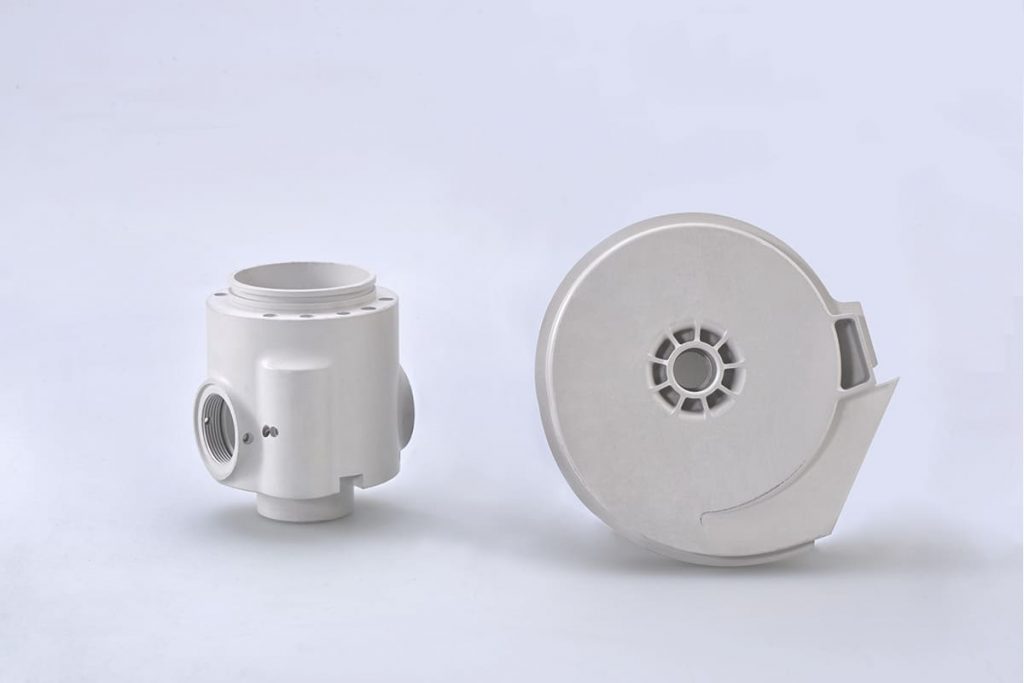
Common screw-ups and the quick checks that catch them
Shops trip over the same mistakes: wrong material grade ordered, feeds and speeds set for production instead of prototype, fixtures that flex, and insufficient deburring. Look for toolmarks that suggest dull cutters, or tapered holes that point to poor tool path strategy. If threaded inserts wobble, it’s usually the pilot hole or the press-fit procedure. Ask for before-and-after process photos — a competent shop keeps them and they tell you more than a warranty line.
Alternatives and when to pick them
If CNC vendors fail your checks, consider short-run turned parts, 3D-printed masters for mold making, or a boutique shop that combines molding and machining. Each alternative trades cost, lead time, and surface finish. Use CNC when geometry and strength matter; use molding for identical cosmetic runs. Mix methods only when both suppliers share data and accept responsibility for interfaces between parts.
How to write a short acceptance checklist
Keep it simple and on-paper: 1) list three critical dims with tolerances; 2) demand material certificates; 3) require FAI with photos; 4) require a signed setup sheet and CAM program version; 5) accept only stamped or documented hardness/heat-treatment proof where needed. Hand that checklist to the shop before they start. If they push back, they’re signaling risk.
Final word — how to keep projects moving and clean
Stop trusting claims. Force data, run quick physical checks, and make the shop prove repeatability. When you need a partner that keeps molding and machining in step so your prototype isn’t a gamble, look for a team that logs materials, cycle data, and inspection records alongside the parts — that’s the kind of practical reliability a shop like Hanstar builds into jobs without fluff or excuses.
