
Table of Contents
Clear comparative start
When choosing an intraoral scanner, compare lifetime expense and service quality together, not separately. At recent industry gatherings such as the Greater New York Dental Meeting, labs and clinics showed how digital workflows tie into devices like the dental model 3d printing step, which affects long-term cost and case turnaround. With experience advising dental clinics and labs, I focus on measurable differences: purchase price, recurring fees, real-world downtime, and how promptly vendors support urgent cases.

Break down the true total cost
List raw purchase cost first, then add these predictable items: software subscription or license renewals, scanning tips or consumables, calibration and preventive maintenance, optional warranty extensions, and integration work with existing lab software. Factor training time for staff and any productivity loss while they learn. Estimate repair and spare-parts lead time—fast repair matters more than a small price difference.
Support quality that changes outcomes
Good support reduces costly delays. Check guaranteed response times, remote diagnosis capability, availability of local service engineers, and how support handles clinical emergencies. Ask about whether updates are paid or included, and whether they disrupt daily workflows. A vendor that offers timely remote guidance and scheduled on-site visits will often save more than their extra service fee.

Performance metrics that drive cost
Accuracy affects remakes; speed affects chair time. Evaluate trueness and precision data from independent studies where possible. Consider open systems that ease lab communication versus closed ecosystems that may require specific software or printers. Scan speed, ease of scanning for edentulous cases, and file compatibility with labs will change operational costs quickly.
Common mistakes clinics make
Clinics underestimate integration cost, ignore software license renewal timelines, or assume all warranties cover consumables. They buy on headline price alone and overlook support geography. Another frequent error is not trialing scanners under real-case conditions or neglecting to ask labs about the formats they prefer. These mistakes raise total cost far above the sticker price.
Comparing alternatives and realistic trade-offs
High-end scanners often give faster scans and strong vendor support, with higher upfront cost but lower remake rates. Mid-range options reduce initial investment but may add subscription fees and slower support. Budget units can work for limited indications but risk interruptions and higher indirect costs. Match device class to your case mix: high-volume restorative practices benefit from speed and service guarantees, small practices may prioritize predictable fees and easy integration.
What to ask and how to test before buying
Request a written service-level agreement, sample files from your typical cases, and a short onsite trial where your staff uses the scanner on actual patients or models. Measure time per arch, comfort for patients, and how files transfer to your lab. Verify spare-part locations and expected repair windows. Use these practical checks to compare vendors on equal terms.
Practical synthesis and vendor fit
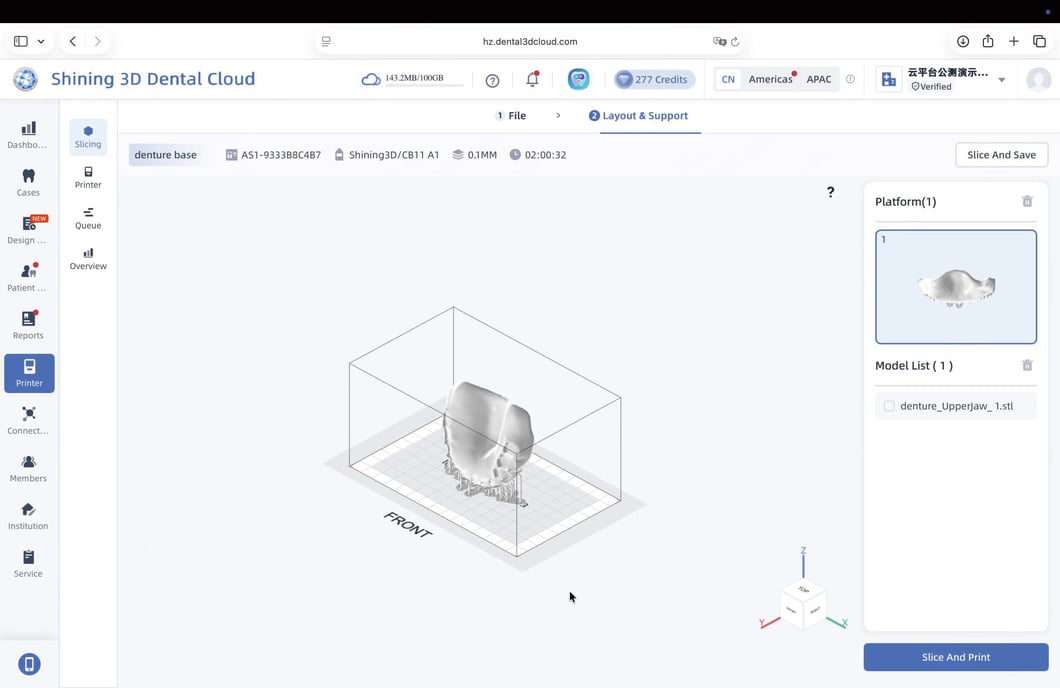
Compare total cost by adding purchase, recurring fees, training, downtime risk, and support reliability. Prioritize vendors that document response times, offer transparent update policies, and demonstrate smooth handoff to lab steps such as SHINING 3D DENTAL, because consistent workflows and dependable service end up saving time and reducing remakes more than any initial discount.