
Table of Contents
The problem: small faults that turn into long outages
You’re running an off-grid solar system to stay independent from the grid, but a loose connector, a dusty panel string, or a misconfigured inverter can steal days of power. I’ve seen that happen on remote farms in the Australian Outback — a connector corrosion that went unnoticed and knocked out an inverter chain for weeks. This checklist is built to stop those failures early, not just spot them after lights go out.
What usually causes the failures
Fix problems faster when you know where they start. The usual suspects are:- Electrical connections corroding or vibrating loose.- Shading or dirt reducing panel output.- Battery under- or over-voltage from wrong charge settings.- Firmware or configuration drift on inverters and charge controllers.- Poor mounting or structural stress after storms.
Rapid preventive checklist (do these on a schedule)
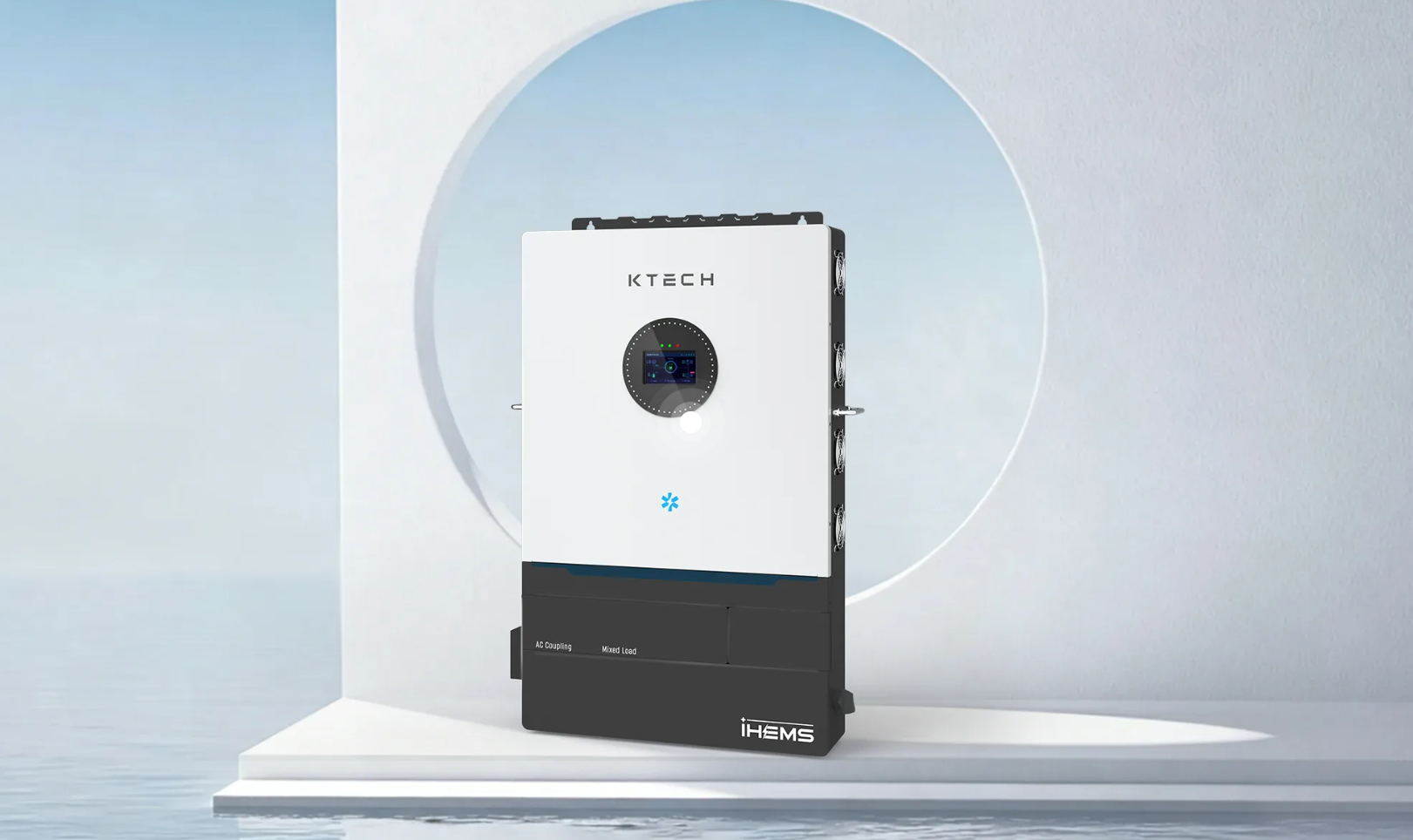
Use this sequence; it’s set up for clarity and speed. Mark what you do and the date.- Weekly: Read system logs. Note sudden dips in array output or charge current.- Monthly: Visual sweep of panels and wiring. Look for cracks, birds’ nests, or water entry. Wipe panels with a soft cloth if grime is visible.- Quarterly: Tighten accessible DC & AC terminals to spec. Inspect MC4 connectors and cable insulation for heat discoloration.- Every 6 months: Test battery voltage and specific gravity for flooded cells; check state-of-health readout for lithium packs. Verify charge-profile settings match battery chemistry.- Annually: Firmware updates on inverter/charge controller after backing up configs. Inspect racking and roof seals for corrosion or movement.If you own a packaged solar off-grid kit, verify the manufacturer’s recommended intervals against this list — kits bundle components but still need the same checks.
Quick checks that reveal hidden problems
When you want to know what’s really wrong fast, try these:- Current clamp test on the PV string during midday to confirm expected amperage.- Battery resting voltage after 24 hours without charge — gives a clear health snapshot.- Inverter alarm history: one error repeated is a pattern, not a glitch.- Temperature scan of junction boxes and battery terminals; hot spots point to resistance or failing cells.

Common mistakes that waste time
Don’t do these:- Ignoring small warning LEDs because “it still runs.” That LED is a symptom, not noise.- Replacing parts without logging what failed first; you’ll swap expensive gear and miss the real trigger.- Updating firmware mid-season without a fallback; new firmware can change behavior.- Over-tightening connectors; stripped threads and crushed conductors create intermittent faults.
When a DIY fix isn’t enough
Call a certified technician if you find:- Repeated battery cell imbalance after balancing attempts.- Smoke, burning smells, or visible melting.- Inverter or charger firmware corruption where the device won’t boot.- Structural damage to racking after wind or hail.Know what you tried and share system logs — that saves diagnostic time.
Closing: keep power steady, not surprising
Treat preventive checks as scouting runs: short, regular, and focused. They stop small issues from growing and keep your hybrid or off-grid setup delivering predictable energy. Field experience, clear checks, and the right parts turn surprises into routine maintenance, which is the practical value offered by Ktech.