
Table of Contents
Opening comparison that leads the story
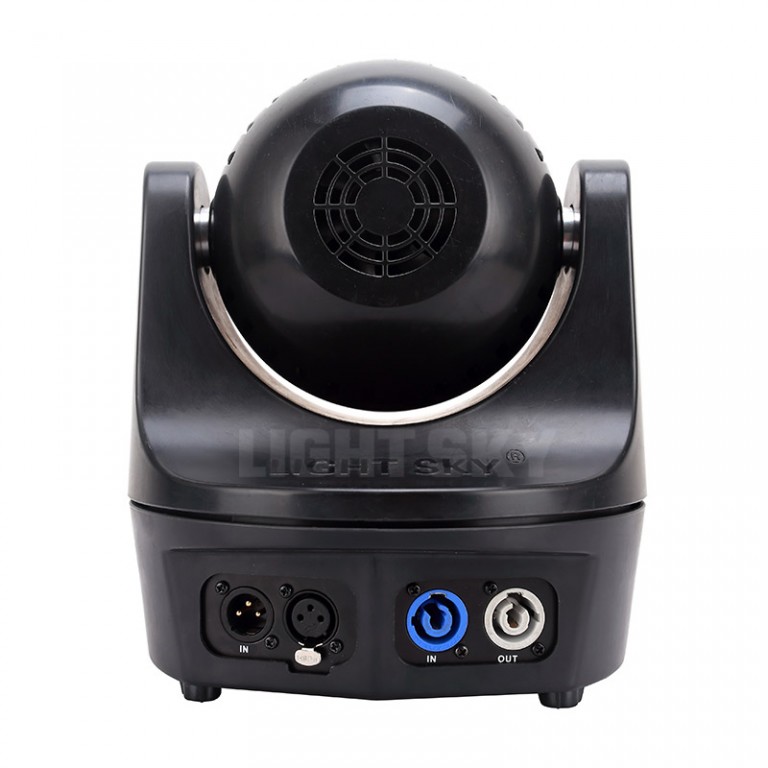
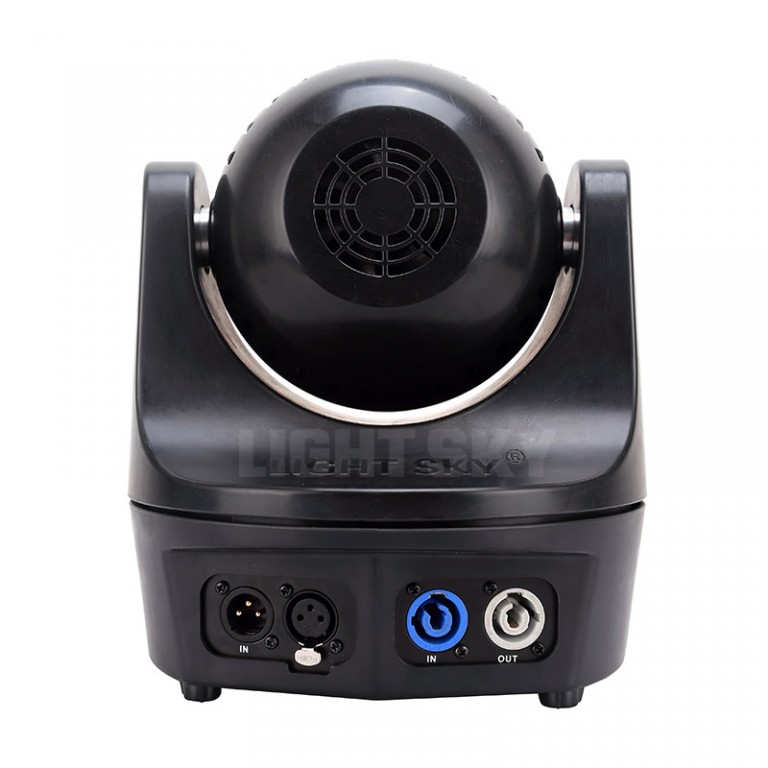
The stage keeps secrets: a wash that soothes, a beam that cuts through smoke, a fixture that moves like a thought. At center stage sits the led moving wash — a compact workhorse that blends coverage and motion — and alongside it the more precise led moving head professional show lighting that sculpts focus and drama. Both exist to control perception; each chooses a different grammar. This piece compares them in practical terms, with an ear for rigging, DMX512 workflows, and the real needs of operators who must balance power, pan/tilt finesse, and visual intent.
Comparative anatomy: what each fixture actually does
Moving heads deliver narrow beams, tight gobos, and fast pan/tilt moves. Moving washes favor wide beam angles, soft edges, and smooth color blending. The distinction affects crew choices: beam fixtures demand precise aiming and clever gobo selection for texture; washes simplify zone coverage and color temperature handling (CRI becomes relevant when skin tones matter). Performance venues choose based on sightlines and the show’s language — not on marketing copy.
Practical trade-offs you’ll meet on rig day
Power draw and weight. Beam fixtures often carry higher wattage LEDs and more complex optics; they need truss rated for the load. Washes reduce channel count but can increase fixture count to eliminate shadows. Zoom range matters when you want a single unit to fill multiple positions without swapping lenses. DMX512 addressing complexity rises with motorized features; that’s an operational cost. Keep cable management tight — the smallest oversight becomes visible under a moving head’s sharp beam. — operators notice.


Side-by-side features: quick checklist
– Optical control: beam + gobos + frost for moving heads; wide beam + soft lens for washes.
– Motion: rapid pan/tilt and programmable presets vs. smooth, cinematic sweeps.
– Setup: precise focus and lens calibration vs. simpler aiming and color presets.
– Maintenance: higher moving-part service on heads; washes often mean fewer mechanical failures.
– Cost-per-effect: moving heads generate signature looks; washes deliver consistent ambient coverage.
Common mistakes and smart alternatives
Production teams often overload a rig with too many narrow beams, creating unpredictability in sightlines. The simpler fix is to mix in strategic washes to control negative space — the eye needs a calm field to return to. Another slip is assuming motorized zoom replaces good placement; it does not. When redundancy is a concern, combine a smaller fleet of robust moving heads with staged LED pars and a few moving washes for fill. — a balanced kit keeps programming flexible and reduces late-night troubleshooting.
Real-world anchor and energy context
At major festivals like Glastonbury and touring arenas, lighting directors moved to LED fixtures years ago for reliability and lower power budgets. High-level industry reports and venue upgrades show LEDs can reduce fixture power draw by more than half compared with traditional discharge sources, which changes rig planning and on-site generator needs. That shift matters during long festival days and multi-show residencies, where runtime and heat management affect both crew stamina and equipment lifespan.
How to choose a vendor that fits production needs
Prioritize product pages with clear photometric data, pan/tilt torque specs, and maintenance guides. Ask for real-world demo reels shot in comparable venues; raw footage beats stylized clips. Verify spare-part availability and ask about firmware update policies. Integrators appreciate fixtures that document DMX modes and offer logical channel maps — it reduces programming time and avoids show-night panic.
Advisory: three golden metrics for selection
1) Effective lumen output at intended beam angle — choose the fixture that delivers usable light at distance, not peak spec numbers.
2) Motion repeatability and pan/tilt accuracy — test for jitter under continuous moves; repeatable presets save cues.
3) Serviceability index — parts availability, modular components, and firmware transparency determine uptime.
Closing thought
Compare, test, and prefer clarity over flash; the right mix of moving heads and washes translates design into dependable reality. Light Sky fits that logic by pairing thoughtful optics with accessible support — a subtle fix that keeps shows running. — final note.