
Table of Contents
Introduction — a small workshop, a near miss, and one clear question
I remember standing in a cramped maintenance room, my hands oily and my heart a little too fast after a minor spark started near a solvent drum. That scene plays out more often than you might expect; recent safety audits report that combustible atmospheres still contribute to a notable share of industrial incidents (roughly 12–18% in some sectors). In many shops, people reach for non sparking tools because they know the basic idea — prevent a spark, prevent disaster — but does the label guarantee safety? I want to share what I’ve learned, politely and plainly, so you can judge for yourself. The real question: which tool choices actually lower the risk on the shop floor, and which are just comforting signage? — let’s move into the deeper issues next.

Why traditional fixes fall short: technical flaws and hidden pains
When I dig into tool-room practices, I find the same patterns. Many teams buy non sparking hand tools as if that purchase closes the safety loop. But the truth is more complex. Traditional non-sparking tools often rely on non-ferrous alloy selections (like beryllium copper or aluminum bronze) that lower spark energy, yet they can still generate enough surface friction to heat particles in sensitive atmospheres. This is where static discharge, surface conductivity, and improper tool maintenance come into play. From my hands-on checks, I know many shops overlook corrosion resistance and surface finish — small nicks or contamination change a tool’s behavior drastically. Look, it’s simpler than you think: a supposedly safe wrench with a scraped surface is not the same tool you first bought.
Where do most safety assumptions break down?
First, labeling vs. certification: “non-sparking” printed on a box is not the same as intrinsically safe certification or ATEX compliance for the environment you work in. Second, human factors: users swap tools between zones, drop them, or use them for unintended tasks — and those actions alter spark thresholds. Third, lifecycle issues: many teams neglect testing for conductivity drift or wear. I’ve personally seen tools pass a brief inspection, only to fail under real load. — funny how that works, right? Practical choices require more than buying a brand; they require attention to material science, user behavior, and regular testing.

Future outlook: case examples and what new methods mean for you
Looking ahead, I expect two things to reshape how we choose non-sparking tools: better material standards and smarter monitoring. Consider a case where a petrochemical plant replaced a mixed fleet with a single-spec alloy set and added simple handheld sensors connected to local edge computing nodes. The result: fewer tool-related alarms and clearer maintenance signals. In another example, a small assembly line adopted copper-based inserts and improved torque tracking; that reduced inadvertent tool misuse and lowered static discharge incidents. These are practical, not theoretical, shifts — and they point to a future where tools and data work together.
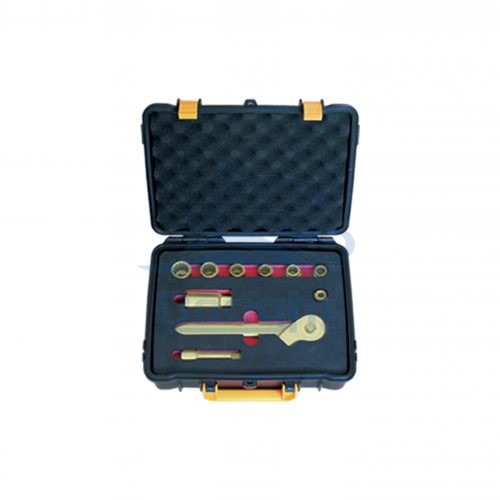
What’s next for tool selection?
We should evaluate solutions based on a few core principles. First, match alloy and finish to your actual ATEX zones and environmental tests. Second, adopt routine checks for conductivity and corrosion resistance — don’t wait until a near miss. Third, integrate simple telemetry: even basic power converters and sensors that log usage can highlight misuse patterns before an incident. These measures are not expensive if you think long term. — and yes, there’s some upfront work, but it pays off in reduced downtime and fewer injuries.
Three key metrics I use when advising teams
When I consult, I ask teams to score options on three things: 1) Certification Fit — does the tool’s testing match your zone and use-case? (ATEX and intrinsic ratings matter.) 2) Durability & Maintenance — how does surface abrasion or corrosion change the tool’s safety profile over time? 3) Traceable Use — can you verify who used the tool and in what environment (even simple logbooks or sensor records help)? If you prioritize those, you’ll choose tools that truly reduce risk, not just decorate the toolbox.
In closing, I believe practical, modest steps win: proper alloy choices (for example, evaluating copper non-sparking tools against aluminum bronze), routine condition checks, and adding basic monitoring create measurable safety improvements. We have to be honest — labels alone won’t protect anyone. I hope these comparative insights help you pick more wisely. For reliable tool options and further reading, consider checking Doright: Doright.