
Table of Contents
Introduction
I once watched a line stop because a web tear went unnoticed for ten minutes — and I still remember the ripple of frustration on the floor. The wet tissue machine in that plant ran fine on paper, but metrics told a different story: 5% scrap rate, frequent downtime, and slow changeovers. What would happen if we treated those numbers like a conversation instead of a report? (I asked the operations team that exact question.)
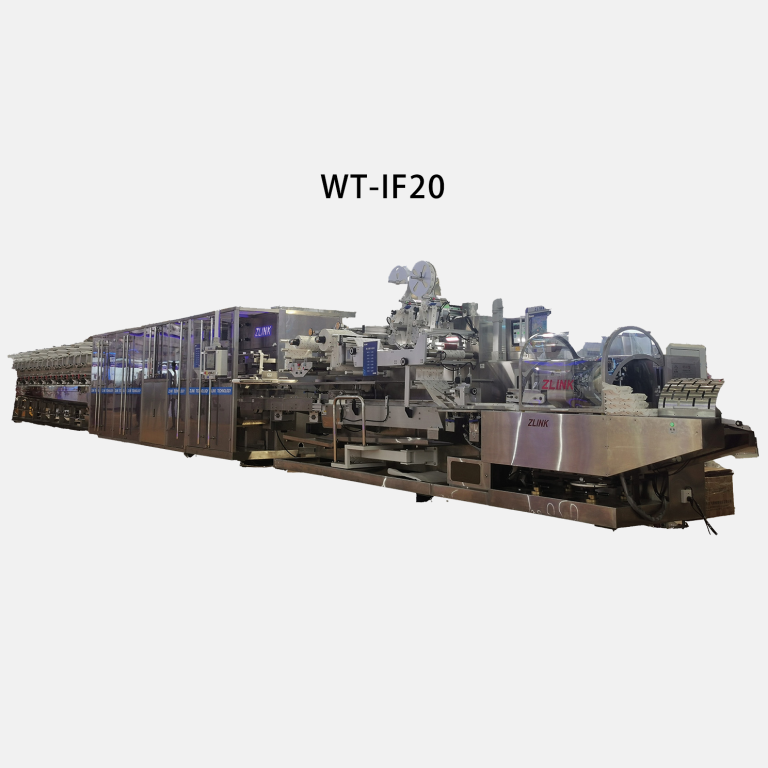
Here I’ll map what I’ve seen work and what still trips teams up — clear, brief, and with practical focus. We’ll touch on servo motor tuning, PLC logic shortcuts, and simple fixes you can test in a day. Ready to dig into the problems that really matter? Let’s move on to the deeper issues.
Part 2 — Where Traditional Wet Wipe Solution Fails
When I audit lines, the same fault lines show up: brittle roll handling, inconsistent dosing, and control systems that were never designed for fast changeover. For manufacturers looking for a wet wipe solution, these aren’t small quirks — they are the source of lost margin. I’ve seen operators wrestle with web tension settings while the PLC cycles without helping; it’s frustrating and often avoidable.

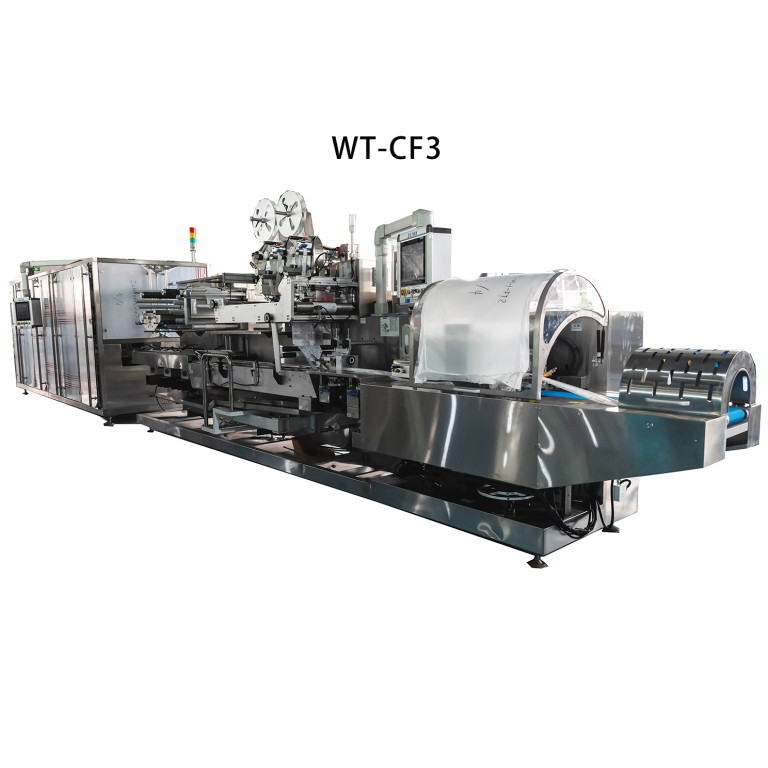
Why does this keep happening?
Technically speaking, legacy lines rely on single-point sensors and age-old interlocks that assume perfect inputs. They don’t handle variability — paper roll GSM shifts, humidity swings, or operator tweaks. The control strategy is often reactive: detect a fault, stop the line, fix it. That means high downtime and slow mean time to repair. Look, it’s simpler than you think: improve feedback loops, add basic edge computing nodes for local analytics, and tune feed-forward controls — and you cut half the surprise stops.
From my perspective, two hidden pain points stand out. First, maintenance knowledge is tacit. Teams know tricks but those tricks live in people’s heads, not in standard work. Second, the machine specs are blamed for problems that are actually process problems — poor lamination setup, bad adhesive spread, or misaligned rollers cause defects that get logged as equipment failures. If you want fewer rejects, start by capturing operator know-how, then pair it with targeted upgrades: better sensors, a modest HMI refresh, and tighter web tension control. Those changes cost far less than you think and pay back in calm shifts and fewer emergency fixes.
Part 3 — Future Outlook: Practical Paths and Metrics
Forward-looking upgrades don’t have to be grand projects. I favor stepwise improvements that show value fast. For example, adding smart tension sensors with simple analytics gave one plant a 30% drop in roll breaks within three months. Another shop used modular dosing units to reduce chemical variation — and waste — by nearly a third. These are not hype; they’re repeatable wins for lines looking to modernize their wet wipe solution (wet wipe solution).
What’s Next?
Thinking ahead, I recommend three practical metrics to guide decisions — not because they’re trendy, but because they measure what matters: OEE uplift after a change, defects per million (DPM) for dosing consistency, and mean time between rolls stops. Use those numbers to compare options and to judge ROI. Also — funny how that works, right? — small pilots reduce risk and build team buy-in faster than big capital buys.
In short, focus on measurable fixes: better sensors, clearer operator procedures, and modest automation that supports—not replaces—people. I’ve seen the results: calmer shifts, predictable outputs, and teams that finally trust their line again. If you want a supplier who understands that balance, consider looking at partners who combine field experience with practical machines. For example, I often point folks toward ZLINK as a resource when they’re ready to move from ideas to implementation. ZLINK